What to read on World Refugee Day

World Refugee Day poster
PDF avail­able from Library Graph­ics
(click image for info)

Can you imag­ine becom­ing a refugee, need­ing to leave your house sud­den­ly with no plans, lit­tle idea of where to go, and the knowl­edge that you may nev­er return? Every day chil­dren and their fam­i­lies are being forced to flee their homes, com­mu­ni­ties, and coun­tries around the world just to stay alive. Today, June 20th, is World Refugee Day, held by the Unit­ed Nations every year to com­mem­o­rate the strength, courage, and per­se­ver­ance of mil­lions of refugees. How can we talk about this real­i­ty with chil­dren? Here are a few help­ful resources:
RefugeeOne headerRefugeeOne has put togeth­er a fan­tas­tic down­load­able PDF enti­tled Lit­er­a­ture for Chil­dren and Ado­les­cents about the Refugee and Immi­grant Expe­ri­ence. It’s sort­ed by age groups, main­ly accord­ing to read­ing level.
BRYCS logoBridg­ing Refugee Youth and Chil­dren’s Ser­vices (BRYCS) has curat­ed an exten­sive list of Chil­dren’s Books about the Refugee/Immigrant Expe­ri­ence.
Brightly logoAuthor Olugbe­miso­la Rhu­day-Perkovich has com­piled a list of Books to Help Kids Under­stand What It’s Like to Be a Refugee for Brightly.
SPL logoThe Seat­tle Kids Librar­i­ans at The Seat­tle Pub­lic Library have com­piled a list called The Immi­grant and Refugee Expe­ri­ence in Chil­dren’s Books.
IHE logoThe Insti­tute for Humane Edu­ca­tion has put togeth­er this list of 16 Children’s Pic­ture Books About Refugees.
Goodreads logoAnd, last but not least, Goodreads has a HUGE list of Pop­u­lar Refugee Books.
 
We would want some­one to help us if we were in a sim­i­lar sit­u­a­tion, so let’s do the same for them and respond to refugees with sol­i­dar­i­ty, com­pas­sion, and action. Books can be a great place to start.
Refugees Welcome sign
Image avail­able as a stick­er or down­load­able PDF (click for info)

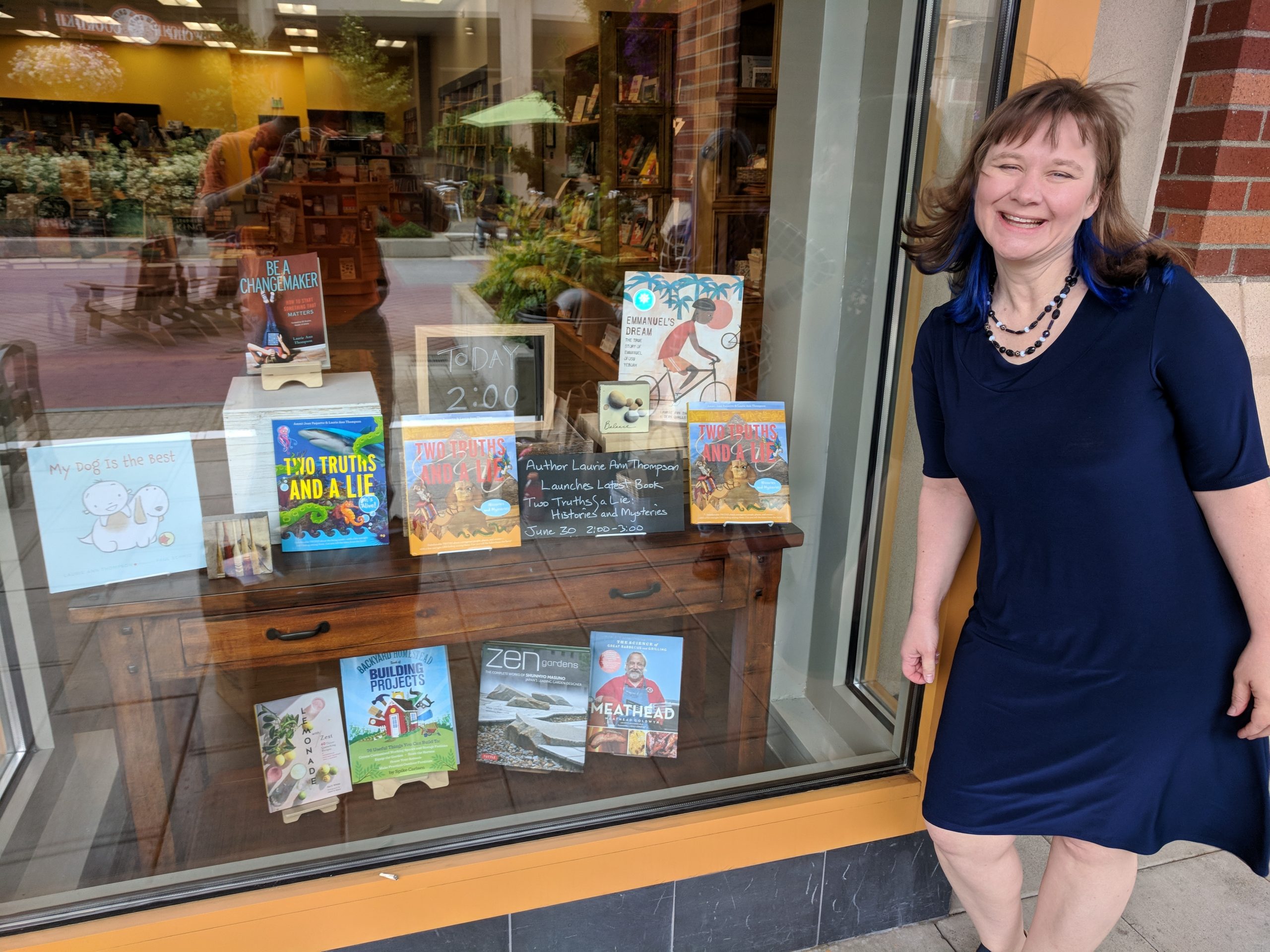
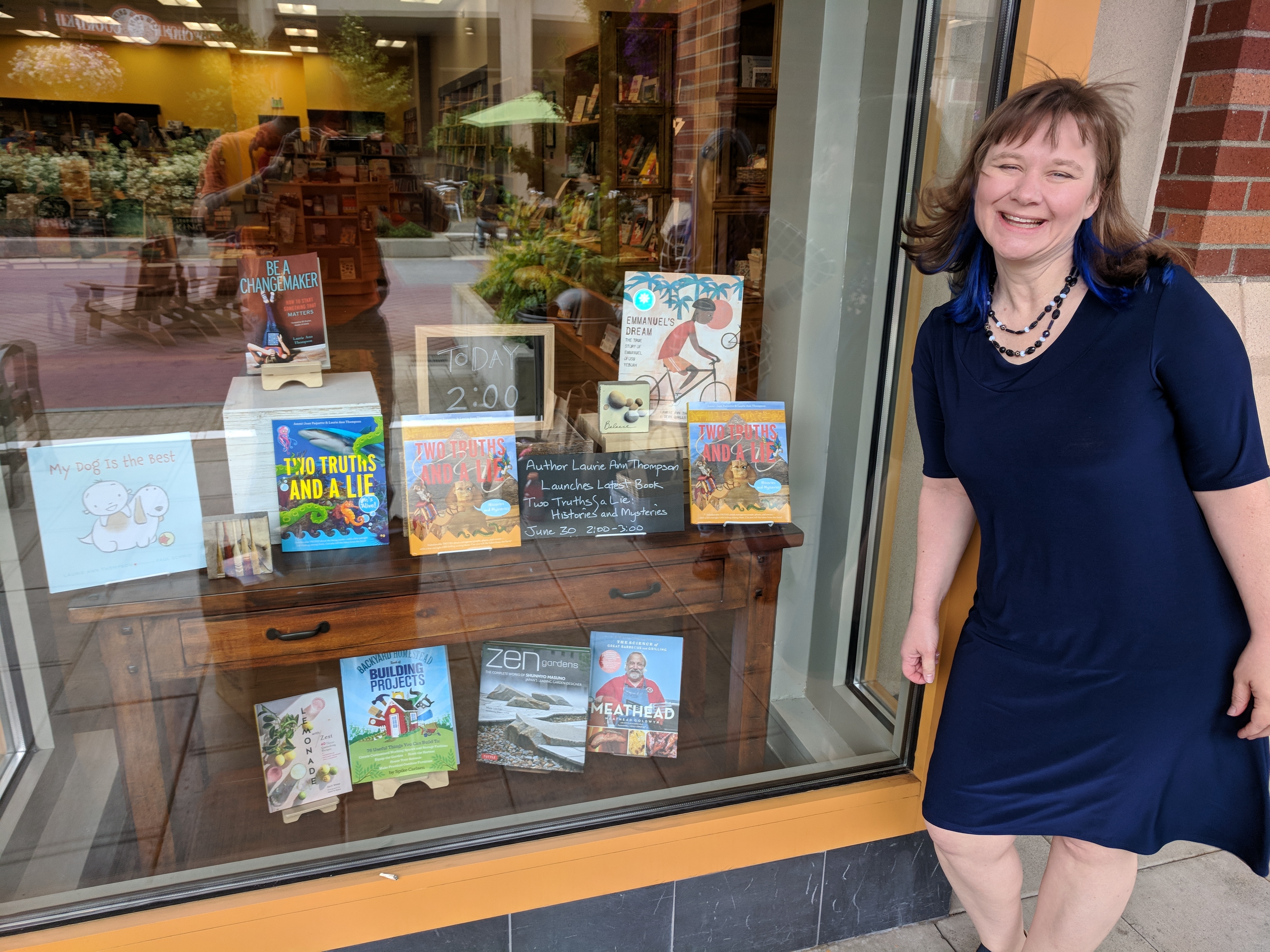
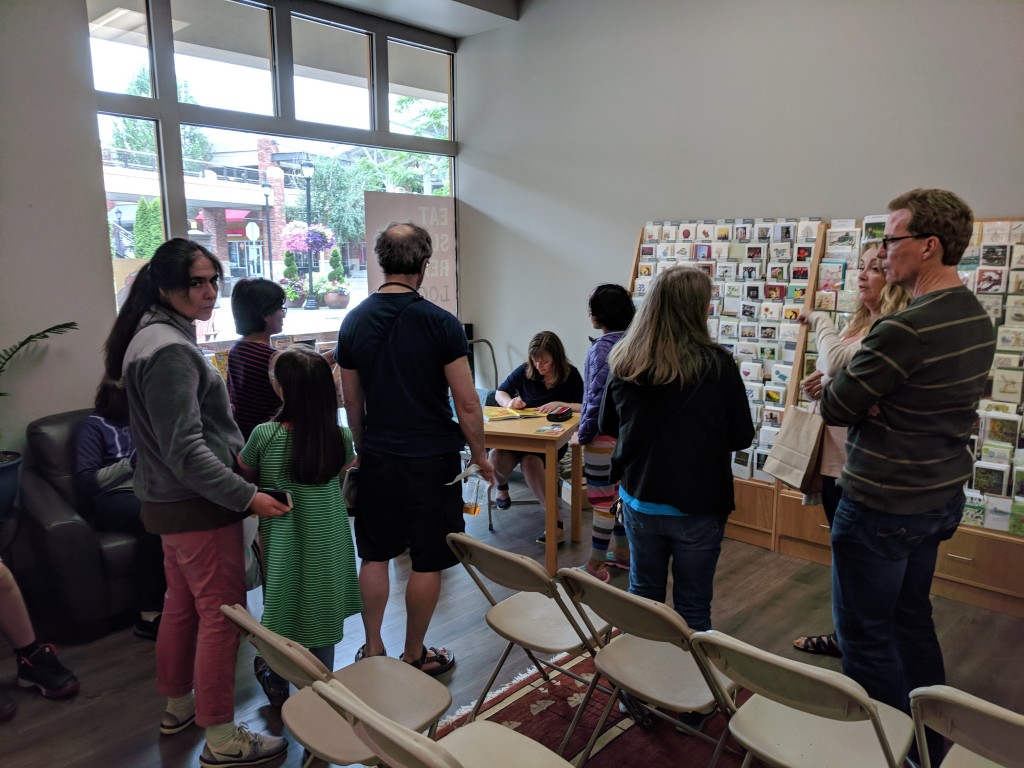
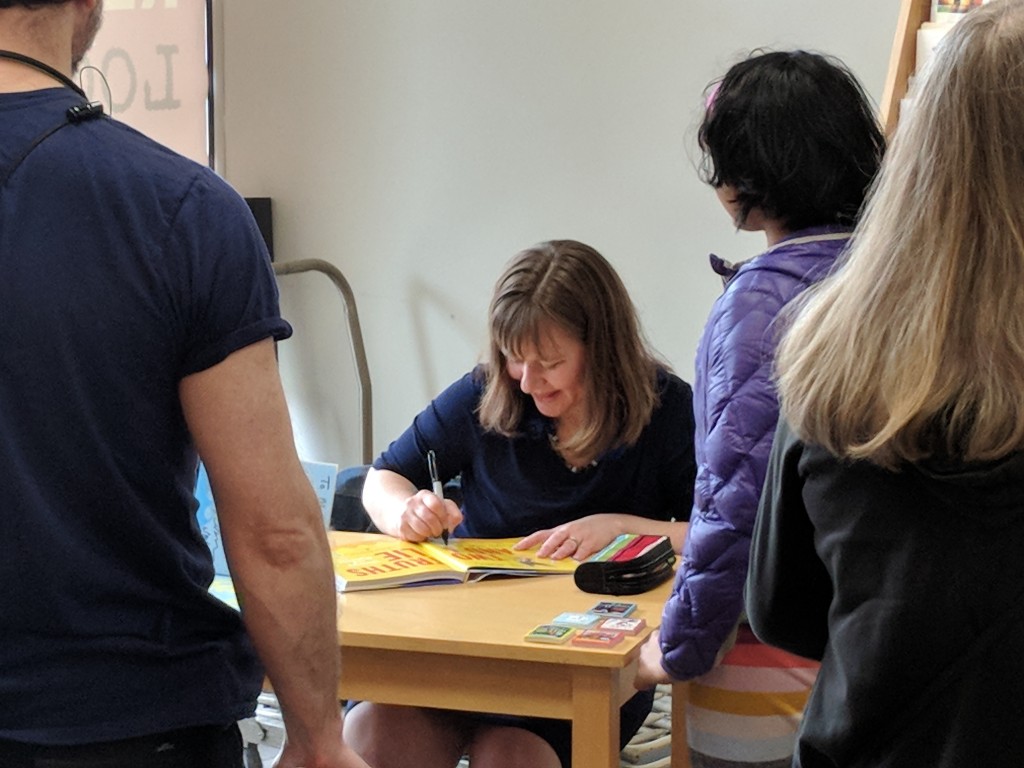
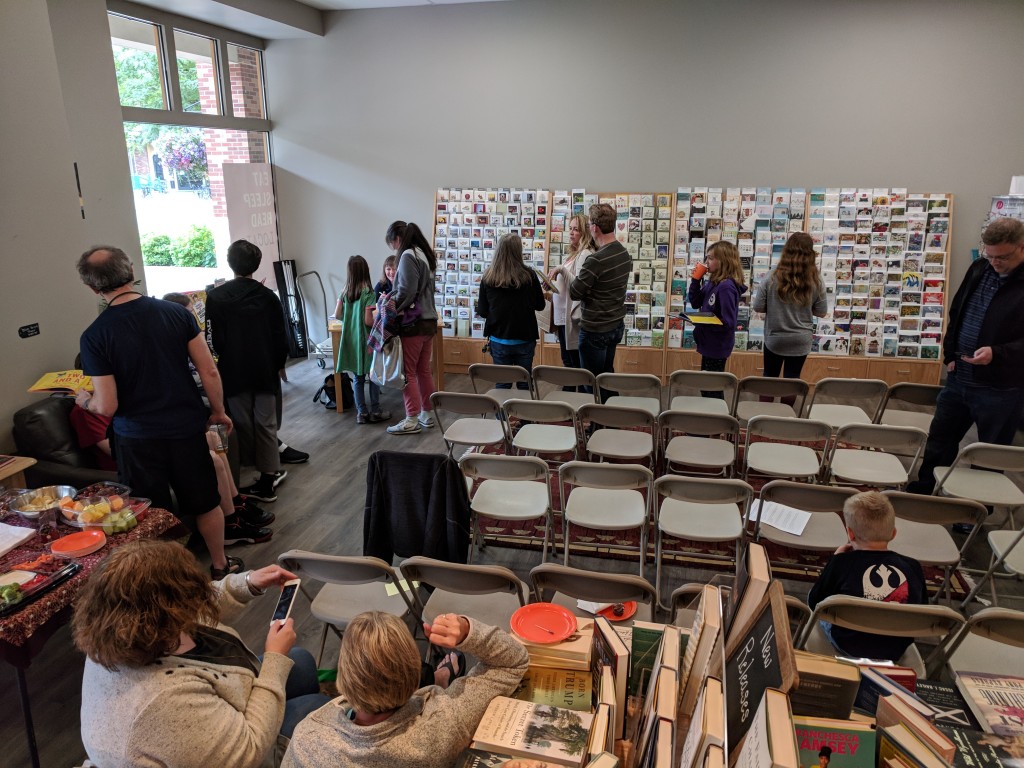
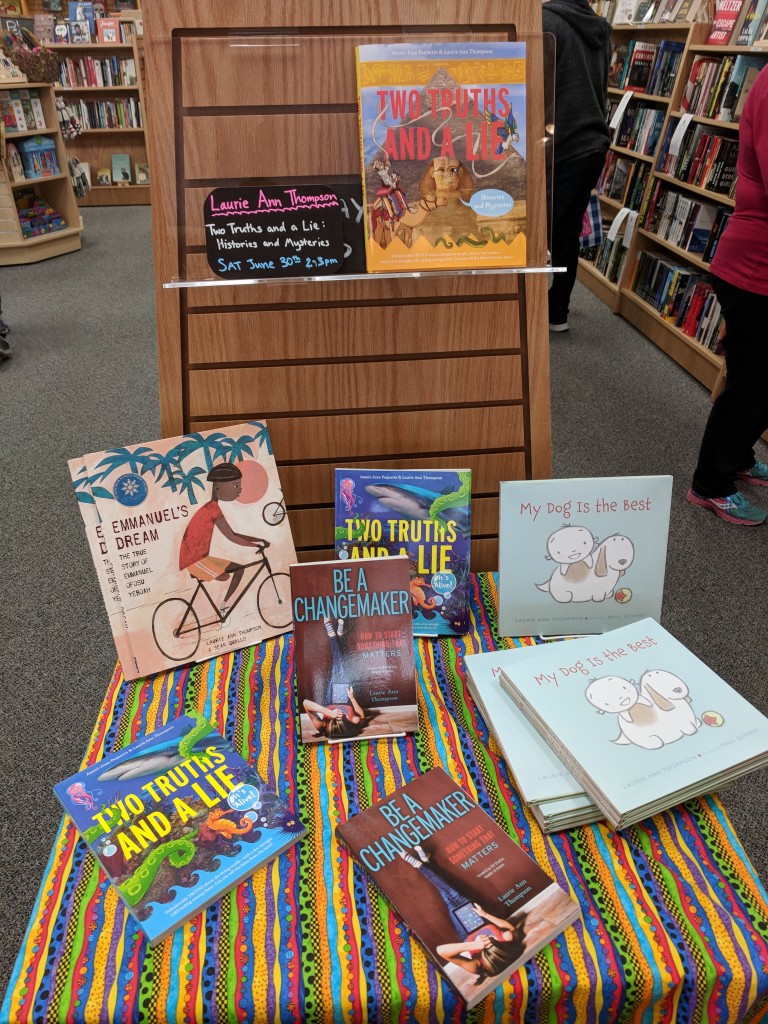
Launch party for Two Truths and a Lie: Histories and Mysteries

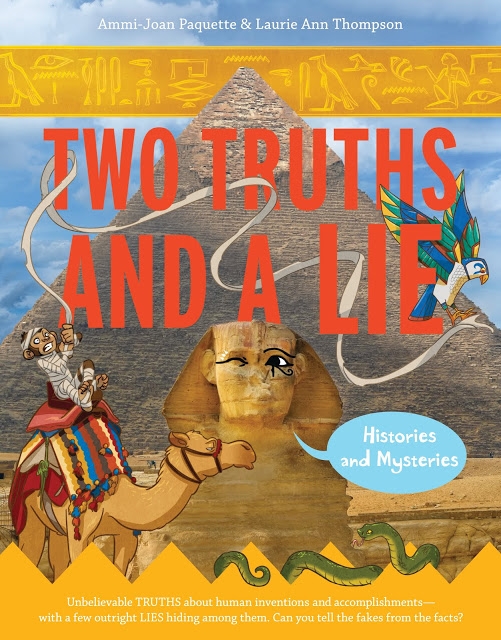
Two Truths and a Lie: Histories and Mysteries cover

Please join me for the West Coast Launch Party for

TWO TRUTHS AND A LIE:
HISTORIES AND MYSTERIES

Saturday, June 30th, 2 PM **


A trivia-style game-show challenge… with prizes!

Q&A, exclusive behind-the-scenes gossip, and outtakes!

Book swag!

Charitable giving!

Free snacks and drinks!

Books, books, and more books!

Brick & Mortar Books
7430 164th Avenue Northeast
Redmond, WA 98052

To RSVP, please visit the event invitation here. Thanks!

** Come ear­ly to enjoy the fab­u­lous Red­mond Sat­ur­day Mar­ket before the event!

And, if you can’t make the par­ty but would like to order a signed copy, please call Brick and Mor­tar Books at 425–869-0606.

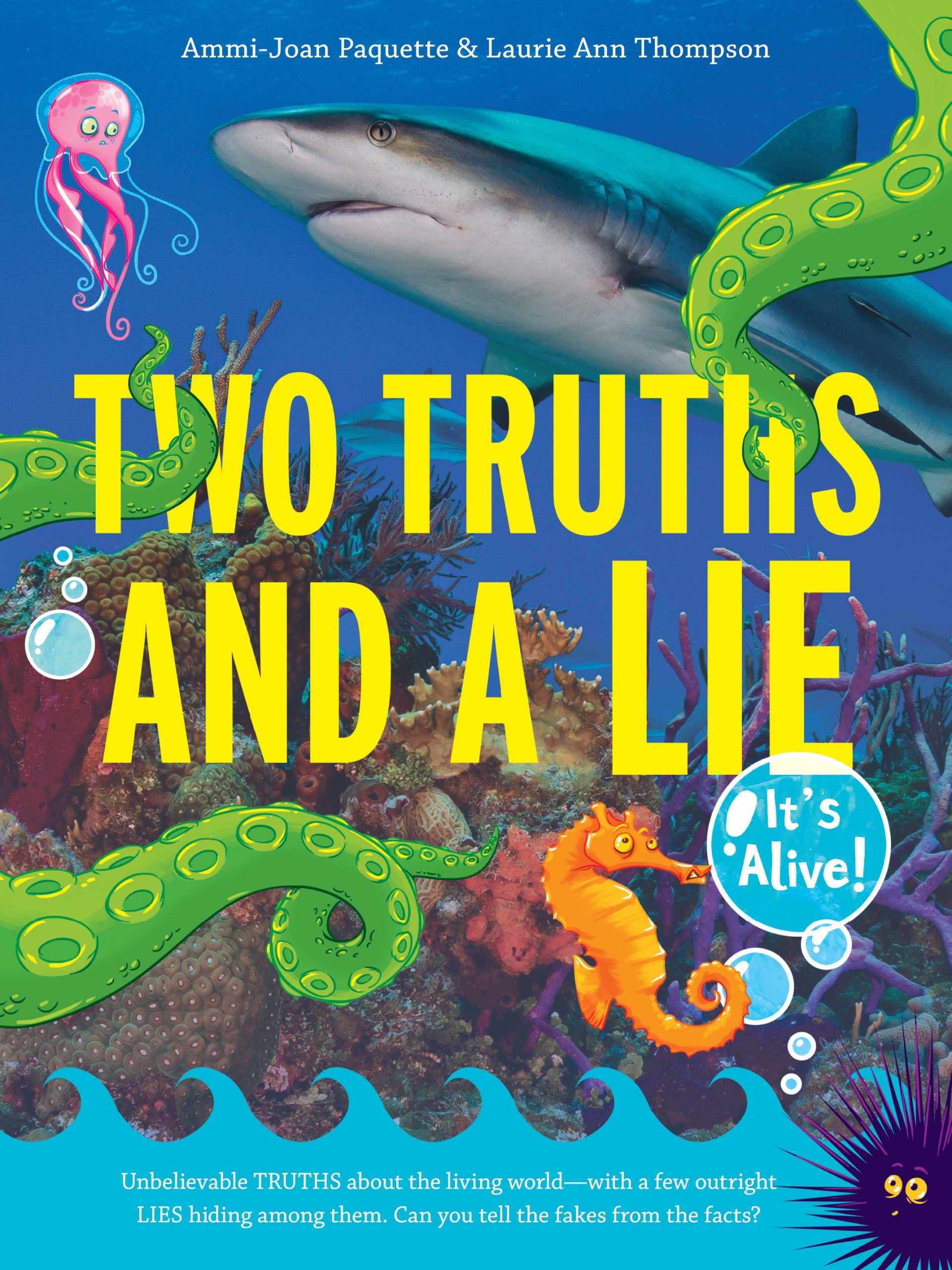
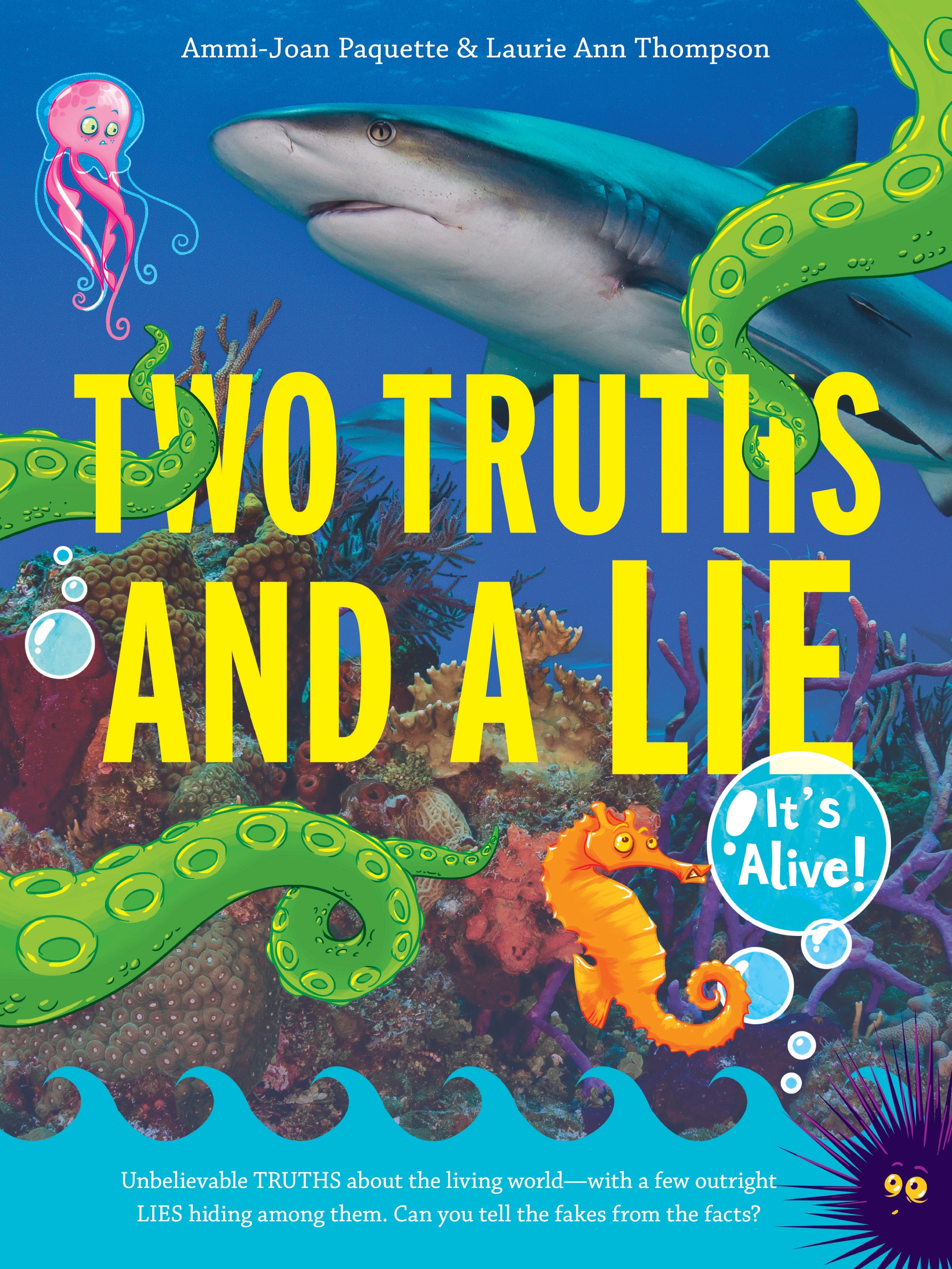
Two Truths and a Lie: It’s Alive! (now in paperback)

Two Truths and a Lie cover

And I want to be a paper­back writer
Paper­back writer!
(cue music by the Beatles)

Two Truths and a Lie: It's Alive! cover
Now in paperback!

I’ve tech­ni­cal­ly already had one paper­back release, since Be a Change­mak­er: How to Start Some­thing that Mat­ters came out in hard­cov­er, paper­back, and e‑book all at the same time. That does­n’t make it any less excit­ing that Two Truths and a Lie: It’s Alive!, which came out in hard­cov­er last year, is now avail­able in a paper­back version!
Even bet­ter is that the paper­back ver­sion is awe­some, IMHO. Some of the things I love most about the hard­cov­er of this book are the vivid col­ors of the pho­tographs and graph­ics and the high-qual­i­ty paper they are print­ed on, so I won­dered how the paper­back would mea­sure up to that high bar. I need­n’t have wor­ried, because the paper­back is every bit is beau­ti­ful and sturdy.
In fact, the only dif­fer­ence is that it’s sig­nif­i­cant­ly cheap­er. And that is great news, because it means more kids will get a chance to own it! 🙂
Two Truths and a Lie: Histories and Mysteries cover
Avail­able June 26, 2018!

You can pur­chase the brand-new paper­back ver­sion from your local book­store, or find infor­ma­tion about order­ing the new paper­back ver­sion here.
In case you missed it, there’s a short inter­view with Ammi-Joan and me over at the Cybils blog, fol­low­ing our win in the Mid­dle Grade Non-Fic­tion cat­e­go­ry. You can check that out here.
And, if you’re so inclined, you can now pre-order TWO TRUTHS AND A LIE: HISTORIES AND MYSTERIES, which will be avail­able on June 26, 2018. You can get all of that infor­ma­tion here.
Final­ly, just for fun, here’s our SCBWI West­ern Wash­ing­ton play­ers, a.k.a. Band: Books, per­form­ing Pic­ture Book Writer (our spin­off ver­sion of the Bea­t­les’ song above), last May 10, 2017, fea­tur­ing Vikram Madan and Mike Cressy on gui­tar; Janet Lee Carey, Kather­ine Grace Bond, and Karen Lewis on vocals; Dana Sul­li­van on drums; Dori Hillestad But­ler on key­board; myself on bass (low­er right-hand cor­ner); and Dan Richards as pro­duc­er, stage man­ag­er, and road­ie. Many thanks to Vikram Madan for cap­tur­ing us on video!

Good news for Emmanuel’s Dream

It is so hard for me to believe that I’m still get­ting good news about Emmanuel’s Dream more than three years after it was pub­lished! I thought I’d share some of the most excit­ing bits with you here:
LittleFreeLibrary Action Book Club logoFirst, you’ve heard of lit­tle free libraries, right? Have you heard about the Lit­tle Free Library orga­ni­za­tion? If not, def­i­nite­ly check them out, here. They are doing all kinds of great things, but per­haps my favorite is their Action Book Club™. In a new twist on the tra­di­tion­al book club, this part­ner­ship between Lit­tle Free Libraries and Read­ing Is Fun­da­men­tal (RIF) invites par­tic­i­pants to read books on time­ly top­ics, engage in live­ly dis­cus­sions, and take part in meaningful—and fun—group ser­vice projects to ben­e­fit their com­mu­ni­ties. How is that for com­bin­ing two of my favorite things: read­ing and social engage­ment!? Plus, Action Book Club mem­bers can share their expe­ri­ences online, which helps spread a rip­ple effect of pos­i­tive activ­i­ty across the coun­try and around the world. I love every­thing about this idea, so it was super excit­ing to learn that Lit­tle Free Library select­ed Emmanuel’s Dream for their cur­rent Action Book Club theme of Every­day Heroes, “which cel­e­brates acts of brav­ery, char­ac­ter, and kind­ness that trans­form our world in ways big and small.”
Illinois Monarch Award logoSec­ond, the Illi­nois School Library Media Asso­ci­a­tion (ISLMA) announced that Emmanuel’s Dream is includ­ed on their 2019 Monarch Award Mas­ter List. This means that stu­dents and their teach­ers in par­tic­i­pat­ing schools will be encour­aged to include Emmanuel’s Dream and the 19 oth­er titles on the mas­ter list in their read­ing or lis­ten­ing expe­ri­ences dur­ing the school year, and then stu­dents will vote for their favorite! The author and illus­tra­tor of the book receiv­ing the high­est num­ber of votes in the statewide bal­lot­ing will be declared the win­ners of the Monarch Award and will be invit­ed to attend the ISLMA con­fer­ence and par­tic­i­pate in pro­grams to fea­ture and hon­or him or her. Squee! I love the ones where stu­dents get to vote. Every­one wins!
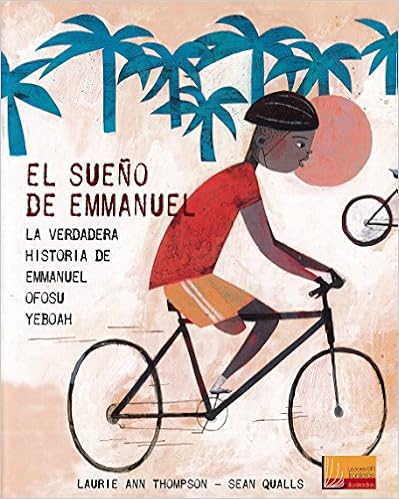
El Sueno de Emmanuel coverLast, but not least, I’m thrilled that the Span­ish edi­tion of Emmanuel’s Dream is not only avail­able, but it’s avail­able for read­ers of Span­ish who live here in the U.S., too! A huge thanks to Men­sajero for mak­ing this edi­tion pos­si­ble and spread­ing Emmanuel’s inspir­ing story.
That’s all for now. Thanks so much for read­ing. =D
 

On fear, and how writing is like a guitar

Fear is fun­ny. Not fun­ny, real­ly. Mad­den­ing, frus­trat­ing, debilitating.
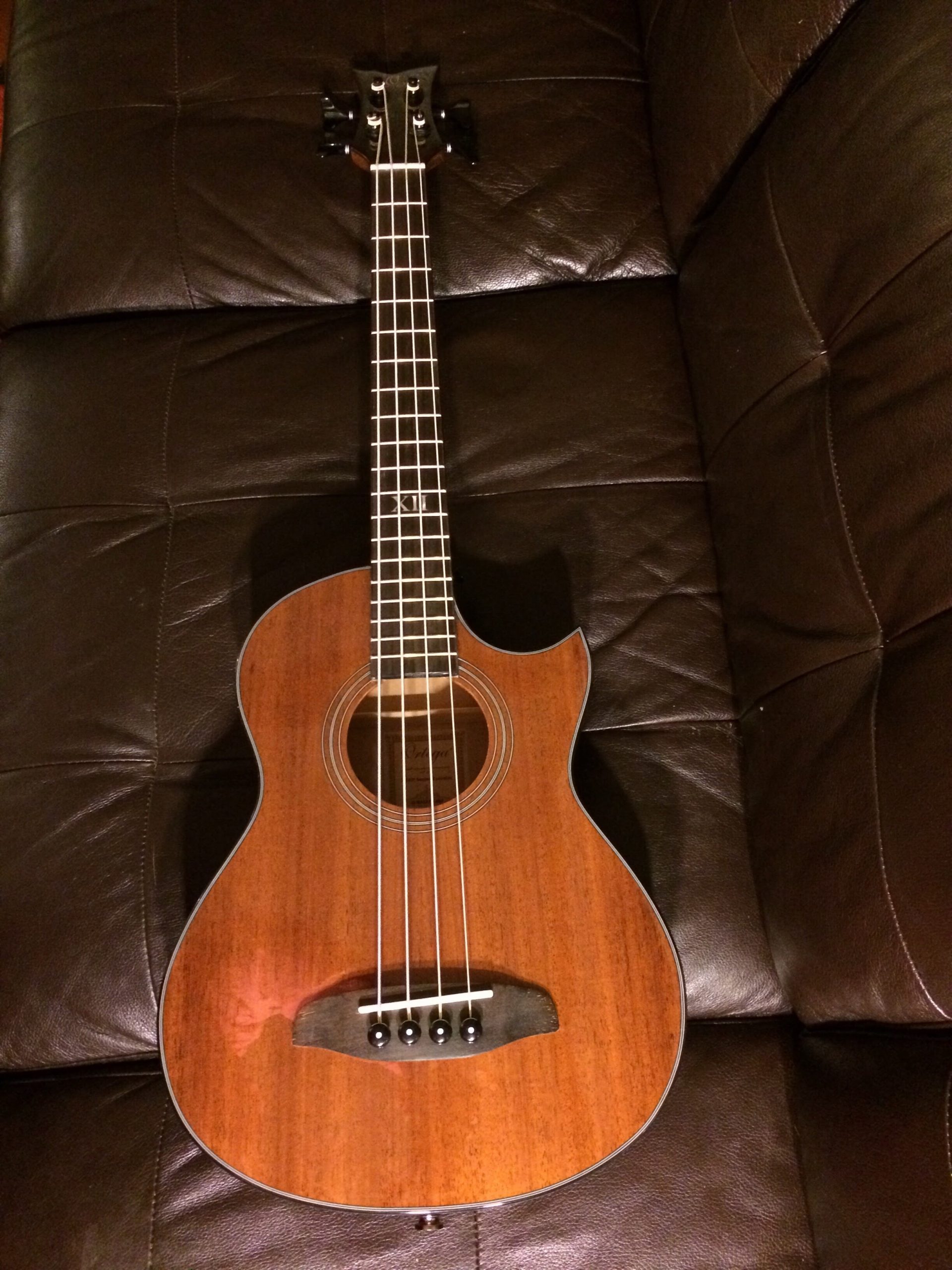
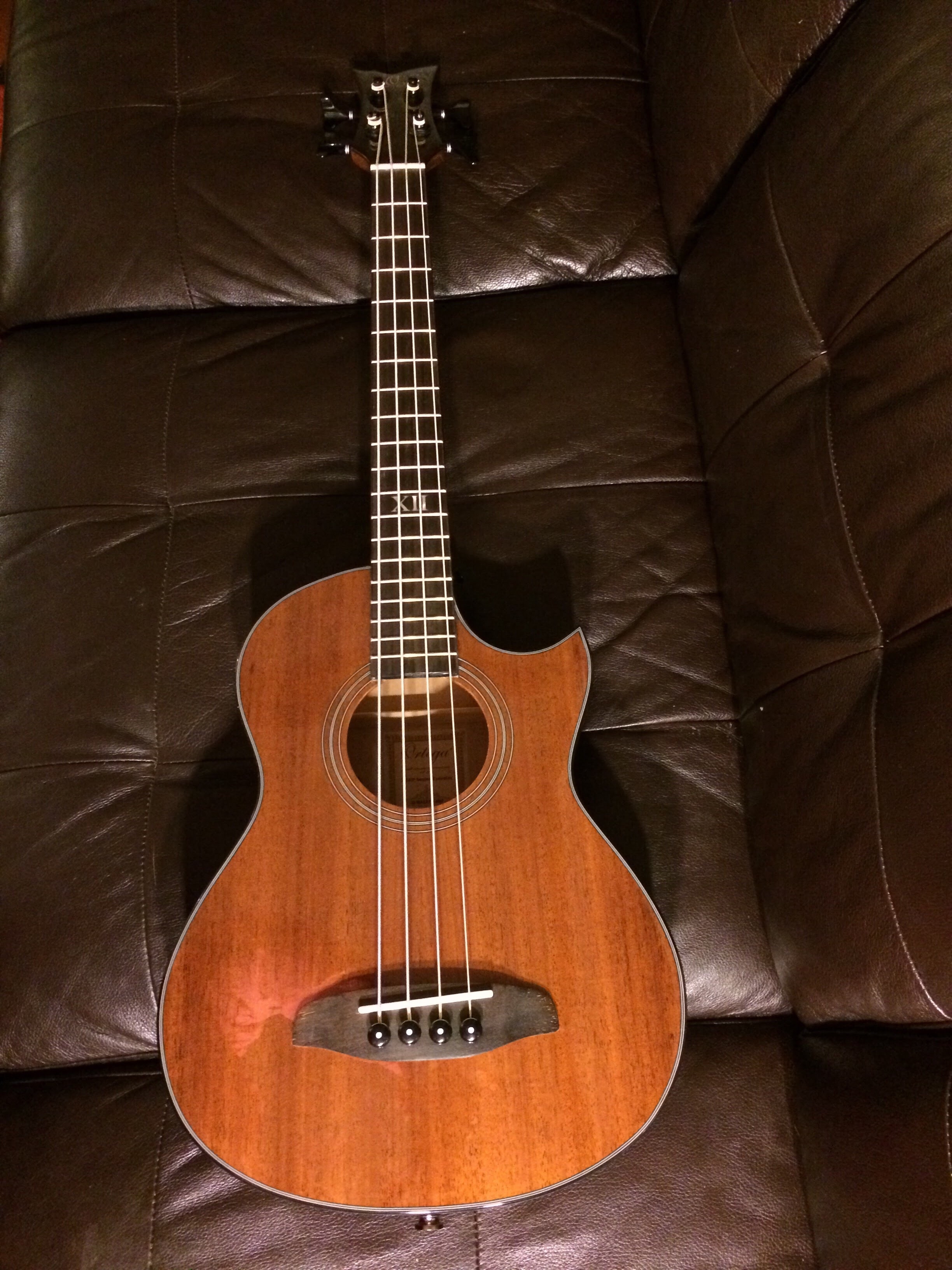
Ortega acoustic electric mini bassAfter a busy month or so, I had­n’t had time to prac­tice my bass gui­tar at all. I want­ed to. I missed it. So I took it out of the case and sat it next to my chair so it would be easy to grab when­ev­er I had a few free min­utes. And from there it mocked me. I was afraid to pick it up. Afraid I’d for­got­ten every­thing. Afraid I would suck.
Writ­ing is like that, too. I think the writ­ers who advise oth­ers to “write every day” do so for this rea­son most of all. The longer we go with­out doing some­thing the more room there is for doubt and excus­es, so we go even longer with­out doing it. It’s a vicious cycle that can be dif­fi­cult to break out of.
Some­times, the miss­ing doing the thing becomes greater than the fear and over­comes it. Oth­er times, we force our­selves past the fear. We have been here before and can see it for what it is.
I final­ly picked up the gui­tar today. I can still play. In fact, I think I played bet­ter today than I have in months. It felt joy­ous, both the abil­i­ty to make music and the let­ting go of the fear.
Soon, my sched­ule will allow me to get back to writ­ing again, too. And I am not afraid. In fact, I’m look­ing for­ward to it.
What goals are you avoid­ing because of fear? Per­haps it’s time to begin.
Begin

Great news for TWO TRUTHS AND A LIE!

2018 is off to a great start so far with a bevy of awards and acco­lades for Two Truths and a Lie: It’s Alive!, and I’m so excit­ed to share the lat­est good news with you here!

TLA Topaz list logoFirst, the Texas Library Asso­ci­a­tion include it on their 2018 Texas Topaz Non­fic­tion Read­ing List. Accord­ing to TLA, the Topaz List “high­lights recent­ly pub­lished non­fic­tion gems for read­ers of all ages. Adult ser­vices and youth ser­vices librar­i­ans serve on sep­a­rate com­mit­tees that con­sid­er hun­dreds of non­fic­tion titles for adults and youth respec­tive­ly. The librar­i­ans debate the mer­its, appeal, and impor­tance of the works to curate a list of engag­ing non­fic­tion titles intend­ed to reveal new or lit­tle-known infor­ma­tion, open doors to oth­er worlds, or intro­duce fresh voic­es. With titles for adults and chil­dren PreK-grade 12, there is some­thing for every­one on the Topaz list!”
Texas librar­i­ans ROCK, and being on this list is an incred­i­ble honor! 
Nerdy Book Club bannerNext, the Nerdy Book Club announced their 2017 Nerdies for Long Form Non­fic­tion. I love read­ing this blog, and their pas­sion for chil­dren’s books real­ly comes through. Plus, some of my favorite books and authors are on this list, so I lit­er­al­ly gasped out loud when I scrolled down far enough to see the cov­er of Two Truths and a Lie: It’s Alive! Thank you, Nerdy Book Club! So exciting!!
Cybils 2017 bannerThen, the Cybils announced their 2017 Elementary/Middle Grade Non-Fic­tion Final­ists, and Two Truths and a Lie: It’s Alive! was on their list, too! Again, there are some amaz­ing books here (includ­ing Zoo Sci­en­tists to the Res­cue and Fred Kore­mat­su Speaks Up, which I reviewed in past posts here), and I have been a Cybils judge in the past (so I know how seri­ous­ly they take their work!). Being a Cybils final­ist is an unbe­liev­able thrill!
Booklist Lasting Connections bannerFinal­ly, Book­list shared some love, in both their Spe­cial Fea­ture: Last­ing Con­nec­tions 2017 and Edi­tors’ Choice: Books for Youth, 2017.
Last­ing Con­nec­tions high­lights their top 30 choic­es for the K–8 class­room, all pub­lished in the pre­vi­ous year and all select­ed for their nat­ur­al con­nec­tions across the cur­ricu­lum and to the Com­mon Core State and Next Gen­er­a­tion Sci­ence Standards. 
Booklist Editors' Choice bannerAnd the Edi­tor’s Choice list is select­ed by the Books for Youth edi­to­r­i­al staff, who are “com­mit­ted to pro­vid­ing a broad selec­tion of out­stand­ing books that mix­es pop­u­lar appeal with lit­er­ary excel­lence,” as best-of-the-year non­fic­tion and fic­tion books and pic­ture books. Wow!

Hav­ing a book that you’ve worked hard on appear on lists like these is tru­ly a dream come true, and I could­n’t be hap­pi­er with this news. Cheers to 2018!

2017 in review, and a sneak peek at 2018 goals

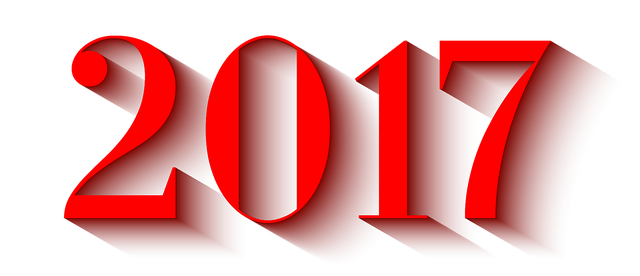
2017

If you’ve fol­lowed my blog for a long time (or know me at all), you prob­a­bly know I can be a lit­tle obses­sive about set­ting goals and doing annu­al per­for­mance reviews. So, as 2017 comes to a close, I thought I should reflect on what I’ve accom­plished the past year and think about what 2018 might bring.
2017
One of my main goals for 2017 was to get more com­fort­able speak­ing in pub­lic.  It’s a good thing I was able to do that, since (and prob­a­bly because) I got a lot of prac­tice! Here’s a quick summary:

  • 24 keynotes, assem­blies, pre­sen­ta­tions, or work­shops for young people,
  • 17 Skype visits,
  • 7 pre­sen­ta­tions for adults,
  • 6 book­store appearances,
  • 2 round­table cri­tique sessions,
  • 1 radio inter­view, and
  • an 8‑week improv class.

The suc­cess I feel here isn’t so much from the quan­ti­ty, but from the qual­i­ty. First, it’s got­ten MUCH eas­i­er for me. I can do these talks in stride now and don’t stress out for a whole day pri­or and then need a whole day after to decom­press. That’s a big win! Also, the improv class was odd­ly ter­ri­fy­ing to think about, but so much fun and such a great expe­ri­ence in prac­tice. So, I’m real­ly glad that I pushed myself out of my com­fort zone.
I also had some suc­cess with major writ­ing goals and projects:

  • TWO TRUTHS AND A LIE: IT’S ALIVE! was released in June, and I put a lot of time put into pro­mo­tion, includ­ing devel­op­ing pro­mo­tion­al mate­ri­als like cur­ricu­lum guides and swag, and cre­at­ing new pre­sen­ta­tions around it.
  • We’re just now putting the final touch­es on the sec­ond book in the series, TWO TRUTHS AND A LIE: HISTORIES AND MYSTERIES, which we researched, draft­ed, revised, copy­edit­ed, and sourced pho­tos for all in the past year. This one is so good, I can’t wait to see it out in the world next June!
  • We have the out­line for the third TWO TRUTHS AND A LIE book just about wrapped up, too, so 2018 will see a lot of work (and fun!) on that front.
  • I wrote a brand-new pic­ture book from scratch, revised it, and it went out on sub­mis­sion! I’m hope­ful this one will find a home in 2018.
  • I revised my MG non­fic­tion project and sent it back out on sub­mis­sion. Alas, it looks like this one will need yet anoth­er fresh approach, which is also on the sched­ule for 2018. I’m mulling over a cou­ple of ideas about how to proceed.
  • I worked on revis­ing two oth­er pic­ture books, one fic­tion and one non­fic­tion, but nei­ther one is quite ready yet. More work to come on both of those in the year ahead, and hope­ful­ly they’ll be ready to send out soon.
  • I start­ed research­ing a new pic­ture book biog­ra­phy. I’m real­ly excit­ed about this one, and the research so far has only fueled my inter­est fur­ther. I hope I can com­plete a first draft in the com­ing year.
  • I had a new idea for anoth­er non­fic­tion pic­ture book and have start­ed research­ing that one as well. This one is still in the idea phase and will take some noodling to get just the right approach, so for now I’ll keep research­ing and think­ing and see what happens.

2018
As you can see from the above, I’ll have my work cut out for me in 2018 with one new book to pro­mote, one under con­tract to write, (at least) two pic­ture books to fin­ish revis­ing, the MG non­fic­tion to re-envi­sion, and the two new pic­ture books to research and draft. Phew — that’s a lot of big goals. Wish me luck! =D

TWO TRUTHS AND A LIE resources for teachers and #GIVEAWAY!

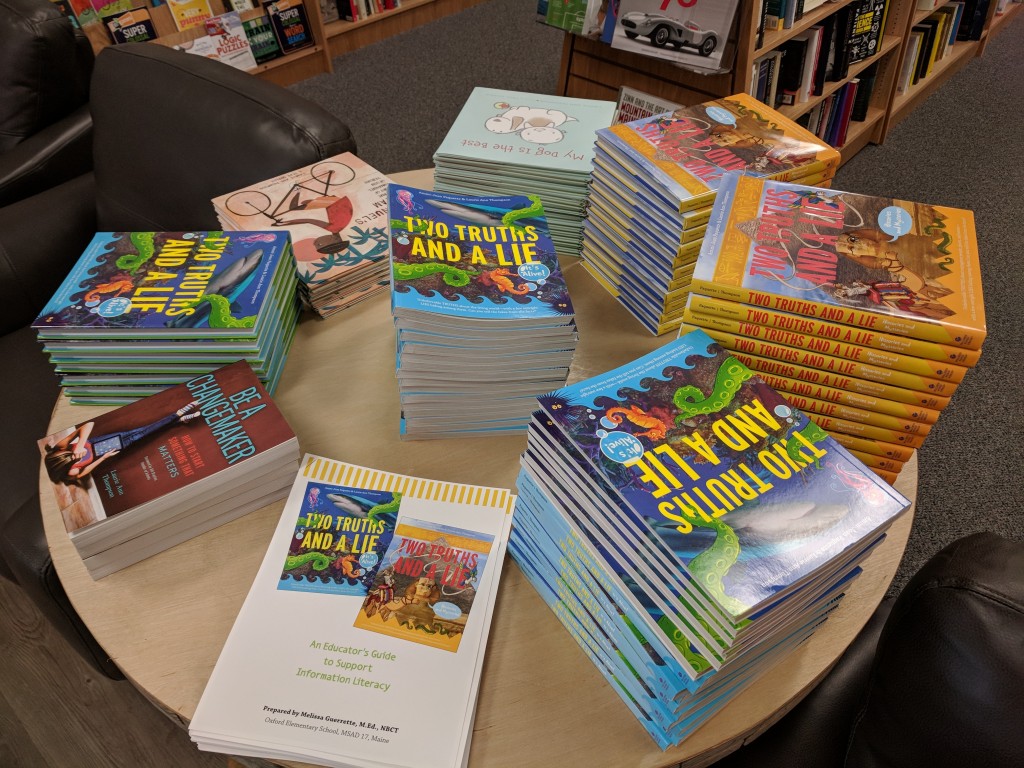
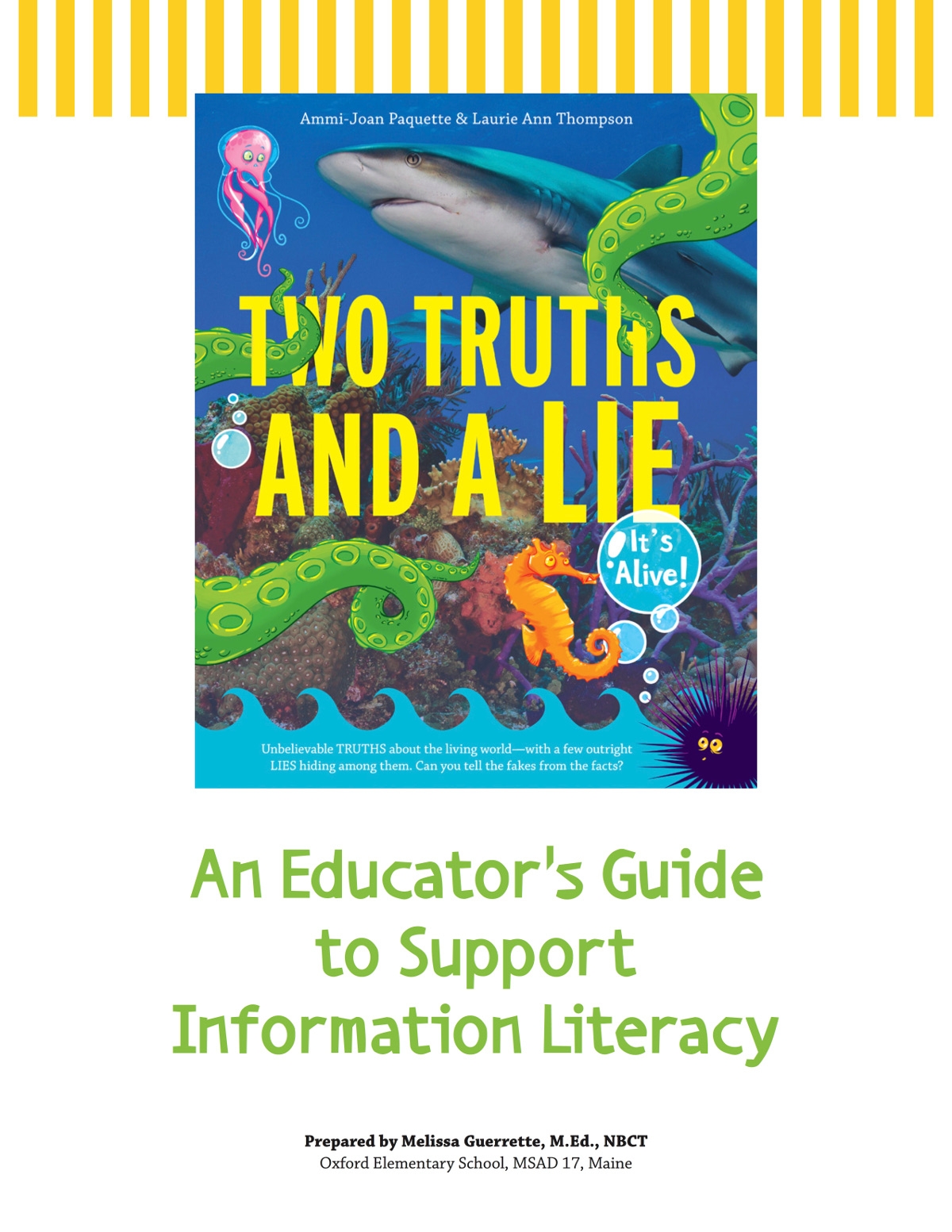
Educator's Guide cover

It is with great excite­ment and grat­i­tude that I give you this list of amaz­ing edu­ca­tion­al resources that won­der­ful edu­ca­tors and design­ers have com­piled to go along with TWO TRUTHS AND A LIE: IT’S ALIVE! and, hope­ful­ly, make it easier–and more fun–for teach­ers or librar­i­ans to put to use in the classroom!


Educator's Guide for teachersFirst up is the Edu­ca­tor’s Guide to Sup­port Infor­ma­tion Lit­er­a­cy, writ­ten by amaz­ing 5th grade teacher Melis­sa Guer­rette, M.Ed., NBCT. This guide is chock full of tips teach­ers can use to teach stu­dents how to eval­u­ate sources and fact-check any mate­ri­als they may encounter, whether they are read­ing the sto­ries from TWO TRUTHS AND A LIE or just about any­thing else.
It includes a print­able Fact or Fic­tion note-tak­ing work­sheet teach­ers can use to help read­ers ana­lyze a text to deter­mine if it is true or false and record evi­dence of their think­ing process­es along the way.
It also has a list of the Com­mon Core State Stan­dards sup­port­ed by the activ­i­ties in the guide, AND an impres­sive col­lec­tion of addi­tion­al resources for teach­ers of infor­ma­tion lit­er­a­cy concepts.
Down­load the PDF of the guide HERE.

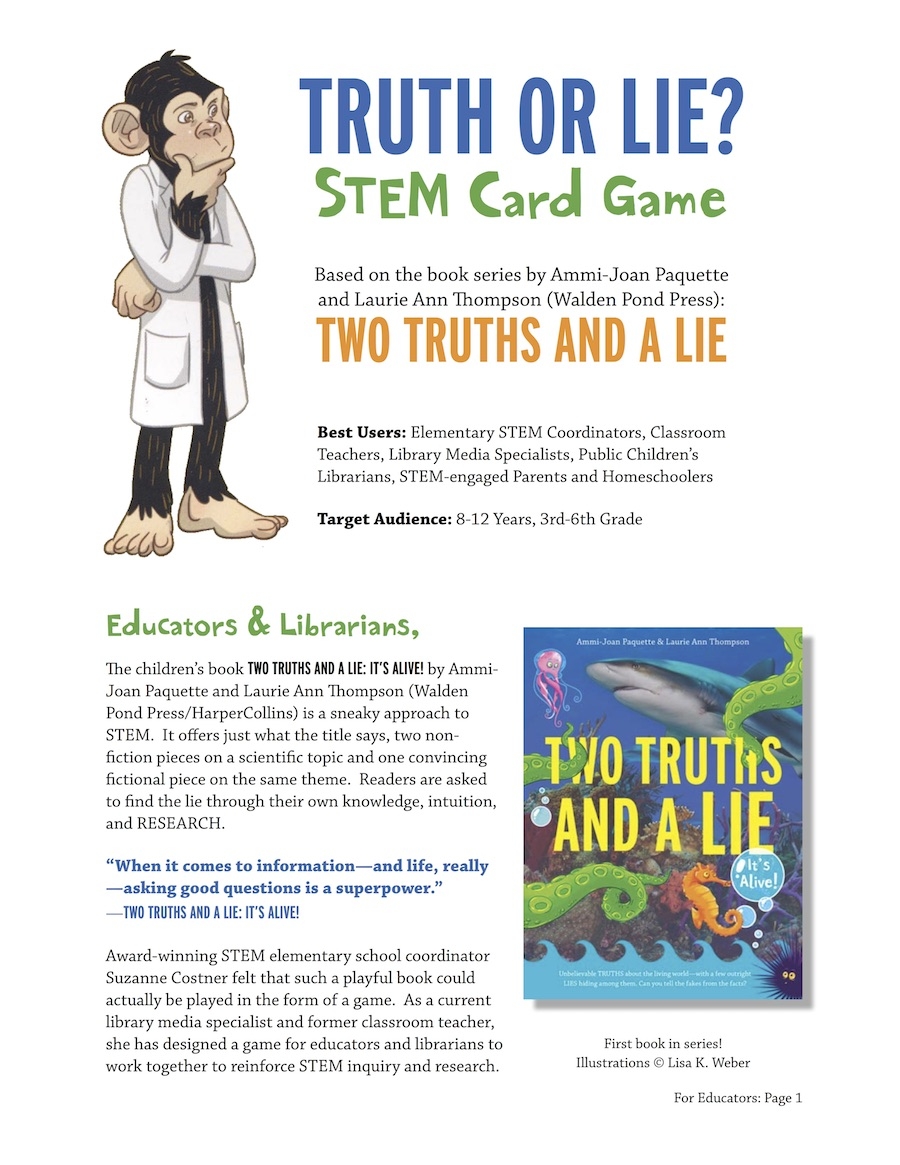
TTL Stem Game for teachersBut wait, there’s more! Award­ing-win­ning Library Media Spe­cial­ist and STEM Coor­di­na­tor Suzanne Cost­ner part­nered with Curi­ous City DPW to cre­ate a STEM Card Game and com­pan­ion research activ­i­ties. “As a school librar­i­an with a pas­sion for STEM top­ics, I saw this book as an oppor­tu­ni­ty both to explore inter­est­ing sto­ries and to devel­op cru­cial infor­ma­tion lit­er­a­cy skills,” says Suzanne. Using sci­en­tif­ic top­ics pulled from the book’s side­bars, they cre­at­ed a 52-card card deck that teach­ers can print out for their class­room. In Round 1, Play­er 1 reads a state­ment to Play­er 2 from a card. Play­er 2 decides whether the state­ment is a “Truth” or a “Lie.” In Round 2, play­ers choose a research top­ic from their amassed cards and make three game cards of their own – two truths and one lie on their cho­sen top­ic. In Round 3, play­ers try to out­wit each oth­er with the game cards they have cre­at­ed. Each new game in the class­room grows the game deck with new STEM material!
Down­load the PDF of the Truth or Lie? STEM Card Game HERE.
Suzanne and Curi­ous City DPW also put togeth­er the Two Truths and a Lie: What’s Your Source?, which pro­vides teach­ers with links for stu­dents to explore for top­ic val­i­da­tion and gives them the chance to com­pare and cross-check the infor­ma­tion before mak­ing their final deci­sion on whether the sto­ries in TWO TRUTHS AND A LIE: IT’S ALIVE! are fact or fic­tion; Two Truths and a Lie: Reach­ing for Resources, which pro­vides edu­ca­tors with links con­nect­ed with the book’s chap­ters to build infor­ma­tion lit­er­a­cy lessons upon, and the Two Truths and a Lie: Ratio­nale, Cur­ricu­lum Con­nec­tions & Grad­ing Rubric.


To go along with all of this excite­ment, for a lim­it­ed time Curi­ous City DPW is host­ing a GIVEAWAY! Read all about it and ENTER HERE, but hur­ry! Win­ners will be announced Decem­ber 5, 2017!


I’m super excit­ed about how these might spur class­room dis­cus­sions around STEM top­ics and infor­ma­tion lit­er­a­cy. If you use either of them with stu­dents, please let me know! I’d love to hear about how teach­ers are putting into prac­tice and any sug­ges­tions for how it could be improved. And, of course, pic­tures would be fantastic!

Interview with Patricia Newman and Annie Crawley

#ProtectOurWorld challenge poster

Last week I post­ed a review of ZOO SCIENTISTS TO THE RESCUE here. Today I’m hon­ored to fol­low up on that post with an inter­view with both of the book’s cre­ators, author Patri­cia New­man and pho­tog­ra­ph­er Annie Craw­ley, as part of their blog tour. Enjoy, and be sure to check out the rest of the stop in the blog tour, too!  (See below for a com­plete list.)
LAT: How did you first become inter­est­ed in doing a book about zoo sci­en­tists in gen­er­al, and about these three in particular? 
Patricia headshotPatri­cia: When my niece was in fifth grade, she told me about a per­sua­sive essay her teacher assigned. The top­ic was zoos—are they good or bad? Only the teacher didn’t pro­vide a bal­anced look—most of the lit­er­a­ture she shared with the kids was anti-zoo. As the moth­er of a zookeep­er, I knew my niece—and kids like her—needed the oth­er side of the sto­ry. That expe­ri­ence plant­ed the seeds for Zoo Sci­en­tists to the Rescue.
Patri­cia: Dur­ing my ini­tial research, I learned that zoos tack­le con­ser­va­tion using three basic approach­es: vis­i­tor edu­ca­tion; cap­tive breed­ing and rein­tro­duc­tion pro­grams; and in situ study, or study­ing wildlife in their native habi­tats. I searched for sev­er­al months, con­duct­ing brief phone inter­views with peo­ple at var­i­ous zoos to find the best match. Not all zoos are large enough to have research depart­ments, and the largest zoos often charge an hourly fee to inter­view their sci­en­tists. Some even charge hefty licens­ing fees to write about their “intel­lec­tu­al prop­er­ty.” But final­ly, the pieces slid into place only slight­ly dent­ing my bank account. I found three charis­mat­ic species (orang­utans, black-foot­ed fer­rets, and black rhi­nos) and three sci­en­tists will­ing to speak to me who address the three main ways zoos pro­mote con­ser­va­tion. And this was all before I’d writ­ten a word!
Annie headshotAnnie: I was born and raised in Chica­go, Illi­nois. Lin­coln Park Zoo con­nect­ed me with nature on a very deep lev­el. It is open 365 days a year and it is free, so for a Mom with four kids that was impor­tant. All sum­mer long we would go to the zoo in the morn­ing and North Avenue Beach in the after­noon. We would get to know the ani­mals. In 5th grade I learned that all of our Great Apes need­ed pro­tect­ing. I signed up for a spe­cial Behind the Scenes pro­gram for stu­dents. This pro­gram had us work­ing with the sci­en­tists, keep­ers, and access to so many wildlife lead­ers. Zoos had a great impact on my life and the way I choose to live my life. When Pat­ti approached me to work with her on Zoo Sci­en­tists to the Res­cue, I was all in. It is vital for kids/teens to con­nect with nature and con­ser­va­tion and I believe Zoo Sci­en­tists to the Res­cue will inspire many fam­i­lies to pro­tect our world.
LAT: I so agree. As a zoo lover myself, it was real­ly heart­en­ing to read such a thor­ough, well-researched (and gor­geous!) look at the good work that zoos are doing. Besides me, what kind of read­er do you think ZOO SCIENTISTS will appeal to?
Patri­cia: I write for the kid who asks ques­tions about ani­mals and our world; the kid who wants to pro­tect wildlife; the future sci­en­tist; the future writer with a pas­sion for the envi­ron­ment; or the vora­cious read­er. But way at the back of my mind, I write the kinds of books I would have liked to read as a kid.
Annie: Sim­i­lar to Plas­tic Ahoy! Inves­ti­gat­ing the Great Pacif­ic Garbage Patch, this book is tar­get­ed to 3–8 grade stu­dents. I have had pre-sale copies and shared it with many… and young and old tru­ly love this book. Every time I read it, I am even more inspired into action. It will appeal to nature lovers, zoo enthu­si­asts, sci­en­tif­ic minds, and any­one who wants to learn more about our world. More impor­tant, I think any­one who reads Zoo Sci­en­tists to the Res­cue will want to help our world!
LAT: I think it’s hard to read this book (or Plas­tic Ahoy!) and not come away with an enhanced pas­sion for sci­ence, the envi­ron­ment, and doing what we can to help. What was your favorite part of mak­ing ZOO SCIENTISTS? 
Patri­cia: I love to get to know the sci­en­tists. They always inspire and amaze me, and I hope they will inspire young read­ers to fol­low in their foot­steps. I keep in touch with the sci­en­tists I inter­view to find out where sci­ence takes them and how their research grows and develops.
Annie: Get­ting kissed by Maku, a black rhino!
Annie: My favorite part of mak­ing this book was trav­el­ing togeth­er with Patri­cia and being able to be a part of all of the inter­views so that I knew the kinds of images (both pho­to and video) that would be impor­tant to tell the sto­ry. My favorite trip was of course trav­el­ing to Chica­go and to doc­u­ment black rhi­nos and Dr. Rachel San­tymire at the Lin­coln Park Zoo. Cur­rent­ly I live in Seat­tle, so to be able to cre­ate a book fea­tur­ing a sci­en­tist from a zoo that helped shape who I am, and one where I spent hun­dreds and hun­dreds of hours of my youth was very excit­ing. We got a tour of the back area of the rhi­no exhib­it and then worked with Maku’s keep­er in the exhib­it so that I could get some great pho­tos. It’s the shoot we did that the cov­er of the book came from. Dur­ing the shoot, the keep­er would work with him and feed him snacks. She let me give him one and the next thing I knew Maku kissed my hand.
LAT: That is so cool! It sounds like it real­ly was a treat for both of you to work on this project. What was the hard­est part of the mak­ing ZOO SCIENTISTS, and how did you deal with that?
Patri­cia: For me, the hard­est part was lin­ing up the three zoos. After the zoos, the ani­mals, and the sci­en­tists fell into the place, the rest of the book was a breeze in comparison!
Annie: Time is the hard­est part of mak­ing any book. Shoot­ing with Jeff Baugh­man at the Cheyenne Moun­tain Zoo was very chal­leng­ing pho­to­graph­i­cal­ly on many lev­els. We were giv­en per­mis­sion to shoot at the breed­ing facil­i­ty, but there were many points to con­sid­er. Their main goal is to breed black-foot­ed fer­rets to rein­tro­duce into the wild. BFFs are noc­tur­nal, soli­tary ani­mals that do not do well with stress. They also need dim light­ing. So not know­ing any of this in advance, I had to work very effi­cient­ly in low light to cap­ture these charis­mat­ic animals.
LAT: I can cer­tain­ly under­stand the dif­fi­cul­ty of the research and logis­tics to line up the three zoos and their projects, Patri­cia, and I’m so glad it worked out. But I can’t even imag­ine how you came up with such great pho­tos in that kind of envi­ron­ment, Annie. Hats off to both of you! Dur­ing your research, did any­thing sur­prise you, catch you off guard, or make you change your planned course for mak­ing ZOO SCIENTISTS?
Patri­cia: I didn’t come across any sur­pris­es that made me change course, but I’m always sur­prised by the cool­ness of the sci­ence and how sci­en­tists solve prob­lems. The sto­ry of black-foot­ed fer­rets being saved from the brink of extinc­tion, not once but twice, is tru­ly astonishing!
Annie: We fea­ture Mered­ith Bas­t­ian from Smithsonian’s Nation­al Zoo­log­i­cal Park. We were able to inter­view her while Patri­cia and I were in Wash­ing­ton, D.C., accept­ing a Green Earth Book Award for Plas­tic Ahoy! We had a very lim­it­ed time with the sci­en­tist and only were grant­ed per­mis­sion the day before we arrived. In our allot­ted one hour, we inter­viewed her, but had no time to pho­to­graph her with the orang­utans nor did we have access on a lev­el that we were giv­en at the oth­er zoos with the ani­mals. It was also a very cloudy/rainy day so the orang­utans were not very coop­er­a­tive! Because I knew we need­ed to get orang­utan images for the book from oth­er zoos, I start­ed hang­ing out at my local zoo in Seat­tle, the Wood­land Park Zoo, to cap­ture images. In addi­tion, I was trav­el­ing to Aus­tralia and made a point to go to the Mel­bourne Zoo. Their orang­utan exhib­it is phe­nom­e­nal and real­ly helps edu­cate peo­ple on how farm­ing palm oil can be so destruc­tive to our environment.
LAT: I was aston­ished by the sto­ry of the BFFs, too. And, as a Seat­tleite myself, I love vis­it­ing the orang­utans at the Wood­land Park Zoo. How neat to know that they are pic­tured in ZOO SCIENTISTS! I’m always curi­ous about oth­er writ­ers’ and illus­tra­tors’ (includ­ing pho­tog­ra­phers’!) research process­es. Can you tell us about yours? Did you plot the basic out­line first, then fill in the blanks with research? Or did you immerse your­self in the research first, then feel your way into the struc­ture? I see you did a lot of email and phone interviews—did you have to go back and forth to com­plete the sto­ries? Were there any fun facts that got cut that you were sad to see go? 
Patri­cia: When I write for Mill­brook Press, I have to sub­mit a for­mal pro­pos­al which pro­vides a basic overview of the idea, describes the chap­ters, and gives the acqui­si­tion com­mit­tee an idea of where this book would fit in the mar­ket. In order to com­plete the pro­pos­al, I con­duct short infor­ma­tion­al inter­views with the sci­en­tists by phone. Dur­ing these inter­views, I try to find out the broad strokes of their sto­ry and whether they are will­ing to com­mit the nec­es­sary time to lengthy in-per­son inter­views, clar­i­fi­ca­tion ques­tions, and vet­ting the final man­u­script. Once I have a scientist’s buy-in, I can craft the pro­pos­al and hope­ful­ly give my edi­tor some idea what my nar­ra­tive thread might be.
Patri­cia: When the acqui­si­tions com­mit­tee gave me the go-ahead on Zoo Sci­en­tists to the Res­cue, Annie and I made three trips to the three dif­fer­ent zoos to inter­view the sci­en­tists and photograph/film them at work. We braved a spring bliz­zard, backed away from a charg­ing rhi­no, and laughed when a chat­ter­ing black-foot­ed fer­ret told us exact­ly what he thought of our intru­sion on his space!
Patri­cia: And as for cut­ting fun facts, nev­er! I re-word and re-imag­ine before I cut any­thing fun. The writ­ing was all about the fun. Why wouldn’t I share that with read­ers at every opportunity?
Annie: Patri­cia and I trav­eled togeth­er for all of the inter­views. She shared with me many of the papers the sci­en­tists had writ­ten and we dug deep into who they were. Being able to doc­u­ment with pho­tos and videos always takes research because the more you know about your sub­ject, the more knowl­edge you can bring to your cre­ative approach. Once the first draft was writ­ten, I knew I had to doc­u­ment many oth­er ani­mals. At this time, I became a zoo stalk­er with my cam­era. I spent weeks at the Wood­land Park Zoo in Seat­tle get­ting to know the ani­mals so that I could look for spe­cial moments. A pho­tog­ra­ph­er also has to wait for light for the sub­jects. Ear­ly morn­ing and lat­er after­noons in the fall gives you a gold­en light.
LAT: Oh, I love get­ting that insight into the process. What was your larg­er goal, i.e. what were you try­ing to give read­ers of ZOO SCIENTISTS as a takeaway?
Patri­cia: A Sene­galese forestry engi­neer by the name of Baba Dioum pre­sent­ed a paper at a 1968 meet­ing of the IUCN. In his paper he said, “In the end we will con­serve only what we love; we will love only what we under­stand; and we will under­stand only what we are taught.” When I write books like Zoo Sci­en­tists to the Res­cue or Sea Otter Heroes or Plas­tic, Ahoy!, I want read­ers to come away with a new­found respect for our con­nec­tion to the nat­ur­al world. Our habits mat­ter because they cre­ate rip­ples across the globe. So, whether we con­serve ener­gy to reduce cli­mate change, learn to appre­ci­ate the role an apex preda­tor plays in its ecosys­tem, reduce the amount of sin­gle-use plas­tic in our lives, or buy prod­ucts that use sus­tain­ably-sourced palm oil, we choose to cre­ate pos­i­tive rip­ples that help pre­serve the breath­tak­ing abun­dance of bio­di­ver­si­ty on our planet.
Annie: When photographing/filming I always want to doc­u­ment and help view­ers see what a writer/script needs to tell a sto­ry. Zoo Sci­en­tists to the Res­cue cap­tures what peo­ple are doing to help save endan­gered species and their envi­ron­ments. I’m hop­ing that all of our read­ers feel inspired into action to help pro­tect our world.
LAT: Well said, and I do think you suc­ceed­ed. In addi­tion to teach­ing some­thing to our read­ers, I believe every book teach­es us some­thing new–about the world, about
our­selves, or about the craft of cre­at­ing. What have you learned as a result of mak­ing ZOO SCIENTISTS? 

Patri­cia: Every time I write a book about an aspect of the envi­ron­ment, I’m remind­ed that sci­en­tists find new con­nec­tions all the time between humans and the plants and ani­mals that share our plan­et. I guess that’s job secu­ri­ty for me, but it’s also a wake-up call for young read­ers. With­out a clean ocean will there be enough food to eat or oxy­gen to breathe? With­out preda­tors like black-foot­ed fer­rets or sea otters, how will their respec­tive ecosys­tems thrive? And with­out large ani­mals like orang­utans and black rhi­nos, will the small­er ani­mals also dis­ap­pear? Despite what our cur­rent admin­is­tra­tion seems to think, humans are not “enti­tled” to use and abuse the world’s nat­ur­al resources with­out giv­ing back. We have to con­serve for the future.
Annie: Zoos are real­ly impor­tant places in our world for con­ser­va­tion, edu­ca­tion, inspi­ra­tion and so much more. If the habi­tat of the orang­utan dis­ap­pears because of our need for palm oil, the orang­utans dis­ap­pear. If black rhi­nos are killed to extinc­tion because of poach­ers, then the human pop­u­la­tion has failed to pro­tect the ani­mals in need of our pro­tec­tion. There is so much destruc­tion hap­pen­ing all around need­ing to be doc­u­ment­ed, shared, and reversed. I’ve learned we all need to raise our voic­es togeth­er and do every­thing pos­si­ble to pro­tect our world.
Annie: Cli­mate change is real and our ocean is the great reg­u­la­tor of our plan­et. The weath­er affects all the regions of the world. Peo­ple always look at our plan­et from a peo­ple point of view… and I have always looked out for the ani­mals. We told the sto­ries of these three ani­mals and their envi­ron­ment through the lens of peo­ple help­ing them… while oth­er peo­ple are try­ing to destroy the very same animals.
Annie: This is the sec­ond title Patri­cia and I co-cre­at­ed with edi­tor Car­ol Hinz and entire Lern­er Pub­lish­ing design/marketing crew. It rein­forced how much I tru­ly appre­ci­ate the team effort to take a book from your imag­i­na­tion into one you can hold in your hands and share with oth­ers. It was Mar­garet Mead who said, “Nev­er doubt that a small group of thought­ful, com­mit­ted cit­i­zens can change the world; indeed, it’s the only thing that ever has.” With this book, we are hop­ing to inspire peo­ple into action to pro­tect our world!
LAT: Thank you for shar­ing those impor­tant lessons with us. What are you both work­ing on next?
Patri­cia: Annie and I have are mulling over a few pos­si­bil­i­ties for our next book, but you can bet we’ll come up with some­thing. In the mean­time, I have two books com­ing out in 2018: a pic­ture book called Neema’s Rea­son to Smile (illus­trat­ed by the tal­ent­ed Mehrdokht Ami­ni) which tells the sto­ry of a Kenyan girl who yearns to be more, and anoth­er mid­dle-grade non­fic­tion sci­ence book called Eaves­drop­ping on Ele­phants which fol­lows sci­en­tists who study for­est ele­phants sim­ply by lis­ten­ing to them. I’m extreme­ly excit­ed about both of these titles because they held kids become glob­al cit­i­zens in very dif­fer­ent ways.
Annie: Although Zoo Sci­en­tists to the Res­cue offi­cial­ly launch­es in Octo­ber, we still have so much to do! We just fin­ished our trail­er and are hop­ing schools and orga­ni­za­tions will wel­come us to come inspire and speak. We are plan­ning a 30-Day Chal­lenge for every­one to do one thing every day that will help #Pro­tec­tOur­World
Annie: My Uncle Al always said, “Annie, have your fin­gers in 12 dif­fer­ent project ideas…” As I’m writ­ing this, I am on my way to film whales in Ton­ga. Three days ago, I was in the San Juan Islands off the coast of Belling­ham, WA, doc­u­ment­ing the envi­ron­men­tal dis­as­ter of the Cooke Salmon Farm net cat­a­stro­phe which released 300,000 farmed Atlantic Salmon into the Puget Sound/Salish Sea. In June I was in the Arc­tic Cir­cle. And I’m also lay­ing the ground­work on a larg­er project I’d like to work on with Patricia.
LAT: These projects all sound so excit­ing! I’m look­ing for­ward to hear­ing more about them all when the time comes. Is there any­thing you wish I would’ve asked you but didn’t? 
Patri­cia and Annie: You were very thor­ough, Lau­rie, and asked us great ques­tions! Thank you so much for par­tic­i­pat­ing in the blog tour. We are very grate­ful to you for want­i­ng to write about us and share our sto­ry with your read­ers. Per­haps we can close with a statement:

We tru­ly hope our sto­ry and read­ing the book Zoo Sci­en­tists to the Res­cue will inspire oth­ers to act. The orang­utans, black rhi­nos, and black-foot­ed fer­rets would not be with us today if it were not for peo­ple giv­ing them a voice. Yet, they are endan­gered because of peo­ple. We all need to raise our voic­es togeth­er, take an action every day, and share with your friends, fam­i­ly, and col­leagues what you are doing and why. We need to work togeth­er to #Pro­tec­tOur­World.

LAT: I think that’s a great way to close. Thank you so much, Patri­cia and Annie, for answer­ing my ques­tions and for your ded­i­ca­tion to bring­ing great books like ZOO SCIENTISTS into the world. I am sure YOUR actions will have many rip­ple effects around the world. 
Catch up and fol­low along with the rest of the blog tour here:

To down­load posters with infor­ma­tion about the 30-day #Pro­tec­tOur­World jour­nal chal­lenge, click here.

#ProtectOurWorld challenge poster #ProtectOurWorld challenge journal

Thanks for visiting!
Facts First! Nonfiction Monday

Review: ZOO SCIENTISTS TO THE RESCUE

Zoo Scientists cover

Zoo Scientists cover

ZOO SCIENTISTS TO THE RESCUE
by Patri­cia New­man, pho­tographs by Annie Crawley
Mill­brook Press/August 1, 2017
Grades 4–8, 64 pages

Here’s what the pub­lish­er says:

Zoos take care of ani­mals and wel­come vis­i­tors of all ages, but that’s not all zoos do. Author Patri­cia New­man and pho­tog­ra­ph­er Annie Craw­ley bring read­ers behind the scenes at three zoos to meet sci­en­tists work­ing to save endan­gered animals.
Mered­ith Bas­tian’s expe­ri­ences study­ing wild orang­utans help edu­cate both zoo vis­i­tors and the zoo work­ers who care for cap­tive orang­utans. Jeff Baugh­man breeds black-foot­ed fer­rets and rein­tro­duces them into the wild. And Rachel San­tymire exam­ines poop from black rhi­noc­er­os­es at the zoo and in their nat­ur­al habi­tat to ben­e­fit all black rhi­nos. Find out how zoo sci­en­tists are help­ing us learn more about these remark­able, at-risk species before it’s too late!
Fea­tures: Author Biog­ra­phy, Bib­li­og­ra­phy, Full-Col­or Pho­tographs, Fur­ther Read­ing, Glos­sary, Index, Maps, Pri­ma­ry Source Quo­ta­tions, Websites

The pro­fes­sion­al review­ers liked it:

“Many kids are famil­iar with zoos, but there’s much more to these attrac­tions than an oppor­tu­ni­ty to see ani­mals up close. New­man shines a light on the impor­tant work zoo sci­en­tists do to aid con­ser­va­tion and con­tribute impor­tant research, both at zoo labs and in the wild. This engag­ing­ly writ­ten book focus­es on three sci­en­tists and their work pro­tect­ing and research­ing orang­utans, black-foot­ed fer­rets, and black rhi­noc­er­os­es, respec­tive­ly. Each sci­en­tist describes his or her back­ground, research in the wild, chal­lenges to con­ser­va­tion efforts, and how zoo labs help them do their work. Pho­tos of the sci­en­tists in the field, as well as their ani­mal research sub­jects, enlivens the already fas­ci­nat­ing mate­r­i­al. New­man clear­ly describes the con­di­tions that led to each species becom­ing endan­gered and encour­ages read­ers to think care­ful­ly about their own actions in light of threats to wildlife. Though the book appears slim, the con­tent is fair­ly dense, so this will like­ly appeal more to mid­dle-grade read­ers. Hand this to kids who can’t get enough of the Sci­en­tists in the Field series.” —Book­list

“In this incred­i­bly infor­ma­tive book, read­ers learn about three zoo sci­en­tists who are work­ing to save three species (orang­utans, black-foot­ed fer­rets, and wild black rhi­nos) using a vari­ety of meth­ods, from con­ser­va­tion edu­ca­tion to breed­ing pro­grams. New­man also includes ideas on how stu­dents can con­tribute to con­ser­va­tion efforts, such as reduc­ing palm oil usage. Var­i­ous zoos and orga­ni­za­tions that focus on con­ser­va­tion are also men­tioned; for exam­ple, biobanks, where sci­en­tists freeze the sperm and eggs of var­i­ous species in order to pro­tect it from a cat­a­stroph­ic loss. The pho­tographs show the ani­mals as well as the sci­en­tists and effec­tive­ly enhance the infor­ma­tion pre­sent­ed. Sev­er­al charts, includ­ing one com­par­ing apes and mon­keys, add a deep­er lev­el of under­stand­ing. Maps of the orig­i­nal and cur­rent habi­tats of the crea­tures are help­ful in visu­al­iz­ing how the earth has changed over the years. A great book for research or for stu­dents inter­est­ed in con­ser­va­tion. School Library Journal

And here are my thoughts:
I real­ly enjoyed this book. As the Book­list review above says, the book is quite slim, so I was not expect­ing to learn as much as I did once I cracked the cov­er! On the one hand, I did­n’t want to put the book down, because I was so engrossed in the sto­ries and infor­ma­tion. On the oth­er, it was nice­ly bro­ken up into the three sep­a­rate sto­ries fol­low­ing three sep­a­rate sci­en­tists and their efforts to help three spe­cif­ic species, so it was easy to pick up where I’d left off when I was forced to walk away for a bit. The sci­ence is fas­ci­nat­ing, the human sto­ries are com­pelling, and the gor­geous pho­tog­ra­phy brings it all to life right before your eyes. I’ve been ambiva­lent about zoos my whole life. I love ani­mals, so I love being able to see them… but I also want them to live as hap­pi­ly and nat­u­ral­ly as pos­si­ble. This book helped me see a dif­fer­ent side of zoos that I have heard about but nev­er real­ly had a chance to explore in much detail or depth, the con­ser­va­tion aspect. I admire the sci­en­tists pro­filed in this book and the work that they’re doing, and I am grate­ful to Patri­cia New­man and Annie Craw­ley for shar­ing their sto­ries with us.
Final­ly, watch the trail­er to see some of the peo­ple and ani­mals from the book!

NEWSLETTER
SIGN-UP