Interview with Patricia Newman and Annie Crawley

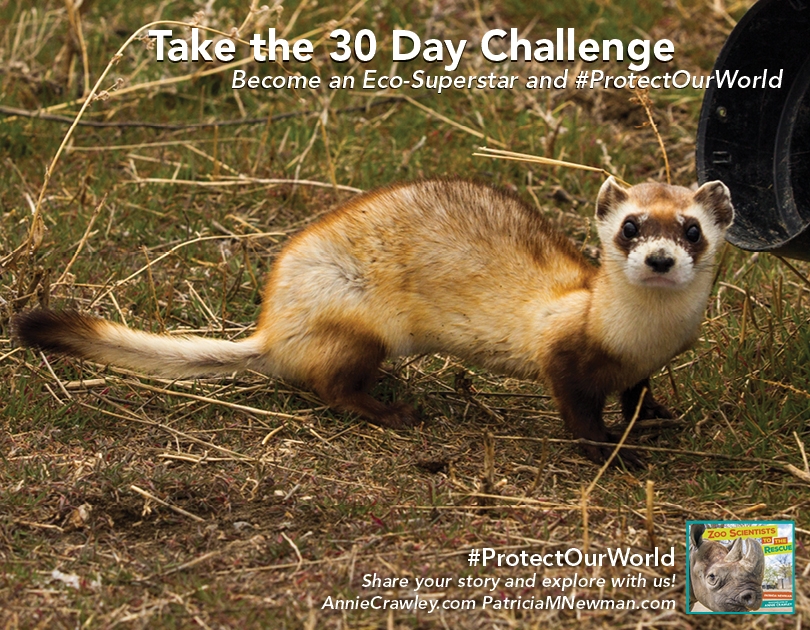
#ProtectOurWorld challenge poster

Last week I post­ed a review of ZOO SCIENTISTS TO THE RESCUE here. Today I’m hon­ored to fol­low up on that post with an inter­view with both of the book’s cre­ators, author Patri­cia New­man and pho­tog­ra­ph­er Annie Craw­ley, as part of their blog tour. Enjoy, and be sure to check out the rest of the stop in the blog tour, too!  (See below for a com­plete list.)
LAT: How did you first become inter­est­ed in doing a book about zoo sci­en­tists in gen­er­al, and about these three in particular? 
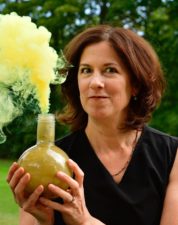
Patricia headshotPatri­cia: When my niece was in fifth grade, she told me about a per­sua­sive essay her teacher assigned. The top­ic was zoos—are they good or bad? Only the teacher didn’t pro­vide a bal­anced look—most of the lit­er­a­ture she shared with the kids was anti-zoo. As the moth­er of a zookeep­er, I knew my niece—and kids like her—needed the oth­er side of the sto­ry. That expe­ri­ence plant­ed the seeds for Zoo Sci­en­tists to the Rescue.
Patri­cia: Dur­ing my ini­tial research, I learned that zoos tack­le con­ser­va­tion using three basic approach­es: vis­i­tor edu­ca­tion; cap­tive breed­ing and rein­tro­duc­tion pro­grams; and in situ study, or study­ing wildlife in their native habi­tats. I searched for sev­er­al months, con­duct­ing brief phone inter­views with peo­ple at var­i­ous zoos to find the best match. Not all zoos are large enough to have research depart­ments, and the largest zoos often charge an hourly fee to inter­view their sci­en­tists. Some even charge hefty licens­ing fees to write about their “intel­lec­tu­al prop­er­ty.” But final­ly, the pieces slid into place only slight­ly dent­ing my bank account. I found three charis­mat­ic species (orang­utans, black-foot­ed fer­rets, and black rhi­nos) and three sci­en­tists will­ing to speak to me who address the three main ways zoos pro­mote con­ser­va­tion. And this was all before I’d writ­ten a word!
Annie headshotAnnie: I was born and raised in Chica­go, Illi­nois. Lin­coln Park Zoo con­nect­ed me with nature on a very deep lev­el. It is open 365 days a year and it is free, so for a Mom with four kids that was impor­tant. All sum­mer long we would go to the zoo in the morn­ing and North Avenue Beach in the after­noon. We would get to know the ani­mals. In 5th grade I learned that all of our Great Apes need­ed pro­tect­ing. I signed up for a spe­cial Behind the Scenes pro­gram for stu­dents. This pro­gram had us work­ing with the sci­en­tists, keep­ers, and access to so many wildlife lead­ers. Zoos had a great impact on my life and the way I choose to live my life. When Pat­ti approached me to work with her on Zoo Sci­en­tists to the Res­cue, I was all in. It is vital for kids/teens to con­nect with nature and con­ser­va­tion and I believe Zoo Sci­en­tists to the Res­cue will inspire many fam­i­lies to pro­tect our world.
LAT: I so agree. As a zoo lover myself, it was real­ly heart­en­ing to read such a thor­ough, well-researched (and gor­geous!) look at the good work that zoos are doing. Besides me, what kind of read­er do you think ZOO SCIENTISTS will appeal to?
Patri­cia: I write for the kid who asks ques­tions about ani­mals and our world; the kid who wants to pro­tect wildlife; the future sci­en­tist; the future writer with a pas­sion for the envi­ron­ment; or the vora­cious read­er. But way at the back of my mind, I write the kinds of books I would have liked to read as a kid.
Annie: Sim­i­lar to Plas­tic Ahoy! Inves­ti­gat­ing the Great Pacif­ic Garbage Patch, this book is tar­get­ed to 3–8 grade stu­dents. I have had pre-sale copies and shared it with many… and young and old tru­ly love this book. Every time I read it, I am even more inspired into action. It will appeal to nature lovers, zoo enthu­si­asts, sci­en­tif­ic minds, and any­one who wants to learn more about our world. More impor­tant, I think any­one who reads Zoo Sci­en­tists to the Res­cue will want to help our world!
LAT: I think it’s hard to read this book (or Plas­tic Ahoy!) and not come away with an enhanced pas­sion for sci­ence, the envi­ron­ment, and doing what we can to help. What was your favorite part of mak­ing ZOO SCIENTISTS? 
Patri­cia: I love to get to know the sci­en­tists. They always inspire and amaze me, and I hope they will inspire young read­ers to fol­low in their foot­steps. I keep in touch with the sci­en­tists I inter­view to find out where sci­ence takes them and how their research grows and develops.
Annie: Get­ting kissed by Maku, a black rhino!
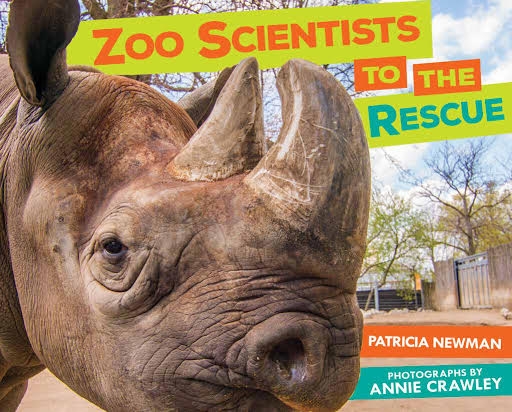
Annie: My favorite part of mak­ing this book was trav­el­ing togeth­er with Patri­cia and being able to be a part of all of the inter­views so that I knew the kinds of images (both pho­to and video) that would be impor­tant to tell the sto­ry. My favorite trip was of course trav­el­ing to Chica­go and to doc­u­ment black rhi­nos and Dr. Rachel San­tymire at the Lin­coln Park Zoo. Cur­rent­ly I live in Seat­tle, so to be able to cre­ate a book fea­tur­ing a sci­en­tist from a zoo that helped shape who I am, and one where I spent hun­dreds and hun­dreds of hours of my youth was very excit­ing. We got a tour of the back area of the rhi­no exhib­it and then worked with Maku’s keep­er in the exhib­it so that I could get some great pho­tos. It’s the shoot we did that the cov­er of the book came from. Dur­ing the shoot, the keep­er would work with him and feed him snacks. She let me give him one and the next thing I knew Maku kissed my hand.
LAT: That is so cool! It sounds like it real­ly was a treat for both of you to work on this project. What was the hard­est part of the mak­ing ZOO SCIENTISTS, and how did you deal with that?
Patri­cia: For me, the hard­est part was lin­ing up the three zoos. After the zoos, the ani­mals, and the sci­en­tists fell into the place, the rest of the book was a breeze in comparison!
Annie: Time is the hard­est part of mak­ing any book. Shoot­ing with Jeff Baugh­man at the Cheyenne Moun­tain Zoo was very chal­leng­ing pho­to­graph­i­cal­ly on many lev­els. We were giv­en per­mis­sion to shoot at the breed­ing facil­i­ty, but there were many points to con­sid­er. Their main goal is to breed black-foot­ed fer­rets to rein­tro­duce into the wild. BFFs are noc­tur­nal, soli­tary ani­mals that do not do well with stress. They also need dim light­ing. So not know­ing any of this in advance, I had to work very effi­cient­ly in low light to cap­ture these charis­mat­ic animals.
LAT: I can cer­tain­ly under­stand the dif­fi­cul­ty of the research and logis­tics to line up the three zoos and their projects, Patri­cia, and I’m so glad it worked out. But I can’t even imag­ine how you came up with such great pho­tos in that kind of envi­ron­ment, Annie. Hats off to both of you! Dur­ing your research, did any­thing sur­prise you, catch you off guard, or make you change your planned course for mak­ing ZOO SCIENTISTS?
Patri­cia: I didn’t come across any sur­pris­es that made me change course, but I’m always sur­prised by the cool­ness of the sci­ence and how sci­en­tists solve prob­lems. The sto­ry of black-foot­ed fer­rets being saved from the brink of extinc­tion, not once but twice, is tru­ly astonishing!
Annie: We fea­ture Mered­ith Bas­t­ian from Smithsonian’s Nation­al Zoo­log­i­cal Park. We were able to inter­view her while Patri­cia and I were in Wash­ing­ton, D.C., accept­ing a Green Earth Book Award for Plas­tic Ahoy! We had a very lim­it­ed time with the sci­en­tist and only were grant­ed per­mis­sion the day before we arrived. In our allot­ted one hour, we inter­viewed her, but had no time to pho­to­graph her with the orang­utans nor did we have access on a lev­el that we were giv­en at the oth­er zoos with the ani­mals. It was also a very cloudy/rainy day so the orang­utans were not very coop­er­a­tive! Because I knew we need­ed to get orang­utan images for the book from oth­er zoos, I start­ed hang­ing out at my local zoo in Seat­tle, the Wood­land Park Zoo, to cap­ture images. In addi­tion, I was trav­el­ing to Aus­tralia and made a point to go to the Mel­bourne Zoo. Their orang­utan exhib­it is phe­nom­e­nal and real­ly helps edu­cate peo­ple on how farm­ing palm oil can be so destruc­tive to our environment.
LAT: I was aston­ished by the sto­ry of the BFFs, too. And, as a Seat­tleite myself, I love vis­it­ing the orang­utans at the Wood­land Park Zoo. How neat to know that they are pic­tured in ZOO SCIENTISTS! I’m always curi­ous about oth­er writ­ers’ and illus­tra­tors’ (includ­ing pho­tog­ra­phers’!) research process­es. Can you tell us about yours? Did you plot the basic out­line first, then fill in the blanks with research? Or did you immerse your­self in the research first, then feel your way into the struc­ture? I see you did a lot of email and phone interviews—did you have to go back and forth to com­plete the sto­ries? Were there any fun facts that got cut that you were sad to see go? 
Patri­cia: When I write for Mill­brook Press, I have to sub­mit a for­mal pro­pos­al which pro­vides a basic overview of the idea, describes the chap­ters, and gives the acqui­si­tion com­mit­tee an idea of where this book would fit in the mar­ket. In order to com­plete the pro­pos­al, I con­duct short infor­ma­tion­al inter­views with the sci­en­tists by phone. Dur­ing these inter­views, I try to find out the broad strokes of their sto­ry and whether they are will­ing to com­mit the nec­es­sary time to lengthy in-per­son inter­views, clar­i­fi­ca­tion ques­tions, and vet­ting the final man­u­script. Once I have a scientist’s buy-in, I can craft the pro­pos­al and hope­ful­ly give my edi­tor some idea what my nar­ra­tive thread might be.
Patri­cia: When the acqui­si­tions com­mit­tee gave me the go-ahead on Zoo Sci­en­tists to the Res­cue, Annie and I made three trips to the three dif­fer­ent zoos to inter­view the sci­en­tists and photograph/film them at work. We braved a spring bliz­zard, backed away from a charg­ing rhi­no, and laughed when a chat­ter­ing black-foot­ed fer­ret told us exact­ly what he thought of our intru­sion on his space!
Patri­cia: And as for cut­ting fun facts, nev­er! I re-word and re-imag­ine before I cut any­thing fun. The writ­ing was all about the fun. Why wouldn’t I share that with read­ers at every opportunity?
Annie: Patri­cia and I trav­eled togeth­er for all of the inter­views. She shared with me many of the papers the sci­en­tists had writ­ten and we dug deep into who they were. Being able to doc­u­ment with pho­tos and videos always takes research because the more you know about your sub­ject, the more knowl­edge you can bring to your cre­ative approach. Once the first draft was writ­ten, I knew I had to doc­u­ment many oth­er ani­mals. At this time, I became a zoo stalk­er with my cam­era. I spent weeks at the Wood­land Park Zoo in Seat­tle get­ting to know the ani­mals so that I could look for spe­cial moments. A pho­tog­ra­ph­er also has to wait for light for the sub­jects. Ear­ly morn­ing and lat­er after­noons in the fall gives you a gold­en light.
LAT: Oh, I love get­ting that insight into the process. What was your larg­er goal, i.e. what were you try­ing to give read­ers of ZOO SCIENTISTS as a takeaway?
Patri­cia: A Sene­galese forestry engi­neer by the name of Baba Dioum pre­sent­ed a paper at a 1968 meet­ing of the IUCN. In his paper he said, “In the end we will con­serve only what we love; we will love only what we under­stand; and we will under­stand only what we are taught.” When I write books like Zoo Sci­en­tists to the Res­cue or Sea Otter Heroes or Plas­tic, Ahoy!, I want read­ers to come away with a new­found respect for our con­nec­tion to the nat­ur­al world. Our habits mat­ter because they cre­ate rip­ples across the globe. So, whether we con­serve ener­gy to reduce cli­mate change, learn to appre­ci­ate the role an apex preda­tor plays in its ecosys­tem, reduce the amount of sin­gle-use plas­tic in our lives, or buy prod­ucts that use sus­tain­ably-sourced palm oil, we choose to cre­ate pos­i­tive rip­ples that help pre­serve the breath­tak­ing abun­dance of bio­di­ver­si­ty on our planet.
Annie: When photographing/filming I always want to doc­u­ment and help view­ers see what a writer/script needs to tell a sto­ry. Zoo Sci­en­tists to the Res­cue cap­tures what peo­ple are doing to help save endan­gered species and their envi­ron­ments. I’m hop­ing that all of our read­ers feel inspired into action to help pro­tect our world.
LAT: Well said, and I do think you suc­ceed­ed. In addi­tion to teach­ing some­thing to our read­ers, I believe every book teach­es us some­thing new–about the world, about
our­selves, or about the craft of cre­at­ing. What have you learned as a result of mak­ing ZOO SCIENTISTS? 

Patri­cia: Every time I write a book about an aspect of the envi­ron­ment, I’m remind­ed that sci­en­tists find new con­nec­tions all the time between humans and the plants and ani­mals that share our plan­et. I guess that’s job secu­ri­ty for me, but it’s also a wake-up call for young read­ers. With­out a clean ocean will there be enough food to eat or oxy­gen to breathe? With­out preda­tors like black-foot­ed fer­rets or sea otters, how will their respec­tive ecosys­tems thrive? And with­out large ani­mals like orang­utans and black rhi­nos, will the small­er ani­mals also dis­ap­pear? Despite what our cur­rent admin­is­tra­tion seems to think, humans are not “enti­tled” to use and abuse the world’s nat­ur­al resources with­out giv­ing back. We have to con­serve for the future.
Annie: Zoos are real­ly impor­tant places in our world for con­ser­va­tion, edu­ca­tion, inspi­ra­tion and so much more. If the habi­tat of the orang­utan dis­ap­pears because of our need for palm oil, the orang­utans dis­ap­pear. If black rhi­nos are killed to extinc­tion because of poach­ers, then the human pop­u­la­tion has failed to pro­tect the ani­mals in need of our pro­tec­tion. There is so much destruc­tion hap­pen­ing all around need­ing to be doc­u­ment­ed, shared, and reversed. I’ve learned we all need to raise our voic­es togeth­er and do every­thing pos­si­ble to pro­tect our world.
Annie: Cli­mate change is real and our ocean is the great reg­u­la­tor of our plan­et. The weath­er affects all the regions of the world. Peo­ple always look at our plan­et from a peo­ple point of view… and I have always looked out for the ani­mals. We told the sto­ries of these three ani­mals and their envi­ron­ment through the lens of peo­ple help­ing them… while oth­er peo­ple are try­ing to destroy the very same animals.
Annie: This is the sec­ond title Patri­cia and I co-cre­at­ed with edi­tor Car­ol Hinz and entire Lern­er Pub­lish­ing design/marketing crew. It rein­forced how much I tru­ly appre­ci­ate the team effort to take a book from your imag­i­na­tion into one you can hold in your hands and share with oth­ers. It was Mar­garet Mead who said, “Nev­er doubt that a small group of thought­ful, com­mit­ted cit­i­zens can change the world; indeed, it’s the only thing that ever has.” With this book, we are hop­ing to inspire peo­ple into action to pro­tect our world!
LAT: Thank you for shar­ing those impor­tant lessons with us. What are you both work­ing on next?
Patri­cia: Annie and I have are mulling over a few pos­si­bil­i­ties for our next book, but you can bet we’ll come up with some­thing. In the mean­time, I have two books com­ing out in 2018: a pic­ture book called Neema’s Rea­son to Smile (illus­trat­ed by the tal­ent­ed Mehrdokht Ami­ni) which tells the sto­ry of a Kenyan girl who yearns to be more, and anoth­er mid­dle-grade non­fic­tion sci­ence book called Eaves­drop­ping on Ele­phants which fol­lows sci­en­tists who study for­est ele­phants sim­ply by lis­ten­ing to them. I’m extreme­ly excit­ed about both of these titles because they held kids become glob­al cit­i­zens in very dif­fer­ent ways.
Annie: Although Zoo Sci­en­tists to the Res­cue offi­cial­ly launch­es in Octo­ber, we still have so much to do! We just fin­ished our trail­er and are hop­ing schools and orga­ni­za­tions will wel­come us to come inspire and speak. We are plan­ning a 30-Day Chal­lenge for every­one to do one thing every day that will help #Pro­tec­tOur­World
Annie: My Uncle Al always said, “Annie, have your fin­gers in 12 dif­fer­ent project ideas…” As I’m writ­ing this, I am on my way to film whales in Ton­ga. Three days ago, I was in the San Juan Islands off the coast of Belling­ham, WA, doc­u­ment­ing the envi­ron­men­tal dis­as­ter of the Cooke Salmon Farm net cat­a­stro­phe which released 300,000 farmed Atlantic Salmon into the Puget Sound/Salish Sea. In June I was in the Arc­tic Cir­cle. And I’m also lay­ing the ground­work on a larg­er project I’d like to work on with Patricia.
LAT: These projects all sound so excit­ing! I’m look­ing for­ward to hear­ing more about them all when the time comes. Is there any­thing you wish I would’ve asked you but didn’t? 
Patri­cia and Annie: You were very thor­ough, Lau­rie, and asked us great ques­tions! Thank you so much for par­tic­i­pat­ing in the blog tour. We are very grate­ful to you for want­i­ng to write about us and share our sto­ry with your read­ers. Per­haps we can close with a statement:

We tru­ly hope our sto­ry and read­ing the book Zoo Sci­en­tists to the Res­cue will inspire oth­ers to act. The orang­utans, black rhi­nos, and black-foot­ed fer­rets would not be with us today if it were not for peo­ple giv­ing them a voice. Yet, they are endan­gered because of peo­ple. We all need to raise our voic­es togeth­er, take an action every day, and share with your friends, fam­i­ly, and col­leagues what you are doing and why. We need to work togeth­er to #Pro­tec­tOur­World.

LAT: I think that’s a great way to close. Thank you so much, Patri­cia and Annie, for answer­ing my ques­tions and for your ded­i­ca­tion to bring­ing great books like ZOO SCIENTISTS into the world. I am sure YOUR actions will have many rip­ple effects around the world. 
Catch up and fol­low along with the rest of the blog tour here:

To down­load posters with infor­ma­tion about the 30-day #Pro­tec­tOur­World jour­nal chal­lenge, click here.

#ProtectOurWorld challenge poster #ProtectOurWorld challenge journal

Thanks for visiting!
Facts First! Nonfiction Monday

Review: ZOO SCIENTISTS TO THE RESCUE

Zoo Scientists cover

Zoo Scientists cover

ZOO SCIENTISTS TO THE RESCUE
by Patri­cia New­man, pho­tographs by Annie Crawley
Mill­brook Press/August 1, 2017
Grades 4–8, 64 pages

Here’s what the pub­lish­er says:

Zoos take care of ani­mals and wel­come vis­i­tors of all ages, but that’s not all zoos do. Author Patri­cia New­man and pho­tog­ra­ph­er Annie Craw­ley bring read­ers behind the scenes at three zoos to meet sci­en­tists work­ing to save endan­gered animals.
Mered­ith Bas­tian’s expe­ri­ences study­ing wild orang­utans help edu­cate both zoo vis­i­tors and the zoo work­ers who care for cap­tive orang­utans. Jeff Baugh­man breeds black-foot­ed fer­rets and rein­tro­duces them into the wild. And Rachel San­tymire exam­ines poop from black rhi­noc­er­os­es at the zoo and in their nat­ur­al habi­tat to ben­e­fit all black rhi­nos. Find out how zoo sci­en­tists are help­ing us learn more about these remark­able, at-risk species before it’s too late!
Fea­tures: Author Biog­ra­phy, Bib­li­og­ra­phy, Full-Col­or Pho­tographs, Fur­ther Read­ing, Glos­sary, Index, Maps, Pri­ma­ry Source Quo­ta­tions, Websites

The pro­fes­sion­al review­ers liked it:

“Many kids are famil­iar with zoos, but there’s much more to these attrac­tions than an oppor­tu­ni­ty to see ani­mals up close. New­man shines a light on the impor­tant work zoo sci­en­tists do to aid con­ser­va­tion and con­tribute impor­tant research, both at zoo labs and in the wild. This engag­ing­ly writ­ten book focus­es on three sci­en­tists and their work pro­tect­ing and research­ing orang­utans, black-foot­ed fer­rets, and black rhi­noc­er­os­es, respec­tive­ly. Each sci­en­tist describes his or her back­ground, research in the wild, chal­lenges to con­ser­va­tion efforts, and how zoo labs help them do their work. Pho­tos of the sci­en­tists in the field, as well as their ani­mal research sub­jects, enlivens the already fas­ci­nat­ing mate­r­i­al. New­man clear­ly describes the con­di­tions that led to each species becom­ing endan­gered and encour­ages read­ers to think care­ful­ly about their own actions in light of threats to wildlife. Though the book appears slim, the con­tent is fair­ly dense, so this will like­ly appeal more to mid­dle-grade read­ers. Hand this to kids who can’t get enough of the Sci­en­tists in the Field series.” —Book­list

“In this incred­i­bly infor­ma­tive book, read­ers learn about three zoo sci­en­tists who are work­ing to save three species (orang­utans, black-foot­ed fer­rets, and wild black rhi­nos) using a vari­ety of meth­ods, from con­ser­va­tion edu­ca­tion to breed­ing pro­grams. New­man also includes ideas on how stu­dents can con­tribute to con­ser­va­tion efforts, such as reduc­ing palm oil usage. Var­i­ous zoos and orga­ni­za­tions that focus on con­ser­va­tion are also men­tioned; for exam­ple, biobanks, where sci­en­tists freeze the sperm and eggs of var­i­ous species in order to pro­tect it from a cat­a­stroph­ic loss. The pho­tographs show the ani­mals as well as the sci­en­tists and effec­tive­ly enhance the infor­ma­tion pre­sent­ed. Sev­er­al charts, includ­ing one com­par­ing apes and mon­keys, add a deep­er lev­el of under­stand­ing. Maps of the orig­i­nal and cur­rent habi­tats of the crea­tures are help­ful in visu­al­iz­ing how the earth has changed over the years. A great book for research or for stu­dents inter­est­ed in con­ser­va­tion. —School Library Journal

And here are my thoughts:
I real­ly enjoyed this book. As the Book­list review above says, the book is quite slim, so I was not expect­ing to learn as much as I did once I cracked the cov­er! On the one hand, I did­n’t want to put the book down, because I was so engrossed in the sto­ries and infor­ma­tion. On the oth­er, it was nice­ly bro­ken up into the three sep­a­rate sto­ries fol­low­ing three sep­a­rate sci­en­tists and their efforts to help three spe­cif­ic species, so it was easy to pick up where I’d left off when I was forced to walk away for a bit. The sci­ence is fas­ci­nat­ing, the human sto­ries are com­pelling, and the gor­geous pho­tog­ra­phy brings it all to life right before your eyes. I’ve been ambiva­lent about zoos my whole life. I love ani­mals, so I love being able to see them… but I also want them to live as hap­pi­ly and nat­u­ral­ly as pos­si­ble. This book helped me see a dif­fer­ent side of zoos that I have heard about but nev­er real­ly had a chance to explore in much detail or depth, the con­ser­va­tion aspect. I admire the sci­en­tists pro­filed in this book and the work that they’re doing, and I am grate­ful to Patri­cia New­man and Annie Craw­ley for shar­ing their sto­ries with us.
Final­ly, watch the trail­er to see some of the peo­ple and ani­mals from the book!

Author interview with Sarah Albee

A few weeks ago, I reviewed POISON: DEADLY DEEDS, PERILOUS PROFESSIONS, AND MURDEROUS MEDICINES, by Sarah Albee. Today, I’m excit­ed to host Sarah for an inter­view with the author! Read on to learn more about how she wrote this par­tic­u­lar book and much, much more…


LAT: Wel­come, Sarah, and thanks for agree­ing to answer my questions! 
LAT: You know how much I love your new book, POISON. The whole time I was read­ing it, though, I kept won­der­ing… how did you first become inter­est­ed in writ­ing about poisons?
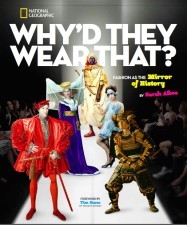
Sarah Albee author photoSA: I’ve been fas­ci­nat­ed with poi­son ever since I was a young kid, from the first fairy tales that were read to me, to sto­ries that I read myself as I got old­er. Snow White, Sher­lock Holmes, Agatha Christie, Shakespeare—I want­ed to know if those poi­son­ings from lit­er­a­ture were pos­si­ble in real life, and if they were, I want­ed to know what was going on at the mol­e­c­u­lar lev­el of a per­son who’d been poi­soned. The idea of writ­ing a book about poi­son occurred to me a few years ago, as I was research­ing my book, Why’d They Wear That? Asso­ci­at­ing poi­son with fash­ion may sound odd, but my inter­est was piqued as I learned more about how arsenic became wild­ly pop­u­lar in the 19 th century—it was everywhere—at every apothe­cary shop, in arseni­cal green fab­ric, in paint pig­ments, even in edi­ble arsenic com­plex­ion wafers (!). The his­to­ry of poi­son just seemed like a per­fect way to link so many things that intrigue me—mysteries, detec­tive sto­ries, human pas­sion, alche­my, art, pol­i­tics, social his­to­ry, and the his­to­ry of medicine.
LAT: And that link­ing of so many dif­fer­ent top­ics is one of the biggest rea­sons I enjoyed read­ing it so much! Besides geeky non­fic­tion authors, what kind of read­ers do you think this book will appeal to?
SA: I hope it will have what pub­lish­ers call “crossover appeal,” which for me would be kids who think they pre­fer to read only fic­tion. I per­son­al­ly love know­ing the “back sto­ry,” no mat­ter what genre I’m read­ing. I find that I still ask myself: “Could that actu­al­ly hap­pen in real life?” I hope the book will appeal to sci­ence-ori­ent­ed read­ers, his­to­ry lovers, and to kids who love mysteries!
LAT: I think it will. Your pas­sion for the sub­ject comes through on every page. What was your favorite part of the book to research and/or write?
SA: At the risk of sound­ing hokey, every part of the research was fas­ci­nat­ing. Poi­sons in the ancient world, poi­sons in the Renais­sance, poi­sons in the 19th cen­tu­ry and the rise of forensics—I mean, there was lit­er­al­ly nev­er a dull moment. I loved vis­it­ing a poi­son plant gar­den and see­ing in per­son all the poi­so­nous plants I’d been read­ing and writ­ing about. I loved talk­ing to muse­um cura­tors and get­ting spe­cial, pri­vate access to amaz­ing col­lec­tions of bones and body organs and
artifacts.
LAT: Sounds like fun! What was the hard­est part of the research and/or writ­ing for you, and how did you deal with that?
SA: The hard­est part was fig­ur­ing out how to nar­row down my top­ic. Ear­ly drafts of the book were, well, in need of a firm edi­to­r­i­al hand. Luck­i­ly I have won­der­ful beta read­ers and a fan­tas­tic edi­tor, and with vary­ing degrees of gen­tle­ness and can­dor, they informed me that I need­ed to cut, cut, cut. Thank god for editors.
LAT: Hear, hear! I can relate to that one. Did any­thing dur­ing the research phase sur­prise you, catch you off guard, or make you change your planned course for the book?
SA: Yessir­ree. See above re hav­ing to nar­row down my top­ic. In an ear­li­er draft, I’d includ­ed a pret­ty exten­sive his­to­ry of anes­the­sia. It is SO COOL. Prepar­ing a patient for surgery in ancient times ranged from hav­ing the patient inhale fumes from a soporif­ic sponge soaked in man­drake and opi­um, to bonk­ing him over the head with a mal­let. Which unfor­tu­nate­ly led to many patients nev­er wak­ing up. The dis­cov­ery of ether and chlo­ro­form total­ly trans­formed the way sur­geons per­formed oper­a­tions. But my edi­tor and I final­ly decid­ed we need­ed to cut most of that out, which pained me as much as bod­i­ly cuts with­out anes­the­sia. (Ha ha, not real­ly!) Although many types of poi­sons were used as both anal­gesics and anes­thet­ics, I had to acknowl­edge that they didn’t quite fit in a book about nefar­i­ous poi­sons. (Side note: I now have the most pro­found respect for anesthesiologists.)
LAT: Per­haps it’ll come in handy for anoth­er book, some­where down the line. I can image you col­lect­ed a TON of inter­est­ing infor­ma­tion along the way. How do you man­age all of your research for a book like this? What’s your sys­tem? (Tell me, please, because mine feels woe­ful­ly amateurish!)
SA: Ha! I wish I could tell you that I’m super sys­tem­at­ic about my research, but every time I begin a new project it’s a big, blob­by mess. For this book, I began by read­ing widely—biographies about the Bor­gias, Roman emper­ors, Cather­ine de Medici, Empress Wu. I read ear­ly med­ical jour­nals, up-to-the-minute schol­ar­ly arti­cles, and pri­ma­ry sources like trav­el­ogues and diaries. I took an online course in chem­istry, and anoth­er in foren­sics. I inter­viewed tons of peo­ple, and became a pest to my sci­ence-teacher friends (“explain to me again what an alka­loid is?”). The one god­send was I knew what my struc­ture would be—the book would be chrono­log­i­cal, from ancient times to the present, so I was able to lump my top­ics and my poisoners/victims into their respec­tive his­tor­i­cal eras.
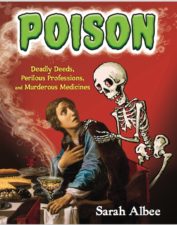
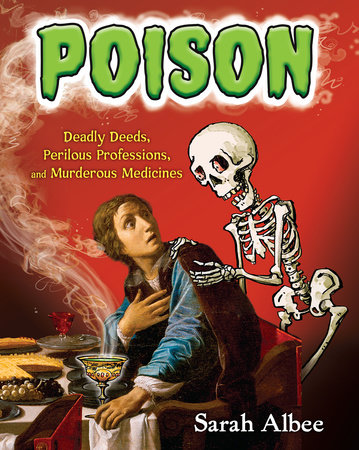
POISON cover
LAT: Wow, that’s an impres­sive research list! Did you do all the pho­to research for the book too? Can you tell us a bit about that process?
SA: The first time I did my own image research, many books ago, I was over­whelmed, and total­ly clue­less about how to go about it. Image research is a steep learn­ing curve, but now, many books lat­er, I absolute­ly love that phase of the process. I did a cou­ple of guest posts on Melis­sa Stewart’s blog about image research for stu­dents here, and for pro­fes­sion­al writ­ers here, if peo­ple would like a bit more detail.
LAT: You’ve helped me come up to speed in that area as well, and I’m eter­nal­ly grate­ful for your gen­er­ous advice!
LAT: I think every book teach­es us some­thing new, about the world, about our­selves, or about the craft of writ­ing. What have you learned as a result of writ­ing this book?
SA: I try not to get too polit­i­cal in my books or on social media, but the more research I have done about the hor­rors of poi­sons and envi­ron­men­tal tox­ins peo­ple used to be exposed to, the more hor­ri­fied I have grown by the cur­rent trend in our coun­try to roll back hard-fought reg­u­la­tions for clean air and clean water, and to defang agen­cies such as the FDA and the EPA. When you know the his­to­ry of the way things used to be, you shud­der at what could hap­pen once again.
LAT: I had the same thoughts when I was read­ing your book. I’m glad that myself, and all the oth­er read­ers out there, will have this broad­ened per­spec­tive going forward. 
LAT: What oth­er writ­ers do you look up to and why?
SA: I have so many kidlit writ­ers that I look up to and love, both fic­tion and nonfiction—but this answer would be way too long if I tried to list all of them. So I’ll stick to just a few writ­ers of adult books I admire. Mary Roach is a favorite of mine. I love her sense of humor and her off­beat sci­ence topics—I like to think that our mis­sions are aligned. I love P.G. Wode­house. I love his­to­ri­ans who can write, and write well. It’s like a breath of fresh air when you find a schol­ar­ly, well-researched book that’s also beau­ti­ful­ly writ­ten for a reader’s enjoy­ment, with grace and style and wit.
LAT: What are you work­ing on now?
SA: I’m work­ing on sev­er­al projects right now and I wish there were more hours in the day because I’m so excit­ed about all of them! I have a book about the human/dog rela­tion­ship com­ing out next March with Nation­al Geo­graph­ic, called Dog Days of His­to­ry. And I’m work­ing on a book that’s a col­lec­tion of quirky biogra­phies, as well as a series of biogra­phies for much younger read­ers, and a new Amer­i­can his­to­ry series for upper ele­men­tary kids, which will prob­a­bly be called “What Were They Think­ing?”
LAT: Gosh, you’re busy! Is there any­thing you wish I would’ve asked you but didn’t?
SA: You’ve done a darn good job cov­er­ing the bases, Lau­rie. But hmmm. Kids often ask me what my favorite part of my job is. And I joke about how great it is to be able to work at my bed-desk, but hon­est­ly, one of the best parts of this job is when I vis­it schools, and meet the kids I work for. Let’s face it: for a non­fic­tion writer, fic­tion can be stiff com­pe­ti­tion, not to men­tion the myr­i­ad screen-time options vying for kids’ atten­tion. So my goal is to write fas­ci­nat­ing, enter­tain­ing, and accu­rate books that kids choose to read. I want them to see how amaz­ing his­to­ry can be.
LAT: Well said. I feel exact­ly the same way. I’m so glad you could vis­it, Sarah, and thank you for answer­ing all of my questions!


You can find out more about Sarah Albee at her web­site, and be sure to check out POISON: DEADLY DEEDS, PERILOUS PROFESSIONS, AND MURDEROUS MEDICINES!

Author interview with Tara Dairman and book #giveaway!

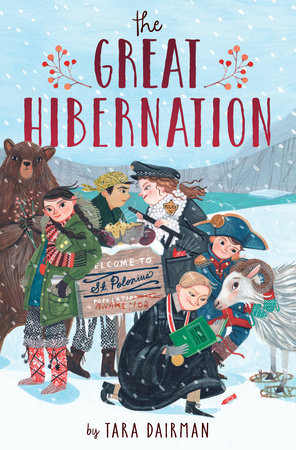
The Great Hibernation cover
A very hap­py book birth­day to Tara Dair­man and her lat­est mid­dle-grade nov­el, The Great Hiber­na­tion! This sto­ry has mys­tery, pol­i­tics, com­ing of age, sci­ence, and a healthy dose of girl pow­er, and it’s avail­able NOW from Wendy Lamb Books/Penguin Ran­dom House. I loved it, and I high­ly rec­om­mend it!
As a spe­cial treat, Tara agreed to do an inter­view for us today. So, with­out fur­ther ado, let’s hear from Tara!
LAT: What kind of read­er do you think this book will appeal to?
TD: A wide vari­ety, I hope! Fans of my All Four Stars series should enjoy the humor and the food­ie ele­ments that those books share with The Great Hiber­na­tion. But I think that Hiber­na­tion will also draw in read­ers who like mys­tery, zany/madcap adven­ture, and a bit of polit­i­cal con­tent, too. Plus, I just have to say, my mom real­ly likes it. She pret­ty much told me it’s her favorite of all my books. 🙂
LAT: It’s so hard to pick a favorite, but I also real­ly loved this one. How did you first become inter­est­ed in writ­ing The Great Hiber­na­tion? What were your incen­tives for stick­ing with it?
TD: I first got the idea in 2013… from a dream! In the dream, two kids were out in freez­ing open water in a tiny boat, try­ing to flag down a big­ger boat to help them because some­thing had gone ter­ri­bly wrong back on shore in their town. When I woke up, I knew I had to find out who those kids were and what had gone wrong. (And that dream inspired one of my favorite scenes in the whole book.)
LAT: I remem­ber that scene! There are some great details and obser­va­tions in that one, as well as oth­ers. It seems like a ton of research must have gone into this book to get those details right. Can you tell us about that? How was that dif­fer­ent from pre­vi­ous books? Do you think you’ll get to reuse any of that research in future stories?
TD: Work­ing on The Great Hiber­na­tion did give me an oppor­tu­ni­ty to research a lot of fun top­ics, from sheep farm­ing to Thai cui­sine to liv­er func­tion. I was lucky to have some expert beta and sen­si­tiv­i­ty read­ers look at the man­u­script and answer my ques­tions at var­i­ous points to that I could make those details as authen­tic as pos­si­ble. As for the small town of St. Polo­nius-on-the-Fjord (where the book is set), it’s loose­ly inspired by the north­ern coast of Ice­land. I had the plea­sure of trav­el­ing through that area a few years ago, so when I was draft­ing, I did have a sharp pic­ture in my head of what the town and its envi­rons would look like.
TD: I kind of doubt I’ll ever get to reuse any of my research, but if I write anoth­er book in which a sheep needs to go down a stair­case… well, I know now that he can. (With a lit­tle help!)
LAT: Were there any sur­pris­es or stum­bling blocks along the way to the fin­ished draft? How did you end up deal­ing with that?
TD: I strug­gled to get the open­ing chap­ter right for this book. There’s a lot of infor­ma­tion and back­sto­ry to con­vey, plus a lot of char­ac­ters to intro­duce, and of course I didn’t want things to feel info-dumpy. I start­ed over from scratch sev­er­al times—and then, after I sold the book for pub­li­ca­tion, I threw the whole first chap­ter out and rewrote it all over again. Luck­i­ly, my beta read­ers, edi­tors, and I all real­ly loved the final ver­sion, so I got there in the end!
LAT: Oh, I can cer­tain­ly relate to that! Per­sis­tence is the key, right? To that point, though, how do you decide when a book is “done” and ready to send to your agent?
TD: When I lit­er­al­ly can­not fath­om look­ing at it for a sin­gle sec­ond more. 🙂 (That is usu­al­ly after I’ve done at least two major revi­sions on my own based on cri­tique part­ner feed­back, though. My agent nev­er sees my ear­li­est drafts!)
Tara Dairman author photo
LAT: I think every book teach­es us some­thing new, about the world, about our­selves, or about the craft of writ­ing. What have you learned as a result of writ­ing this par­tic­u­lar book?
TD: I’ve learned that, just because a book doesn’t pitch well, that doesn’t mean it’s not going to be a good book. My agent and I orig­i­nal­ly tried to sell this book on pro­pos­al, and the feed­back we got from edi­tors was that they liked the sam­ple chap­ters but thought that the pro­posed plot sound­ed… well, a lit­tle crazy. It turned out I just had to write the whole book for them to see that I could pull the crazy plot off.
LAT: Wow! It sounds like you took quite a leap of faith with this one. (And I’m so glad you did!) Was that your tough­est moment on the path to pub­li­ca­tion or were there oth­ers, and how did you make it over that hurdle?
TD: I’d still say that fin­ish­ing the first draft of my first book (All Four Stars) was the hard­est thing I’ve ever done, because I didn’t know what I was doing. I’d dreamed of being a nov­el­ist since child­hood, but until I actu­al­ly fin­ished writ­ing a book, I didn’t know whether I could do it or not! And that one lit­tle book took me years upon years. Writ­ing “the end,” though—definitely one of the best moments of my life.
LAT: What tricks have you learned for bal­anc­ing your writ­ing time with the demands of keep­ing up with the indus­try, pro­mot­ing exist­ing work, tak­ing care of your home and fam­i­ly, per­son­al recre­ation and self-care, etc.?
TD: Oy vey. I’m still learn­ing! I have bad days and bet­ter days. What I have learned over the last few years is that “bal­ance” is going to look dif­fer­ent depend­ing on the month, the week, the day. There are going to be stretch­es when I’m writ­ing almost every day and real­ly in that cre­ative zone. And there are going to be stretch­es when a book release is loom­ing, or a new baby is get­ting born, and I don’t do any cre­ative work at all for weeks or months. And that’s okay! I’m not a great mul­ti­tasker any­way, so I’d rather real­ly focus on what­ev­er is call­ing to me most in the moment—which is a priv­i­lege that I know not every author can afford.
TD: In short, I guess I’d say that bal­ance has become a long game for me, rather than some­thing I’m able to accom­plish on a dai­ly basis.
LAT: Excel­lent advice. I sus­pect that know­ing it’s a long game is the #1 secret to find­ing that ever-elu­sive “bal­ance.” So, what are you work­ing on right now?
TD: I do have a mid­dle-grade WIP that I’m hop­ing to get back to once The Great Hiber­na­tion is prop­er­ly launched into the world. But I’m also hav­ing a baby in Novem­ber, so once he or she arrives, my focus will like­ly be off writ­ing for at least a few months.
LAT: Con­grat­u­la­tions! I’m def­i­nite­ly look­ing for­ward to hear­ing more about that adven­ture (and see­ing pictures)!! 
LAT: Before I let you go, what do you wish I would’ve asked you that I didn’t, and why?
TD: I wish you’d asked me “What are some of your oth­er favorite recent mid­dle-grade books?” There are SO many good ones out this year! My answer would be:

  • Con­tem­po­rary: Sat­ur­days with Hitch­cock by Ellen Wittlinger
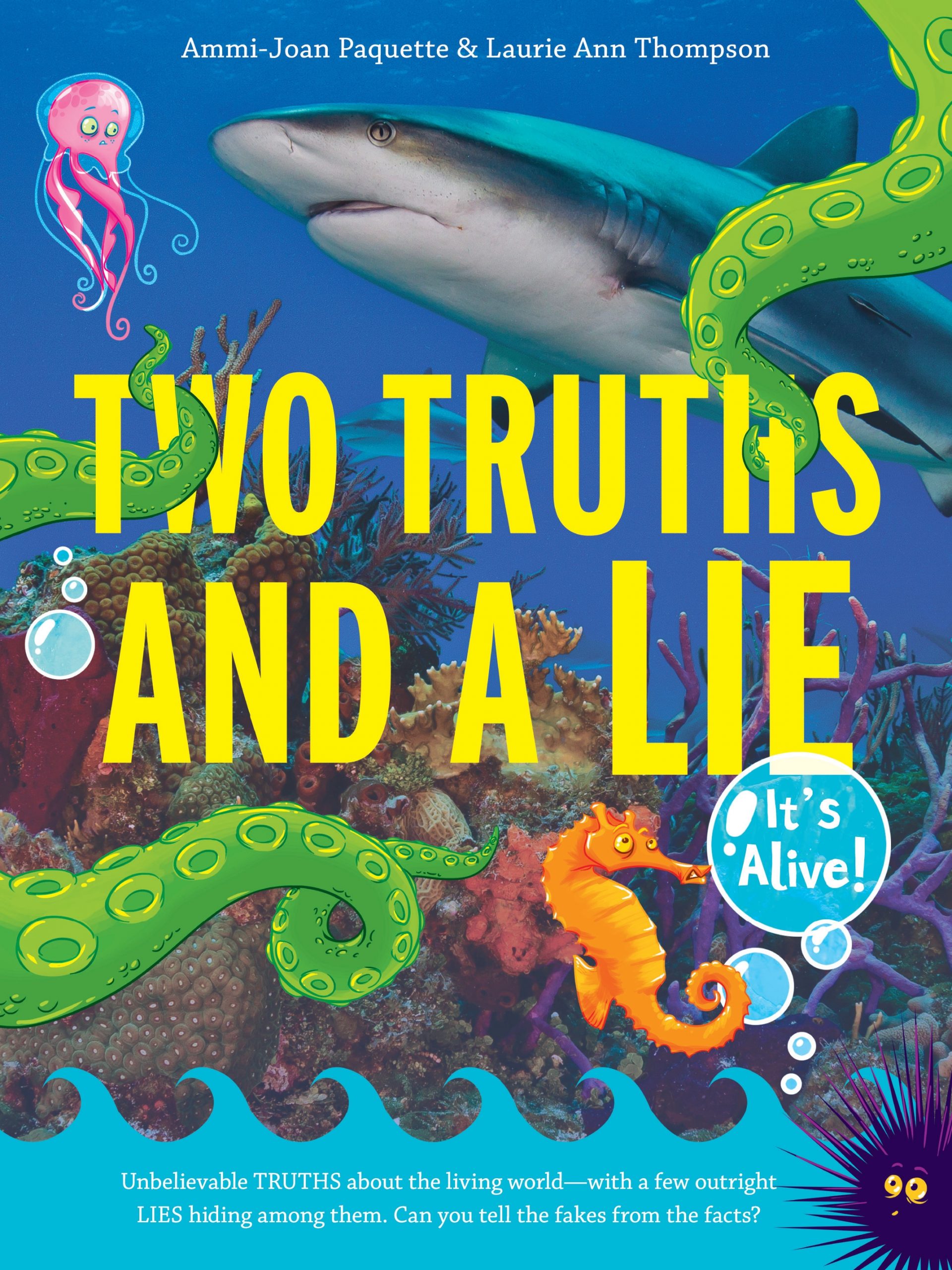
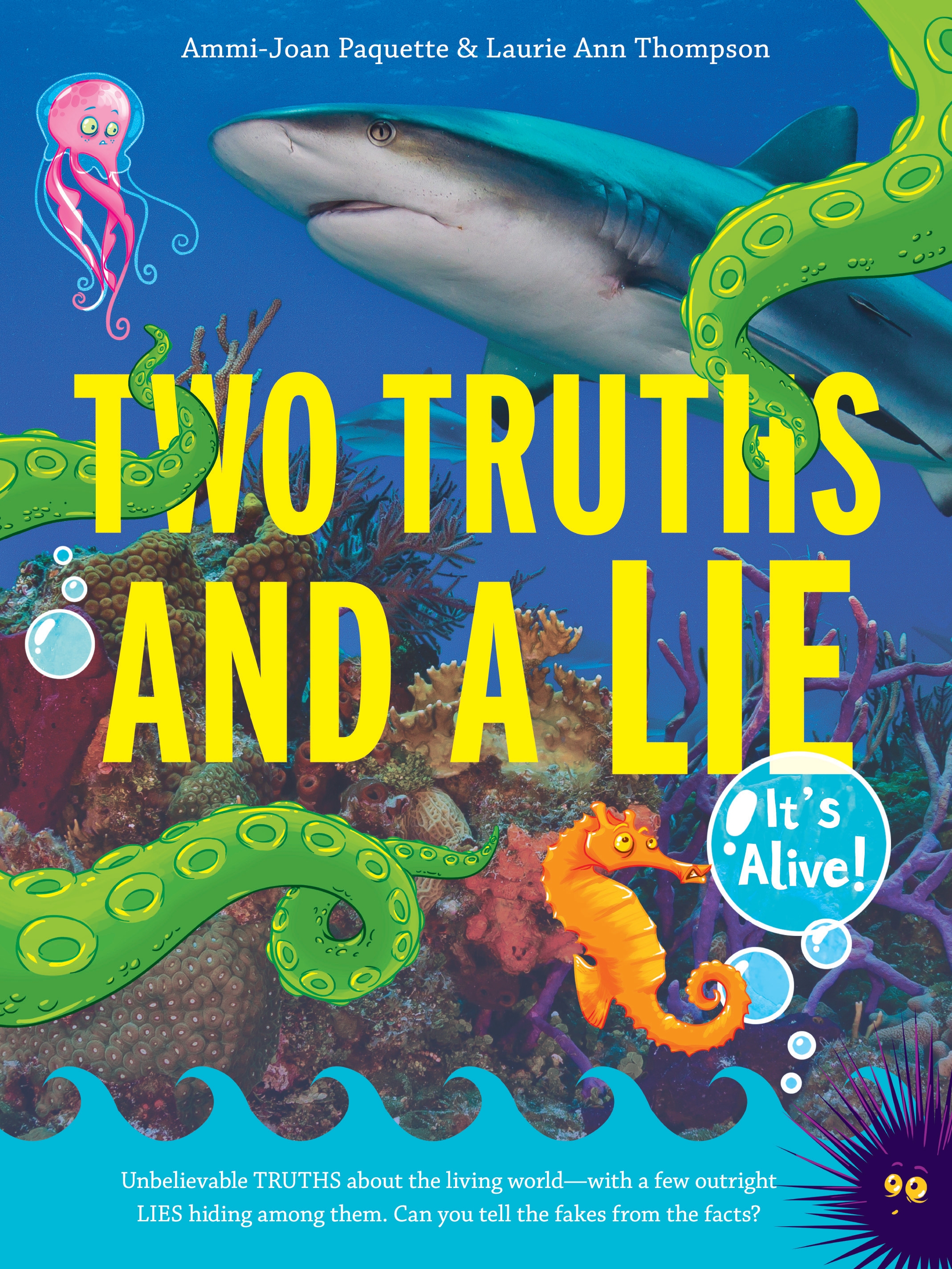
  • Non­fic­tion: Poi­son by Sarah Albee; Two Truths and a Lie: It’s Alive! by Lau­rie Ann Thomp­son and Ammi-Joan Paquette
  • Mys­tery: The World’s Great­est Detec­tive by Car­o­line Carlson
  • Humor: This is Just a Test by Wendy Wan-Long Shang and Made­lyn Rosenberg
  • His­tor­i­cal: Bob­by Lee Clare­mont and the Crim­i­nal Ele­ment by Jean­nie Mob­ley; The Last Grand Adven­ture by Rebec­ca Behrens (com­ing 3/18)
  • Fan­ta­sy: The Changelings and In a Dark Land by Christi­na Soontornvat

TD: I could go on and on, but I’ll stop myself there!
LAT: Thanks for the shout-out for Two Truths and a Lie: It’s Alive!, Tara. (I swear, I did NOT put her up to that!) And thank you so much for vis­it­ing today and answer­ing all of my ques­tions. I’ll be rec­om­mend­ing The Great Hiber­na­tion far and wide, and I wish you much con­tin­u­ing suc­cess in ALL of your endeavors! 
Find out more about The Great Hiber­na­tion by Tara Dair­man here. And leave a com­ment below for a chance to win your own copy!


UPDATE: The give­away win­ner is Jen­naO! Con­grat­u­la­tions, JennaO!!

How #ChangemakerEd is improving #BacktoSchool

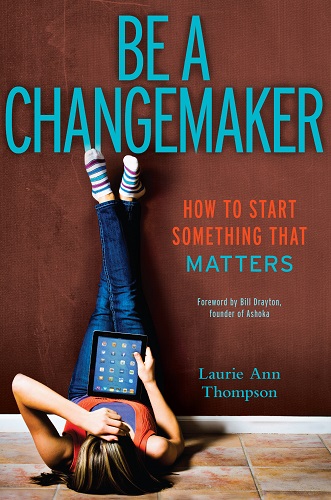
Be a Changemaker cover

I came across an inter­est­ing arti­cle on Medi­um the oth­er day. It talks about “reimag­in­ing edu­ca­tion in this his­toric time of change” and the impor­tance of #Change­mak­erEd, the glob­al move­ment to empow­er young peo­ple to cre­ate a bet­ter world by mas­ter­ing empa­thy and iden­ti­fy­ing as changemakers.
#ChangemakerEd book "Be a Changemaker" coverThis move­ment isn’t new, but it is grow­ing. And as the author of BE A CHANGEMAKER: HOW TO START SOMETHING THAT MATTERS, I could­n’t be hap­pi­er. Through my work with stu­dents and teach­ers based on my book, I have seen it first­hand time and time again. Once stu­dents real­ize they CAN be change­mak­ers, their whole out­look on life changes. Sud­den­ly they see prospects and oppor­tu­ni­ties they could­n’t have even imag­ined before. And it goes far beyond the indi­vid­ual stu­dents them­selves, of course. As it says in the article:

The key fac­tor for suc­cess for every com­mu­ni­ty — be it a com­pa­ny, a city or a coun­try — is the pro­por­tion of its pop­u­la­tion who are change­mak­ers. A col­lec­tive abil­i­ty to address com­plex social prob­lems — and to antic­i­pate future ones — is para­mount to pos­i­tive­ly shap­ing our world.”

#Change­mak­erEd schools and edu­ca­tors are lead­ing the charge to pre­pare today’s young peo­ple for exact­ly that kind of suc­cess by help­ing them gain the knowl­edge, prac­tice the skills, and feel the sense of pur­pose that is nec­es­sary for them to thrive as glob­al cit­i­zens and have a pos­i­tive impact on their com­mu­ni­ties. Along with the core sub­jects, more and more teach­ers are also teach­ing their stu­dents to have empa­thy, be thought­ful, be cre­ative, take action, lead the way, and col­lab­o­rate with oth­ers, while allow­ing them to apply their edu­ca­tion to real-world prob­lems right now.
Inter­est­ed? Read the full arti­cle here to find out more about this impor­tant move­ment, and watch this inspir­ing video about one #Change­mak­erEd high school in Arizona:

 
And, of course, check out BE A CHANGEMAKER for inspi­ra­tion, real-life exam­ples, and tons of prac­ti­cal how-to advice that teens can start putting to use imme­di­ate­ly, whether they have access to #Change­mak­erED in their own school or not!

Review: POISON by Sarah Albee

POISON interior

POISON cover

POISON: DEADLY DEEDS, PERILOUS PROFESSIONS, AND MURDEROUS MEDICINES
by Sarah Albee
Pen­guin Ran­dom House/September 05, 2017
Mid­dle Grade (8–12), 192 pages

Here’s what the pub­lish­er says:

Sci­ence geeks and arm­chair detec­tives will soak up this non-lethal, humor­ous account of the role poi­sons have played in human his­to­ry. Per­fect for STEM enthusiasts!
For cen­turies, peo­ple have been poi­son­ing one another—changing per­son­al lives and the course of empires alike.
From spurned spous­es and rivals, to con­demned pris­on­ers like Socrates, to endan­gered emper­ors like Alexan­der the Great, to mod­ern-day lead­ers like Joseph Stal­in and Yass­er Arafat, poi­son has played a star­ring role in the demise of count­less indi­vid­u­als. And those are just the delib­er­ate poi­son­ings. Med­ical mishaps, greedy “snake oil” sales­men and food con­t­a­m­i­nants, poi­so­nous Pro­hi­bi­tion, and indus­tri­al tox­ins also impact­ed millions.
Part his­to­ry, part chem­istry, part who­dunit, Poi­son: Dead­ly Deeds, Per­ilous Pro­fes­sions, and Mur­der­ous Med­i­cines traces the role poi­sons have played in his­to­ry from antiq­ui­ty to the present and shines a ghoul­ish light on the dead­ly inter­sec­tion of human nature … and Moth­er Nature.

The pro­fes­sion­al review­ers have weighed in favorably:

“[Albee’s] light tone makes this mor­bid, well-researched study a sin­is­ter indul­gence.“—Book­list starred review

“A com­pelling, enter­tain­ing, and infor­ma­tive intro­duc­tion to a sin­is­ter aspect of human his­to­ry.” Kirkus Reviews
“There’s plen­ty of mate­r­i­al here to delight fans of [Geor­gia] Bragg’s pop­u­lar How They Croaked.” —The Bul­letin
“Ide­al for read­ers, includ­ing reluc­tant ones, who delight in the sci­ence and scare fac­tor of poi­sons or grotesque med­i­cine.” —School Library Journal

And here are my thoughts:
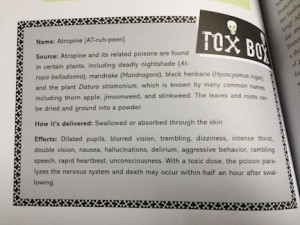
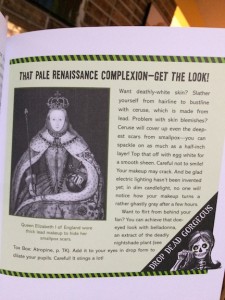
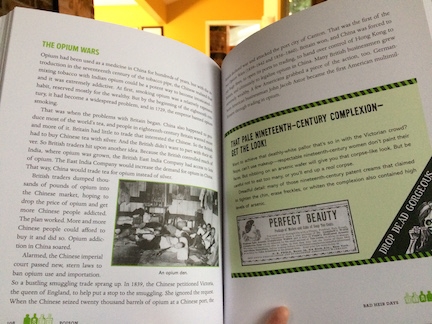
This book is deli­cious­ly dark fun! Sarah Albee’s POISON is the per­fect mix of sci­ence, his­to­ry, mys­tery, and enter­tain­ment, and read­ers of many dif­fer­ent gen­res will be thor­ough­ly engaged by this book. I know I was! From ancient times to today (and beyond!), Albee shows us how poisons–both nat­ur­al and man-made–have affect­ed humans lives and cul­ture. The facts are shock­ing and fas­ci­nat­ing, but bro­ken down in a way that makes them acces­si­ble. There’s also a ton of humor to bal­ance the heavy sub­ject mat­ter, with puns and sar­casm galore, espe­cial­ly in the titles and cap­tions. And all of it is tied togeth­er with a com­pelling design fea­tur­ing side­bars, pull­outs, pho­tos, and illus­tra­tions. There are also some seri­ous non­fic­tion fea­tures, includ­ing a table of con­tents, author’s note, acknowl­edge­ments, notes, select­ed bib­li­og­ra­phy, research guide, index, and more. A high­ly rec­om­mend­ed mid­dle-grade nonfiction!
Here are some inte­ri­or views to give you a bet­ter sense of what you can expect:
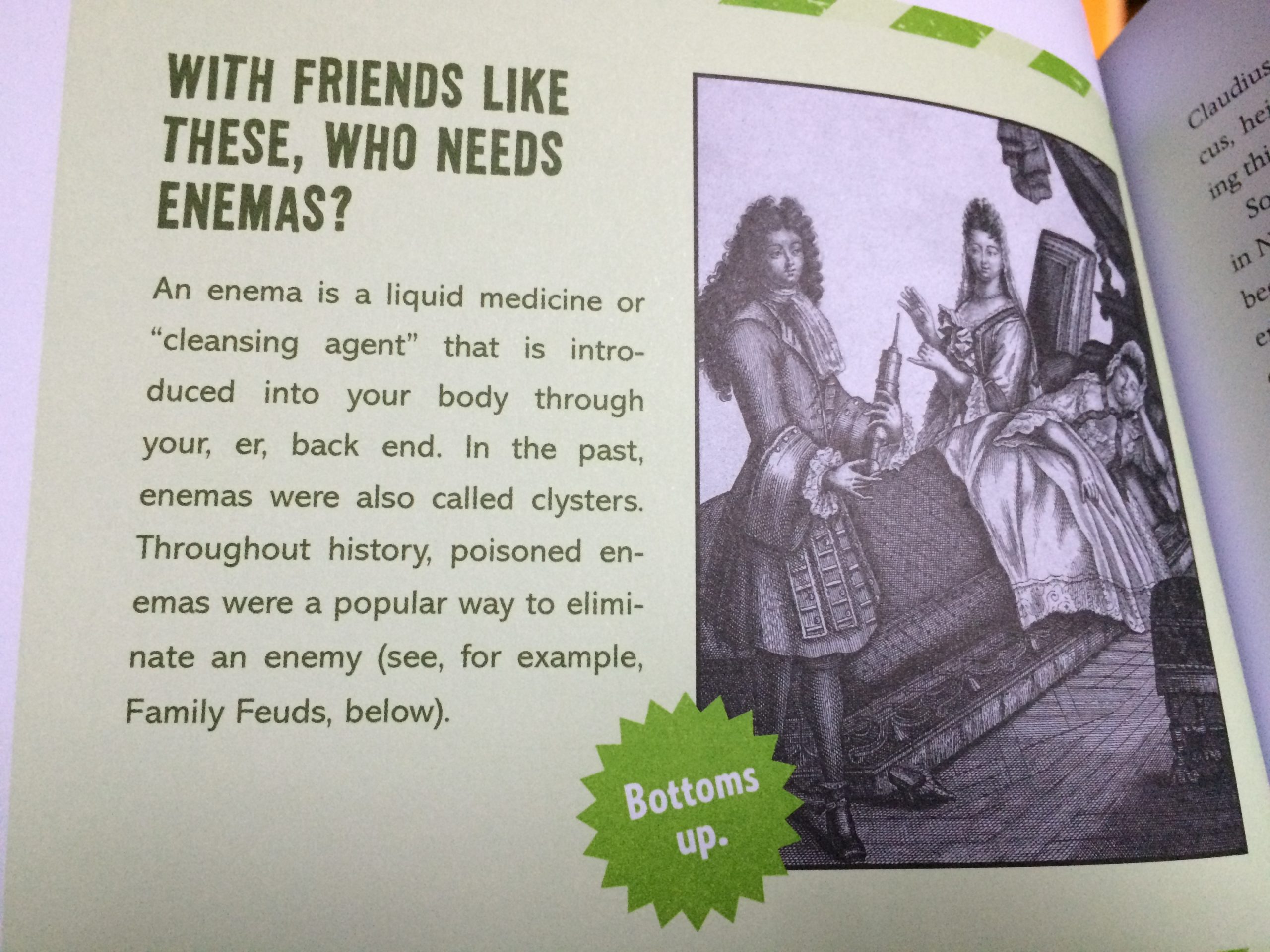
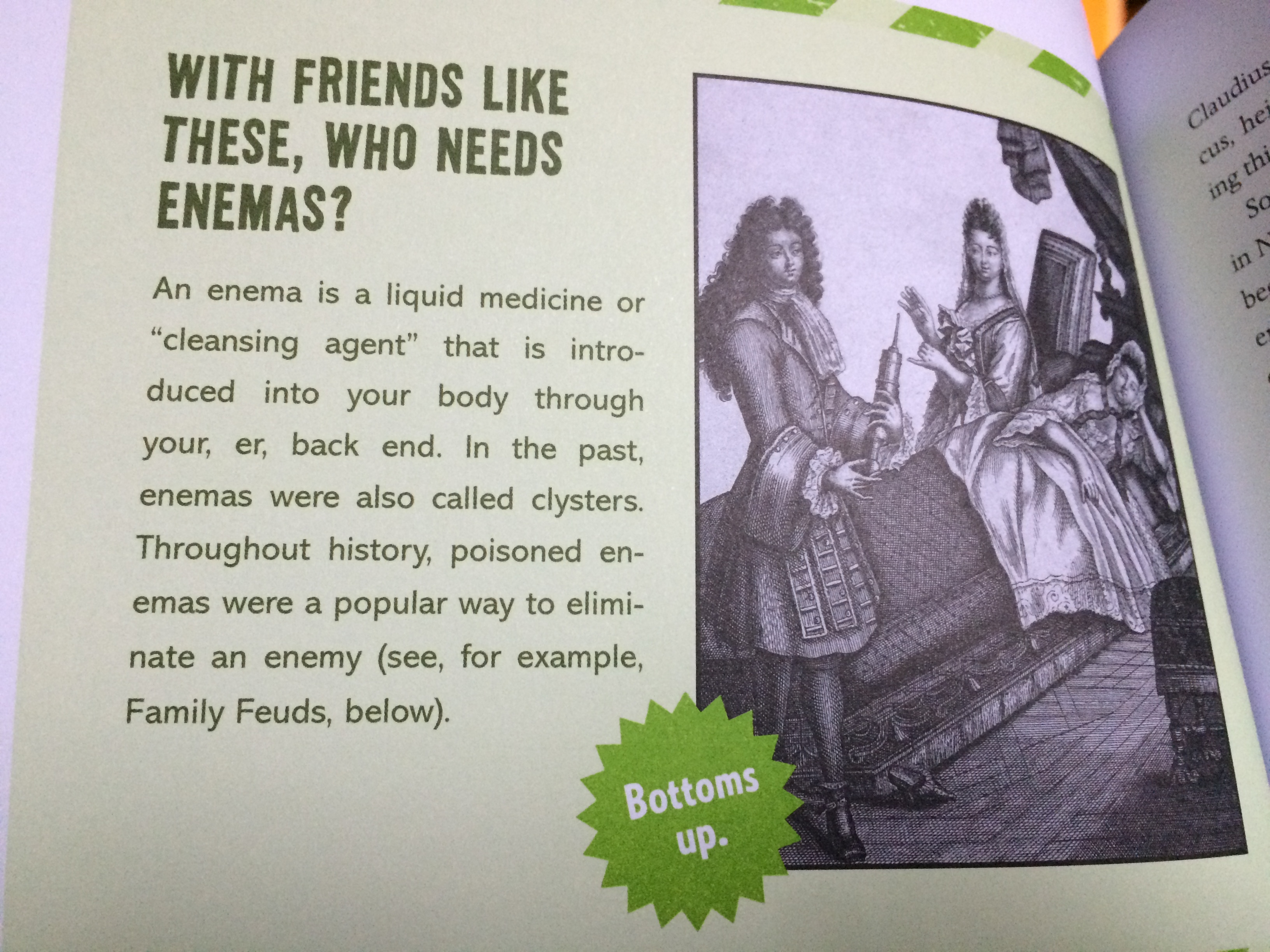
POISON interiorPOISON interior 2 POISON interior 3 POISON interior 4POISON interior 5POISON interior 6
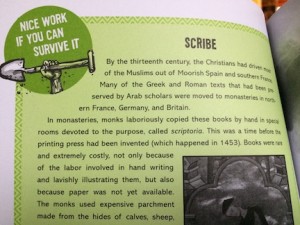
And yes, if you’re won­der­ing, this review is per­fect for Labor Day! One of my favorite fea­tures of the book was the “Nice Work if You Can Sur­vive It” side­bars, which told of var­i­ous pro­fes­sions through­out the ages where peo­ple were actu­al­ly poi­soned by their jobs (did you know mad hat­ters were mad because of the chem­i­cals used for felt­ing?). Sober­ing, to say the least. And it made me even more grate­ful for reg­u­la­tions that pro­tect work­ers from unscrupu­lous busi­ness owners!
Be sure to check out Sarah’s oth­er great books, too!
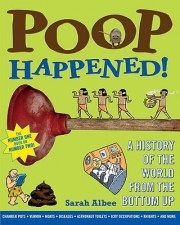
Why'd They Wear That? cover BUGGED cover POOP HAPPENED cover

Photos from the Two Truths and a Lie launch party

Okay, so it’s been more than a month since the launch par­ty for Two Truths and a Lie: It’s Alive!, and this post is _way_ over­due. In my defense, we’ve been hard at work on the sec­ond book in the series, and a writer has to have her pri­or­i­ties, right? Alright, so per­haps there’s no rea­son­able excuse for how neglect­ed my poor blog has been late­ly, but I’m vow­ing to try to do bet­ter going for­ward. And I def­i­nite­ly want to share some of the high­lights from the launch par­ty, so in the bet­ter-late-than-nev­er cat­e­go­ry, here we go! =D
First, the cake! In the flur­ry of activ­i­ty get­ting ready for a launch par­ty, I always for­get to take a pic­ture of the cake at the actu­al event, so this time I took a pic­ture of it in the shop­ping cart when I picked it up. It’s a good thing, too, because this is, sad­ly, the only pic­ture I have of it.
the launch party cake
There were also gluten-free cup­cakes with dec­o­ra­tions that said, “The cake is a lie.” (That’s a geeky gamer ref­er­ence, in case you haven’t heard it before.)
Before we even start­ed the actu­al launch par­ty event, I got to sign a book for a brand-new fan who just hap­pened to be in the store when we start­ed set­ting things up. Fun!
signing for a new fan
After thank­ing every­one who helped make this book pos­si­ble (in broad strokes, because I could go on all day!), I did a lit­tle read­ing from the book. (You can’t have a launch par­ty with­out a read­ing, right?) Since we were in a book­store sur­round­ed by books, I select­ed the sto­ry about book scor­pi­ons and book lice. What are those, you ask? You’ll have to read the book! And then you’ll have to decide if they’re real or not. 😉
a reading from chapter 4
Then we played a game show-style quiz game, using our smart phones. To my immense relief, it worked! Peo­ple could answer using their devices and the sys­tem would let me see who answered the most ques­tions the fastest.
setting up the game
Kevan won the first prize–a Big­foot Air Fresh­en­er for his car. (Is Big­foot a truth or a lie?)
Kevan wins a Bigfoot air freshener
She looks wor­ried! I won­der what was in her bag? Ah, yes… I think it was the Grou­cho Marx Dis­guise Glass­es (so she can fake her identity).
what will she win?
Dan was so excit­ed to see what he won that he ripped open the bag and sent his prize fly­ing halfway across the store! For­tu­nate­ly, it did­n’t hit any­one. If I recall cor­rect­ly, he got the Enchant­ed Uni­corn Ban­dages. (Are uni­corns real?)
Dan launched his launch party prize
This young guest was clear­ly thrilled to win the Glow-in-the-Dark Jel­ly­fish Orna­ment! (It’s as close as I could get to a Pacif­ic North­west tree octo­pus (see chap­ter 5) or the Praya dubia (chap­ter 6).
winner of the glow-in-the-dark jellyfish
What did Lau­ra Moe win? Was it the Dr. McPhee’s Snake Oil Soap? I think so!
what did Laura win?
And, final­ly, the grand prize win­ner… Alan won his very own Mike the Head­less Chick­en (see chap­ter 5)! For­tu­nate­ly, this one is just plas­tic and does­n’t require food and water through an eye dropper.
Alan with Mike the Headless Chicken
It was a great launch par­ty and such a mem­o­rable day. Thank you again to every­one who helped make this book hap­pen, to Secret Gar­den Book Shop for host­ing my launch par­ty yet again, to Cur­tis Man­ley for catch­ing all of these fan­tas­tic pho­tos for me (except the cake in the shop­ping cart, of course), and to every­one who came to the event. I love being part of such a sup­port­ive com­mu­ni­ty of writ­ers, book­sellers, and readers! 💙

The Two Truths and a Lie: It’s Alive! Blog Tour Wrap-Up

Two Truths and a Lie blog tour header

Two Truths and a Lie blog tour header
Pri­or to its release date on June 27th (TOMORROW!!), many peo­ple worked real­ly hard to put togeth­er an amaz­ing blog tour for the launch of my newest book (with Ammi-Joan Paque­tte), Two Truths and a Lie: It’s Alive! The tour includ­ed reviews, excerpts, inter­views, give­aways, and more. Here’s a roundup of all of the great posts that were part of the offi­cial tour (links will go direct­ly to the rel­e­vant post):

There were also a few that weren’t part of the offi­cial blog tour, but that put up awe­some posts dur­ing the same time frame, so I want­ed to high­light those as well:

I’m extreme­ly grate­ful to each and every one of these blog­gers for help­ing to get the word out about our new book in par­tic­u­lar, of course, but also just for shar­ing their love of books and writ­ing in gen­er­al. I hope you’ll stop by and check out all of their won­der­ful blogs! ❤️
 

7th Graders Changing the World

I recent­ly came across this arti­cle about some 7th graders from Owas­so, Okla­homa. It says, in part:

Sev­er­al read­ing stu­dents at the Owas­so Sev­enth Grade Cen­ter recent­ly par­tic­i­pat­ed in the school’s first “Be a Change­mak­er” program.
The pro­gram – based off Lau­rie Ann Thompson’s book, “Be a Change­mak­er: How to Start Some­thing That Mat­ters” – enabled stu­dents to affect change in their class­rooms and the com­mu­ni­ty through dif­fer­ent pas­sion projects.
Eighty six stu­dents across five class­es com­bined what they like, what they’re good at, and a prob­lem they felt pas­sion­ate about to cre­ate a cam­paign that would make a last­ing impact in that area.
Lan­guage Arts teacher Amber McMath, who led the two-week pro­gram, used the premise of “Be a Change­mak­er” as the foun­da­tion for the course, designed to help stu­dents in read­ing reme­di­a­tion improve their skills.
“They’re only assign­ment was to come up with a ven­ture that would change the world,” she said. “The book inspired us to do that because it had sev­er­al projects in it, and it also was kind of a guide that walked you through how to do it.”

The kids addressed bul­ly­ing at their school, start­ed a video game club, col­lect­ed food for a home­less shel­ter, and raised aware­ness of issues includ­ing human traf­fick­ing and food waste. They engaged in pub­lic speak­ing events and social media cam­paigns, wrote meet­ing agen­das and press releas­es, con­tact­ed busi­ness­es to ask for help, and researched grants and oth­er crowd-sourc­ing out­lets to raise funds.
Way to go, Owas­so 7th graders (and their awe­some lan­guage arts teacher, Ms. McMath)!
Read the full arti­cle and see a pho­to here.

Launch Party for Two Truths and a Lie: It’s Alive!

Two Truths and a Lie cover

Please join me for the West Coast Launch Party for
TWO TRUTHS AND A LIE: IT’S ALIVE!


Sunday, June 25th, at 2 p.m.


A trivia-style game-show challenge… with prizes!

Q&A, exclusive behind-the-scenes gossip, and outtakes!

Book swag!

Charitable giving!

Free snacks and drinks!

Books, books, and more books!


Where, you ask?

Secret Garden Books
2214 NW Market Street
Seattle, WA 98107
206–789-5006

(Click here for directions.)

** Come ear­ly to enjoy the fab­u­lous Bal­lard Farm­ers Mar­ket before the event!

If you can’t make it to the par­ty but would like to pre-order a signed copy, please vis­it http://www.secretgardenbooks.com/book/9780062418791 and put the ded­i­ca­tion info in the Order Com­ments box. Thanks! =D

NEWSLETTER
SIGN-UP