I Facebook Friended an Albatross!

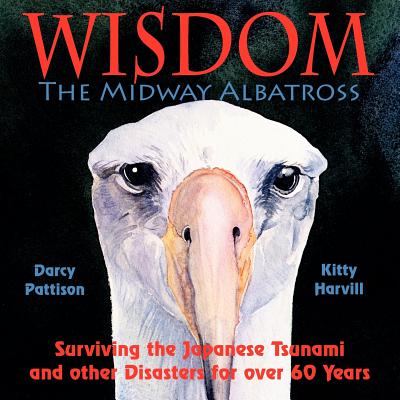
Wis­dom, the Mid­way Albatross
by Dar­cy Pat­ti­son (illus­trat­ed by Kit­ty Harvill)
Mim’s House, Feb­ru­ary 1, 2012
32 pages
Read­ing lev­el: 840L (grades 3–5)
How does a bird in the mid­dle of the Pacif­ic Ocean sur­vive the 2011 Japan­ese tsuna­mi and oth­er dan­gers for over 60 years? No one real­ly knows, but we do know for sure that Wisdom–the old­est known wild bird in the world–has.
This book intro­duces young read­ers to a sin­gle very spe­cial mem­ber of a large­ly unfa­mil­iar species, the Laysan Alba­tross. Through this riv­et­ing sur­vival sto­ry we not only grow to care about Wis­dom her­self, we also learn about the life cycle, habi­tat, and behav­ior of her kind. We see the many dan­gers they face, both nat­ur­al and man-made. We learn how sci­en­tists are care­ful­ly study­ing them. And we cheer for the par­tic­u­lar­ly resilient gooney bird who is even­tu­al­ly dubbed Wisdom.
Pat­ti­son does a great job of incor­po­rat­ing rhythm and rep­e­ti­tion to make this an excel­lent choice for young read­ers and read alouds, and Harvil­l’s art is both beau­ti­ful and detailed, adding to the sto­ry and bring­ing Wis­dom to life on every page. Chil­dren will be quick­ly swept up in the dra­ma and sus­pense of Wis­dom’s tri­als and will keep read­ing (or lis­ten­ing) to find out what hap­pens to her next. Then, they’ll sigh with relief at the hap­py end­ing when Wisdom–somehow–still survives.
The book also includes acknowl­edge­ments, a Facts About Wis­dom sec­tion, The Old­est Bird in the World time­line, a Typ­i­cal Year for a Laysan Alba­tross time­line, a fur­ther read­ing list, and sec­tions about both the author and illus­tra­tor. In addi­tion, there’s a blog with lots of videos, pic­tures, and addi­tion­al resources for stu­dents and teachers.
Yes, after read­ing this, I just had to become Face­book friends with Wis­dom her­self. Click here if you want to be, too!
Make sure to check out the oth­er stops on Wis­dom’s blog tour:


To check out the rest of today’s roundup of sci­ence, tech­nol­o­gy, engi­neer­ing, and math­e­mat­ics books for kids, head on over to this week’s STEM Fri­day host, NC Teacher Stuff!
(Dis­claimer: I received a copy of this book from the pub­lish­er in exchange for my hon­est review. I received no mon­e­tary com­pen­sa­tion. All opin­ions expressed here are mine and mine alone.)

Interview with author Cynthia Levinson

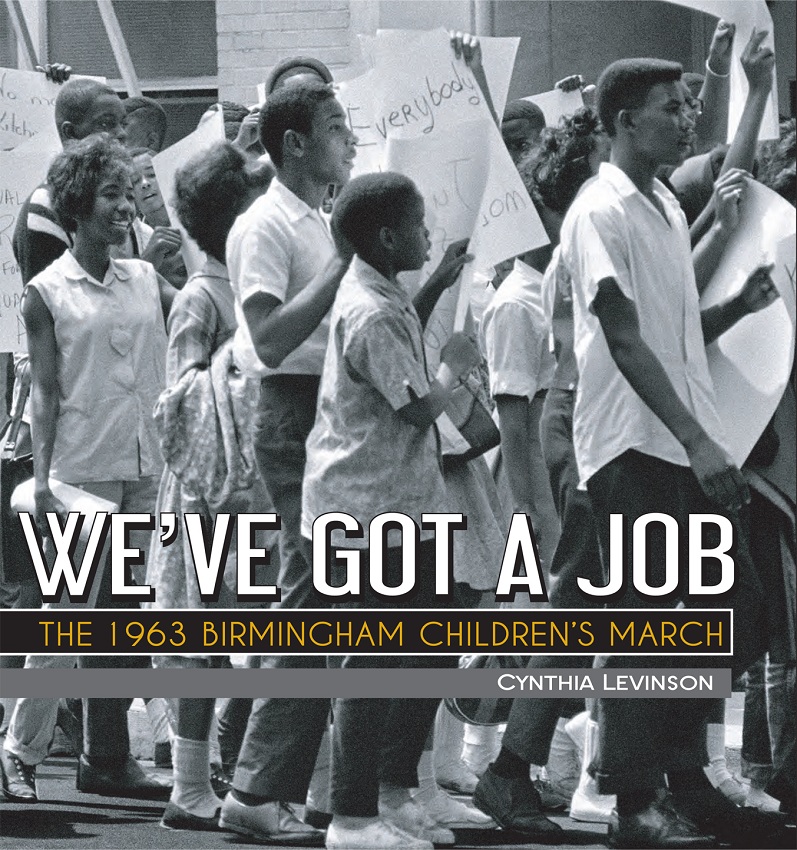
A few weeks ago I post­ed this review of Cyn­thia Levin­son’s amaz­ing mid­dle-grade non­fic­tion book, WE’VE GOT A JOB. Now, I’m thrilled to wel­come Cyn­thia her­self  here to talk about it!

LT: Hi Cyn­thia! One of the first things I noticed about WE’VE GOT A JOB was how thor­ough­ly researched it is. What was the hard­est part of the research and/or writ­ing for you? 
CL: The hard­est part, one which his­to­ri­ans and researchers on many mat­ters face, was fig­ur­ing out what to do about con­tra­dic­to­ry infor­ma­tion. One per­son remem­bered that the events of the Children’s March in Birm­ing­ham, Alaba­ma start­ed on one day; anoth­er was sure it was a dif­fer­ent day. One per­son knew that Dr. King spoke to him at the church; oth­ers said King was else­where. A third per­son was def­i­nite that she was arrest­ed for pick­et­ing on a par­tic­u­lar day when oth­er sources indi­cat­ed that no arrests occurred that day.
LT: How did you deal with that?
CL: I don’t at all blame my respon­dents! The events I was ask­ing them about took place near­ly 50 years ago at a time when they were both young and fright­ened. Deter­min­ing the facts required so much effort that I wrote an entire Author’s Note about it.
LT: How com­plete was the book when you sent it out?
CL: Because this was my first book, I went over­board what I sub­mit­ted to my agent! At the same time, because this was a work of non­fic­tion, which, unlike fic­tion, doesn’t need to be com­plete, I sub­mit­ted a pro­pos­al, rather than a full man­u­script. But, what a proposal!
CL: It con­sist­ed of five com­plete draft chap­ters, a nar­ra­tive out­line with almost half a page of text for each unwrit­ten chap­ter, a four-page bib­li­og­ra­phy, many pages of foot­notes, sources and costs of pho­tographs, and, prob­a­bly, a par­tridge in a pear tree. I’ve since learned that this much prep is not nec­es­sary. But, I wasn’t sor­ry that I had done so much work in advance of sub­mis­sion. The out­line was sol­id enough that it struc­tured the final book, even after many tex­tu­al edits. And, the pro­pos­al sold the book—eventually.
LT: What else have you learned as a result of writ­ing this book? 
CL: As a sea­soned writer for qual­i­ty non­fic­tion children’s mag­a­zines, I was used to doing mam­moth amounts of research that nev­er make it into the final prod­uct, orga­niz­ing reams of mate­r­i­al, writ­ing suc­cinct­ly, etc. What turned out to be new with this book is the human element.
CL: Not that I hadn’t writ­ten about peo­ple before. I had—William Kamk­wam­ba, for instance, who brought elec­tric­i­ty to his vil­lage in Malawi; Mar­ti­na Zurschmiede, the youngest mem­ber of the Swiss Lace Mak­ing Asso­ci­a­tion; Nathan Wolfe, who is search­ing for and try­ing to pre­vent the next pan­dem­ic. But, with short pieces of 500–800 words, you’re look­ing at the facts of what peo­ple are doing. With a book, I dis­cov­ered that I also need­ed to delve into people’s moti­va­tions, into the pas­sions or fears that pro­pel them to do what they do.
CL: Fer­ret­ing out these fac­tors entailed ask­ing prob­ing, inti­mate ques­tions. “How did your moth­er beat you?” “Why did you lie to your par­ents?” Invari­ably, I learned, when my respon­dents low­ered their voic­es, when they whis­pered to me, even though we were the only ones talk­ing, they were reach­ing deep inside themselves.
LT: What sur­prised you the most dur­ing the process?
CL: Because I had nev­er writ­ten a non­fic­tion book for chil­dren before—or, any book—the entire process sur­prised me. The time that I was most tak­en aback occurred when one of my inter­vie­wees, James, ques­tioned me! He want­ed to know why I was inter­est­ed in writ­ing this book, what I would do with the infor­ma­tion he shared, would I pay him. These are per­fect­ly rea­son­able and under­stand­able ques­tions. But, I thought I was the question-asker!
LT: I’ve always said that I will know I’ve made it when I receive one let­ter from one child say­ing that some­thing I wrote made a pos­i­tive dif­fer­ence in his or her life. How do you define success?
CL: I love this def­i­n­i­tion, Lau­rie. I hope this hap­pens to me—because, like you, I hope it hap­pens to a child who reads our work. My def­i­n­i­tion of suc­cess is very par­tic­u­lar to this book.

CL: When peo­ple who have even pass­ing knowl­edge of the civ­il rights move­ment hear “Birm­ing­ham,” they gen­er­al­ly and imme­di­ate­ly think of the church bomb­ing in which four girls were mur­dered. I hope that We’ve Got a Job: The 1963 Birm­ing­ham Children’s March will change their per­cep­tion. I would like for read­ers to asso­ciate “Birm­ing­ham” not just with the tragedy of vic­tim­ized chil­dren but also with chil­dren who took a stand, chang­ing Amer­i­ca with their deter­mi­na­tion and fortitude.
LT: And I’m sure they will! It’s impos­si­ble to read WE’VE GOT A JOB and not be touched both by what those chil­dren went through and what they accom­plished. Thank you for writ­ing such an impor­tant, pow­er­ful book, Cyn­thia, and thanks so much for shar­ing this behind-the-scenes view of it with me! 

Today’s Non­fic­tion Mon­day Round-up is being host­ed at The Chil­dren’s War.

Interview with author Kelly Milner Halls

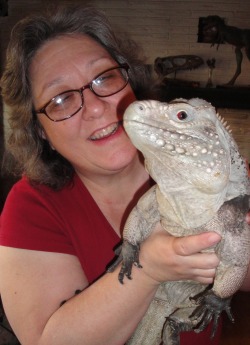
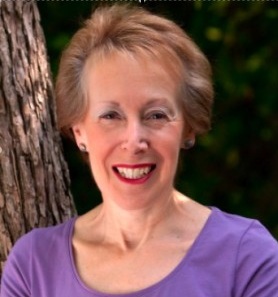
photo of Kelly Milner Halls with her iguana

A few weeks ago, I post­ed this review of Kel­ly Mil­ner Halls’ most recent book, IN SEARCH OF SASQUATCH. Kel­ly was kind enough to fol­low up that review with an incred­i­ble inter­view about the book and her writ­ing career. Please help me wel­come author Kel­ly Mil­ner Halls!
photo of Kelly Milner Halls with her iguana
LT:  Hi Kel­ly, and thank for com­ing! I guess I have to start with the obvi­ous, though I’m fair­ly con­fi­dent I know the answer from read­ing the book: Do you believe in Sasquatch?
KMH:  I do not believe, 100%, that Sasquatch is real. I tend to be skep­ti­cal by nature—the jour­nal­ist in me. But I believe there are some very con­vinc­ing bits of evi­dence that sug­gest SOMETHING is out there—an ani­mal we haven’t yet defined and don’t real­ly under­stand. Too many reli­able peo­ple have wit­nessed too many amaz­ing things to ignore them.
LT:  What was/were the hard­est things about research­ing and/or writ­ing this book? How did you deal with that?
KMH:  I want­ed to be sure my wit­ness­es and experts were seri­ous peo­ple, not peo­ple who want­ed fame or glo­ry. There is noth­ing wrong with fame or glo­ry, but I want­ed peo­ple who were fact-cen­tered, so that required some hard work. I think I found good inter­view sub­jects to meet that stan­dard. Hope so.
LT:  Dur­ing your research, did any­thing sur­prise you, catch you off guard, or make you change your planned course for the book?
KMH:  The fact that Scott Nel­son believes Sasquatch may have its own lan­guage absolute­ly blew my socks off. His rea­son­ing is so clear and log­i­cal, it almost make my head explode. If that’s true, that’s a rea­son to pro­tect the “maybe” primate.
LT:  Did you do all the pho­to research for the book too? Can you tell us about that process?
KMH:  I took a num­ber of the pho­tos, but a won­der­ful Sasquatch inves­ti­ga­tor named Paul Graves from Yaki­ma, WA, was extreme­ly gen­er­ous about shar­ing his field pho­tographs for the book. He is also a musi­cian who writes Sasquatch songs, and he’s fea­tured in the book. But he was very gen­er­ous, and I’m grateful.
LT: How do you man­age all of your research for a book like this? What’s your orga­ni­za­tion­al sys­tem? Does it evolve over the course of a project?
KMH:  I keep elab­o­rate, well-backed up com­put­er files about each sub­ject, each top­ic, each chap­ter, so I can find my notes with ease. And there are so many notes. I read a dozen books, did more than two dozen inter­views and col­lect­ed dozens of images for this book. It was hard but amaz­ing work. It’s what I love to do.
LT:  How have your research and writ­ing process­es evolved over the course of your career?
KMH:  As my chil­dren have grown into adult­hood, I have been able to trav­el more to get my infor­ma­tion first-hand, rather than on the tele­phone. Hav­ing both field and phone time real­ly adds rich­ness to the books I write and the pre­sen­ta­tions I give.
LT: How much time did you spend research­ing this par­tic­u­lar book over­all, and how long did it take to write the book? Is that typical?
KMH:  Most of my books take between three and five years to research, then anoth­er year to write. I don’t like to rehash mate­r­i­al that already exists. I like to present new infor­ma­tion when­ev­er pos­si­ble and that takes time and effort.
LT: How do you know when a book is “done” and ready to send to your agent or editor?
KMH:  The book isn’t even close to done when I send it to my edi­tors or agent. It’s a pro­pos­al. It maps out how I see the book once it’s com­plete and gives us all a place to start. But the book evolves con­sid­er­ably as we work togeth­er as a time. I’m sell­ing a con­cept that will change and improve as we all work on it, and that’s the mag­ic of the edi­to­r­i­al process.
LT:  Are there any oth­er tips you would like to share with aspir­ing children’s book writ­ers, espe­cial­ly those writ­ing non­fic­tion for kids?
KMH:  Watch for the top­ics that YOU find most engag­ing and con­sid­er offer­ing them up to young read­ers. Your excite­ment, your sense of won­der will show through every word you write and the kids will feel the human con­nec­tion. If you are not excit­ed about your top­ic, that lack of enthu­si­asm will be just as clear to the young read­ers. So write about things the excite you. You’ll give the kids a rea­son to be excit­ed, too.
LT:  I think every book teach­es us some­thing new, about the world, about our­selves, or about the craft of writ­ing. What have you learned as a result of writ­ing this book? What sur­prised you the most dur­ing the process?
KMH:  I have learned that we for­get our human­i­ty when it comes to ani­mals at times. But we can also renew it. The more you know about even an unknown crea­ture, the hard­er it is to sim­ply dis­re­gard or dis­re­spect it. It’s like my pet chick­ens. I can eat grilled chick­en with­out a blink of an eye. I love chick­en din­ner. But I could nev­er even con­sid­er eat­ing my pet chick­ens. You work hard­er not to hurt the things you under­stand well. Knowl­edge, explo­ration, is the key to more love, less hate. That is con­firmed every time I write a book and share it with kids.
LT:  I’ve always said that I will know I’ve made it when I receive one let­ter from one child say­ing that some­thing I wrote made a pos­i­tive dif­fer­ence in his or her life. How do you define suc­cess? Do you feel like you’ve achieved it? If not, what’s left on your to-do list?
KMH:  I used to yearn for the day when I’d win a major non­fic­tion book award. Years went by, and it did­n’t hap­pen. Then I start­ed meet­ing kids—many of them boys, but girls too—who loved my books, kids who said I was their favorite author. I start­ed hear­ing sto­ries about kids who clung to my books like life jackets—kids who drew com­fort from MY books, award-win­ning or not. After that starts to hap­pen reg­u­lar­ly, you real­ize awards are love­ly, but the real mea­sure of suc­cess are those read­ers and their abil­i­ty to feel a lit­tle less alone because of some­thing you’ve giv­en them. That’s how I mea­sure suc­cess. If I have made your child’s life a lit­tle kinder, a lit­tle safer, I am the luck­i­est writer on earth.
LT:  What do you like to do when you’re not research­ing and/or writing?
KMH:  I am always writ­ing, so that’s a hard ques­tion. I do a LOT of school vis­its, which I love. I paint, I meet with friends, I work for my friend Chris Crutch­er, I walk my dog and take care of my lizard. I sleep now and then, when time per­mits. : ) Life is crazy busy, but good.
LT:  What are you work­ing on now?
KMH:  I’m fin­ish­ing a book on ani­mal res­cues for Nation­al Geo­graph­ic called TIGER IN TROUBLE. I’m putting togeth­er anoth­er YA anthol­o­gy for Chron­i­cle Books—just got that news yes­ter­day. I am research­ing the his­to­ry of video games for a new book project. And I’m going to write a book on ghosts for Mill­brook. I have two oth­er pro­pos­als under con­sid­er­a­tion at Houghton Mif­flin Har­court, too, but they aren’t firm yet, so I bet­ter not talk about them.
LT:  What would you most like peo­ple to know about you?
KMH:  That I don’t have a mean bone in my body, that I live to make life a lit­tle eas­i­er and kinder for the peo­ple I meet. I’d like them to know that I am exact­ly who I say I am, with no need for deceit or ani­mus. Life is too short for cru­el­ty and anger. Like the Bea­t­les said, all we REALLY need is love. I hope my human­i­ty shows, even in my quirky works of non­fic­tion for kids. Kids need love, most of all.
LT: Well, Kel­ly, I have LOVED inter­view­ing you! Thank you so much for so gen­er­ous­ly shar­ing your exper­tise and heart with us, in your books as well as on this blog. 
 
Stay tuned for an upcom­ing review of Kelly’s new book, ALIEN INVESTIGATION, com­ing from Lern­er Pub­lish­ing on April 1, 2012 (no fooling!).
 

Review: We’ve Got a Job


We’ve Got a Job
by Cyn­thia Levinson
Peachtree Pub­lish­ers, Feb­ru­ary 1, 2012
176 pages
Ages: 10 and up
Oscar Wilde sup­pos­ed­ly said, “Any fool can make his­to­ry, but it takes genius to write it.” While I don’t nec­es­sar­i­ly agree with the first part, the sec­ond part absolute­ly rings true. After all, how do you make a sto­ry com­pelling when every­one already knows how it ends? Cyn­thia Levin­son has proven her genius here, because she accom­plish­es that and so much more in WE’VE GOT A JOB.
By anchor­ing the events sur­round­ing the 1963 Birm­ing­ham Children’s March in the per­son­al nar­ra­tives of four of its direct par­tic­i­pants, Levin­son puts read­ers on the ground in Birm­ing­ham. We may know the final out­come, but we have no idea how we’re ever going to get there, and this day-by-day account of the incre­men­tal progress—and setbacks—will keep read­ers turn­ing the pages to find out what hap­pened next. This is a non­fic­tion book with as much dra­ma and pac­ing as THE HUNGER GAMES. I lit­er­al­ly couldn’t put it down, except for when I became too teary-eyed to con­tin­ue read­ing, which hap­pened often.
There is so much to love about this book, but I think my favorite thing about it is how Levin­son human­izes every­one involved. It’s not as much a move­ment or an event as it is indi­vid­u­als, each with his or her own moti­va­tions, work­ing with or against each oth­er. I loved read­ing that even the revered lead­ers (for both sides of the issue) were hard­ly ever in agree­ment. Every­one involved was tak­ing a chance, a risk, a guess as to what was going to work—or not. They were all fight­ing for what they believed in, each in his or her own unique way. Noth­ing was sim­ple. Noth­ing was clear.
I whole­heart­ed­ly think this book should be in every library, in every class­room, and in every home in Amer­i­ca for its his­to­ry as well as for its mes­sage for the future. Buy it, read it, rec­om­mend it, share it.
The book also includes a table of con­tents, author’s note, time­line, map, acknowl­edge­ments, exten­sive source notes, bib­li­og­ra­phy (rec­om­mend­ed resources), pho­to cred­its, and a detailed index. Levin­son also has addi­tion­al info, les­son plans, dis­cus­sion ques­tions, cur­ricu­lum guides, and more on her web­site.

 
To check out the rest of today’s roundup of non­fic­tion books for kids, head on over to this week’s Non­fic­tion Mon­day host, Wendie’s Wan­der­ings!
(Dis­claimer: I received an advance read­er copy (ARC) of this book from Peachtree Pub­lish­ers in exchange for my hon­est review, and it was so good I pre-ordered my own pub­lished hard­cov­er. I received no mon­e­tary com­pen­sa­tion. All opin­ions expressed here are mine and mine alone.)

STEM Friday roundup is here!


I’m thrilled to be host­ing STEM Fri­day today! If you reviewed a STEM (Science, Tech­nol­o­gy, Engi­neer­ing, and Math­e­mat­ics) book for kids on your blog today, please leave your link in the com­ments or on Twit­ter (@lauriethompson), and I will add you to the round-up through­out the day. Thanks!


My con­tri­bu­tion to this week’s STEM Fri­day, a review of IN SEARCH OF SASQUATCH by Kel­ly Mil­ner Halls, is post­ed here.

cover1Jeff Barg­er reviews A Leaf Can Be… by Lau­ra Pur­die Salas over at NC Teacher Stuff. Read all about this poet­ry book about leaves here.

cover2On her blog, Sim­ply­Science, Shirley Duke talks about her new book, Gas­es, and shares activities.


Over at Archimedes Note­book, Sue Heav­en­rich reviews Star of the Sea by Janet Half­mann, with some insight on writ­ing from the author herself.

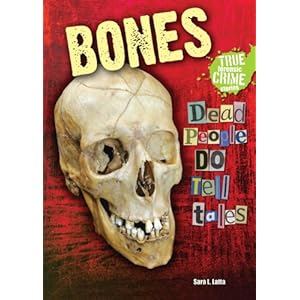
Anas­ta­sia Suen from Book­talk­ing joins the fun with her review of Bones: Dead Peo­ple Do Tell Tales
by Sara L. Latta.

Next week’s STEM Fri­day host will be Rober­ta Gib­son at Wrapped in Foil.

Review: In Search of Sasquatch


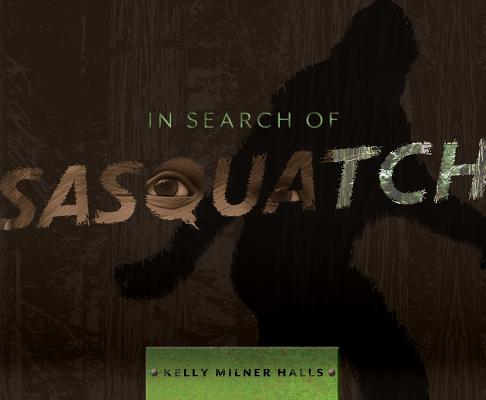
In Search of Sasquatch
by Kel­ly Mil­ner Halls
Houghton Mif­flin Books for Chil­dren (Octo­ber 25, 1011)
64 pages, ages 9 and up
When I was a kid, one of my favorite books was BIGFOOT: MAN, MONSTER, OR MYTH? by Car­rie Carmichael (Rain­tree, 1977). I’ve always been an ani­mal lover, and I loved the pos­si­bil­i­ty that there was one (or more?) out there clever enough to remain a mys­tery to us. I lived in rur­al north­ern Wis­con­sin and spent a lot of time in the woods, but, sad­ly, nev­er saw any Sasquatch signs.
When my son told me he thought it’d be cool to be a cryp­to­zo­ol­o­gist (nice!), I knew I had to get him this book. It did­n’t dis­ap­point. He’s read it sev­er­al times cov­er to cov­er, and I’m lov­ing the facts and crit­i­cal think­ing skills he’s demon­strat­ing as a result.
My first thought when I opened the book was how beau­ti­ful it is. The full-bleed for­est spread with the quotes over­lay­ing the trees pulls you right into the world of the sasquatch from the very first page turn (and the final one, as well). The beau­ty con­tin­ues with beau­ti­ful pho­tog­ra­phy, ele­gant illus­tra­tions, and well-done lay­out and design throughout.
Halls com­bines var­i­ous myths and leg­ends with expert opin­ions and eye­wit­ness accounts to weave a clev­er­ly craft­ed and com­pelling case for the exis­tence of sasquatch. She does­n’t come right out and tell us that it does or does­n’t exist, though. In the end, it’s up to the read­er to decide if they’ve been con­vinced or not.
This is a great book to hand to any kid with an inter­est in cryp­tids or oth­er mys­ter­ies, and ani­mal lovers and bud­ding young sci­en­tists will also enjoy it.
FUN FACT: “Accord­ing to experts at the Big­foot Field Researchers Orga­ni­za­tion (BFRO), cred­i­ble wit­ness­es have report­ed see­ing Sasquatch in every state in the Unit­ed States of Amer­i­ca except Hawaii, as well as most Cana­di­an provinces.”
There is a ded­i­ca­tion, table of con­tents, addi­tion­al resources, pho­to and illus­tra­tion cred­its, bib­li­og­ra­phy and source notes, glos­sary, and index.
SIDE NOTE: When asked her opin­ion of the book, my daugh­ter answered, “I LOVED how she crammed so many facts into this book, yet still kept it com­plete­ly inter­est­ing!” My answer: “Ahem. <cough> ‘YET STILL?’ Have I told you what I do? FACTS ARE INTERESTING!” I have failed as a parent.

This is my review for STEM Fri­day, which I’m also host­ing this week! See the com­plete roundup here.
Dis­claimer: A copy of this book was checked out from my local library for review. Thanks, King Coun­ty Library System!

Read more kids’ nonfiction in 2012!

Facts First! Nonfiction Monday

Still try­ing to come up with some res­o­lu­tions for the new year? Or would you pre­fer hav­ing one or two that are more plea­sure than pain? Well, in the spir­it of

…I’ve got just the thing for you!

Read more non­fic­tion for kids!

There are two chal­lenges out there right now to help you do just that… and share the fruits of your labor with like-mind­ed peeps around the world.

First,  Kid Lit Fren­zy and The Non­fic­tion Dete­cetives have teamed up to offer the The Non­fic­tion Pic­ture Book Chal­lenge 2012. Their goal is to encour­age every­one to read more non­fic­tion pic­ture books this year. All you have to do is set a goal for your­self (like read­ing one non­fic­tion pic­ture book each week or each month). You can vis­it both the Kid Lit Fren­zy and The Non­fic­tion Dete­cetives blogs through­out the year for non­fic­tion reviews and give­aways, tweet about the chal­lenge using the hash­tag #nfpb2012, and add the Non-Fic­tion Pic­ture Book badge to your web site.

Non-Fiction Picture Book Challenge 2012


Sec­ond, Ms. Houghton’s Class chal­lenges us to read the Sib­ert Medal win­ners and hon­orees here. This has been on my to-do list for awhile, so thank you Ms. Houghton for giv­ing me that extra push. I’m in! She has the com­plete list in her post, OR you can find the offi­cial list of past win­ners here and cur­rent win­ners here. New win­ners for 2012 will be announced 1/23/2012 (search for #alay­ma on Twit­ter). You can also keep track of this chal­lenge on Twit­ter by search­ing for #nerdib­ert.

I’m doing both, along with my oth­er New Year’s Res­o­lu­tions, which are to read more adult non­fic­tion and keep bet­ter track of all of these books in a read­ing log. I hope you’ll join me!
UPDATE: I made a Google docs spread­sheet with all the info for the Sib­ert books. Feel free to down­load it from here and use it to track your progress!

What I Learned From the Cybils

CYBILS logo

CYBILS logo
The Cybils’ Non­fic­tion Pic­ture Book pan­el for round one, which I was thrilled to be a part of this year, recent­ly fin­ished our deliberations.
The pan­elists were:

There were 87 non­fic­tion pic­ture books to read. Of those, 23 end­ed up on my “pos­si­ble con­tenders” list, and only four of those end­ed up on my “absolute­ly must fight for” list. The sev­en of us had to ulti­mate­ly agree on sev­en (or few­er) titles to send on to the round two judges. (And, I’m hap­py to report, we did it! But you’ll have to wait a few more days to find out what we chose.)
What a thought-pro­vok­ing and edu­ca­tion­al expe­ri­ence this was to go through, as both a writer and as a read­er. These smart, savvy, and opin­ion­at­ed book-lov­ing women val­i­dat­ed many of my own feel­ings about non­fic­tion for kids, and brought to light some nuances that I hadn’t real­ly thought about before, and the whole process real­ly made me think about the titles that I loved through both lens­es of the Cybils cri­te­ria: lit­er­ary mer­it AND kid appeal. It wasn’t enough to have one or the oth­er (which many titles did). Our job was to iden­ti­fy at most sev­en titles we felt were the best of both worlds. A few titles were easy shoe-ins: we agreed on those right away. The remain­ing spots were only filled after great debate, with some argu­ing for and oth­er against. The rea­sons not to include some­thing on the short list were often even more enlight­en­ing than the rea­sons to include something.
Major rea­sons why oth­er­wise deserv­ing titles got passed over:

  • Insuf­fi­cient back mat­ter. Back mat­ter can real­ly make or break a non­fic­tion book, even a pic­ture book for the youngest
    read­ers. If we, the adults, don’t trust you, the author, we’re not going to put that book into a kid’s hands. Authors and pub­lish­ers: it’s worth bud­get­ing the space for those extra pages at the back. Con­sid­er it your chance to show off your hard work and prove your exper­tise, as well as to share your pas­sion with your read­ers, adults and chil­dren alike. Sad­ly, I think insuf­fi­cient back mat­ter hurt both lit­er­ary mer­it and kid appeal on many oth­er­wise won­der­ful titles.
  • Art and design. Not being an artist myself, I was sur­prised how divi­sive this area could be. Some­times we loved the art, but didn’t feel the words were up to par. Some­times we loved the text, but reject­ed the art. Some­times we even loved both, just not togeth­er! And often, we had con­flict­ing opin­ions across the pan­el. Some­times the lay­out and design added to the oth­er ele­ments, some­times it took so much away as to knock a title out of the run­ning alto­geth­er. As an author, I’ll have no con­trol over this (gulp!), but it makes me even more aware of how impor­tant it is to find an edi­tor and a pub­lish­ing house that I can trust to get it all right.
  • Age appro­pri­ate­ness. There were sub­jects that seemed either too young or too old for the audi­ences they were writ­ten for, either too dumb­ed down or too sophis­ti­cat­ed to be appeal­ing to the intend­ed read­ers. It’s tough to strike that bal­ance of read­ing lev­el, inter­est lev­el, and rel­e­van­cy, but as an author (and illus­tra­tor), you just have to do it. I’ll be hold­ing up my own man­u­scripts to much greater scruti­ny in this area.

I want to thank each and every one of the pan­elists for a thor­ough­ly enjoy­able and eye-open­ing deci­sion-mak­ing process. I hope the round two judges are pleased with our choic­es and look for­ward to their choice for the win­ner. I don’t envy their job one bit!

Review: Bring On the Birds

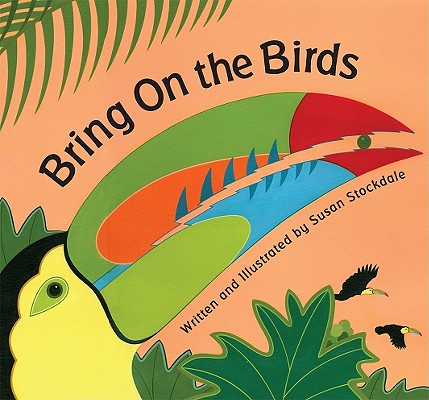
Bring On the Birds cover

Bring On the Birds
writ­ten and illus­trat­ed by Susan Stock­dale
Peachtree Pub­lish­ers (Feb­ru­ary 1, 2011)
32 pages, ages 4 and up

This is one of my favorite books of all the nom­i­na­tions in the Cybils Non­fic­tion Pic­ture Book cat­e­go­ry this year, and I just can’t get over how absolute­ly per­fect it is. The poet­ic text is a sim­ple but ele­gant rhyme with spot on rhythm and meter:

“Swoop­ing birds,
whoop­ing birds,
birds with puffy chests.
Danc­ing birds,
div­ing birds,
birds with fluffy crests.”

The illus­tra­tions are bright, clean, and not only depict the var­i­ous birds, but also place them in their appro­pri­ate habitats.
The 21 birds fea­tured run the gamut from the com­mon robin to the more exot­ic blue-foot­ed boo­by, from the great blue heron to the blue bird-of-par­adise. This book cov­ers an enor­mous diver­si­ty of life, then ends just right with what they all have in common:

“All of them have feathers,
and all are hatched from eggs.”

This is a won­der­ful intro­duc­tion to birds for the youngest read­ers. It could also be used to talk about diver­si­ty, habi­tats, and classification.
At the end of the book, Stock­dale includes a per­fect­ly brief and spot-on para­graph with infor­ma­tion about each bird pro­filed in the book. The book also includes a bibliography.
STEM Friday logo

To check out the rest of today’s roundup of books for kids about top­ics in sci­ence, tech­nol­o­gy, engi­neer­ing, and math­e­mat­ics, head on over to this week’s STEM Fri­day roundup over at Anas­ta­sia Suen’s Book­talk­ing.

(Dis­claimer: I received a copy of this book from my local library. I received no mon­e­tary com­pen­sa­tion for this review. All opin­ions expressed here are mine and mine alone.)

Review: Amazing Kitchen Chemistry

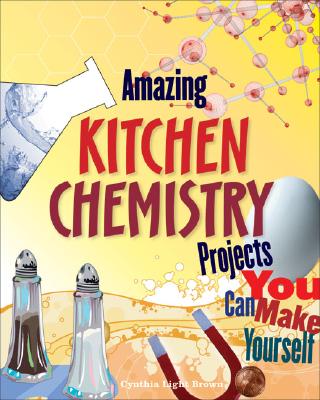
Amazing Kitchen Chemistry cover

Amazing Kitchen Chemistry cover
Amaz­ing Kitchen Chem­istry Projects You Can Make Yourself
by Cyn­thia Light Brown (Author)
Nomad Press (May 1, 2008)
122 pages
Ages: 9–12
From the pub­lish­er’s web page:

“In Amaz­ing Kitchen Chem­istry Projects You Can Build Your­self, kids ages 9 and up will exper­i­ment with kitchen mate­ri­als to dis­cov­er chem­istry. Read­ers will learn about atoms, mol­e­cules, solids, liq­uids, gas­es, poly­mers, the peri­od­ic table, the impor­tant his­to­ry of sci­ence, and much more. Along the way, they’ll make goop, cause chem­i­cal reac­tions, and cre­ate deli­cious treats, and all of it will illus­trate impor­tant chem­istry con­cepts. Amaz­ing Kitchen Chem­istry Projects is a fun and excit­ing way for young read­ers to learn all about chem­istry and become sci­en­tists right in the kitchen.”

My son has always loved sci­ence, so we’ve gone through many books like this over the years. As a par­ent, I have to say this is my favorite one so far. Why? First, all the sup­plies and ingre­di­ents are already in my house or read­i­ly avail­able. Yay! He can pick a project and we can DO it, rather than make a shop­ping list and get back to it when I’ve col­lect­ed all the hard-to-find neces­si­ties. Sec­ond, the sci­ence con­cepts behind the projects and any spe­cial­ized vocab­u­lary words are explained in a clear, acces­si­ble way. Final­ly, the projects them­selves as well as the lay­out, fun facts, side­bars, and illus­tra­tions, are just plain FUN!
Top­ics include atoms and mol­e­cules, mix­tures, reac­tions, acids and bases, solids, liq­uids, gas­es, state changes, poly­mers, and water. Some of things you can make are a buck­y­ball, a chro­ma-col­or book­mark, an Alka-Seltzer rock­et, invis­i­ble mes­sages, crys­tals, rock can­dy, a wave tank, a Men­tos explo­sion, taffy, ice cream, oobleck, meringue cook­ies, paper, bub­ble solu­tion, and more!
I think this is a book that young sci­en­tists, as well as their par­ents and teach­ers, will appreciate.
In the inter­ests of “keep­ing it real,” though, I have to share my son’s one and only com­plaint: “It’s not even in col­or!” With so much great stuff hap­pen­ing on every page, I hon­est­ly hadn’t even noticed. He’s very visu­al, so it was a big draw­back for him. I don’t know if oth­er kids would be as sen­si­tive, and I’m sure most adults will appre­ci­ate the cost savings.
This book also includes a table of con­tents, an intro­duc­tion, a glos­sary, rec­om­mend­ed resources, and index.
FAVORITE FUN FACT: On page 18, I learned that Alfred Hitch­cock­’s The Birds was based on a real event! In 1961, birds start­ed crash­ing into hous­es in the mid­dle of the night in a coastal Cal­i­for­nia town. Peo­ple went out with flash­lights to inves­ti­gate, and the birds flew toward the lights and pecked at the peo­ple, who ran back inside for cov­er. The next day, they found the streets full of dead and con­fused birds. 26 years lat­er, sci­en­tists final­ly dis­cov­ered it was caused by a neu­ro­tox­in that can build up in sea crea­tures that eat a dan­ger­ous type of phy­to­plank­ton, and the birds–or people–that in turn eat those sea crea­tures! Who knew? 
To check out the rest of today’s roundup of books for kids about top­ics in sci­ence, tech­nol­o­gy, engi­neer­ing, and math­e­mat­ics, head on over to this week’s STEM Fri­day host, Wrapped in Foil!
STEM Friday logo
(Dis­claimer: I received this copy for free direct­ly from the pub­lish­er for review.)
 

NEWSLETTER
SIGN-UP