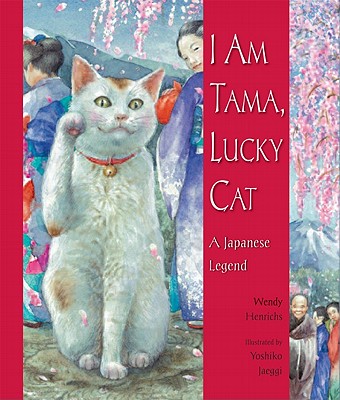
Review: I Am Tama, Lucky Cat

You’ve prob­a­bly seen the smil­ing cat fig­urine with the wav­ing right front paw, but have you ever won­dered why it’s there? Told from the cat’s point of view, this charm­ing 32-page pic­ture book tells chil­dren one of the pos­si­ble sto­ries behind it with straight­for­ward prose and stun­ning art­work. It can be enjoyed both for the sto­ry itself and as an intro­duc­tion to or study of Japan­ese cul­ture. Back­mat­ter includes an author’s note and acknowl­edge­ments. High­ly recommended.
Book information:

  • Title: I Am Tama, Lucky Cat: A Japan­ese Legend
  • Author: Wendy Henrichs
  • Illus­tra­tor: Yoshiko Jaeggi
  • Pub­lish­er: Peachtree Publishers
  • Pub­li­ca­tion date: August 1, 2011

See oth­er posts from this week’s Non­fic­tion Mon­day at Telling Kids the Truth: Writ­ing Non­fic­tion for Children.

Note: I viewed this dig­i­tal ARC via Net­Gal­ley and do not receive any com­pen­sa­tion for this review.

Fans of FARTISTE

Fartiste book cover
I’m a huge fan of Kath­leen Krull’s non­fic­tion books for kids, so I was sur­prised and dis­ap­point­ed to read her recent arti­cle in the Horn Book about the dif­fi­cul­ties she and her hus­band have had sell­ing their book FARTISTE! I would’ve thought a pic­ture book biog­ra­phy about a per­former who enter­tained audi­ences with his mas­tery of the art of the fart would be an easy sell, to a pub­lish­er AND on the book­store shelves! Does­n’t it sound like the per­fect idea for a kids book?
Here’s a case in point. Yes­ter­day, my son was hav­ing a bad day. I took him to the library because he said there was a book there that he want­ed. He walked straight to an emp­ty table in the children’s area and burst into tears. Come to find out, the book he want­ed had been lay­ing out on a table the last time we were in the library together—2 weeks ago—and now, to his sur­prise and great dis­ap­point­ment, it was gone. He didn’t remem­ber what book it was, and couldn’t tell me any­thing about it, except how heart­bro­ken he was and how no oth­er book in the whole library would do.
I walked over to the shelf, grabbed a copy of FARTISTE (which was on my mind because I’d just read the Horn Book arti­cle and was still mulling over my own afore­men­tioned sur­prise and dis­ap­point­ment), and hand­ed it to my sob­bing, incon­solable boy. “What’s this?” he asked skep­ti­cal­ly, stick­ing out his bot­tom lip. I told him. Curi­ous, he opened it up and read the first page. Engaged, he sank down to sit criss-cross in the floor in the mid­dle of the aisle. 15 min­utes or so lat­er, a per­fect­ly com­posed boy closed the book and said, “Thanks, Mom. That was a great book. Let’s take it home.” And he grabbed my hand and pulled me to the check­out counter.
So, thank you, Kath­leen, for the Horn Book arti­cle. And a big thank you, Kath­leen and Paul, from both of us, for stick­ing with FARTISTE. You have fans!

More thoughts on the speculative nonfiction debate

Roger Sut­ton put up this post on the Read Roger blog for con­tin­u­ing the dis­cus­sion about Marc Aron­son’s “New Knowl­edge” arti­cle in the Horn Book, in which Marc argues that non­fic­tion authors should be allowed to spec­u­late, draw con­clu­sions, and reveal their points of view in their books.
While I found Marc’s ter­mi­nol­o­gy of “new” ver­sus “old” non­fic­tion to be pejo­ra­tive, I do agree with his basic the­sis that spec­u­la­tion in non­fic­tion can be valu­able when done well (which he elab­o­rates on here and here and here and here–all worth read­ing!). The “done well” part is the key, I think, and involves both lay­ing out the foun­da­tions for your con­clu­sions as well as explic­it­ly point­ing out to the read­er what is accept­ed to be fact and what is spec­u­la­tion (by any­one, author includ­ed). Many of today’s non­fic­tion authors for kids, includ­ing both Marc and Jim Mur­phy, are already doing that, and I believe it’s a good thing.
But one anony­mous com­menter to Rogers’s post dis­trusts this approach:

“The new NF seems to be all about embrac­ing the slant and delib­er­ate­ly writ­ing non-fic­tion from a spe­cif­ic view­point. Whether I agree with the author or not, I think it’s per­ilous­ly close to pro­pa­gan­da and I don’t like it.”

Okay, I can under­stand the fears behind a view­point like that, but ew, boy, does it make my skin crawl! Why? Because shar­ing an opin­ion based on one’s own broad and deep research, and then open­ly stat­ing that it is your opin­ion, is NOTHING like pro­pa­gan­da! Pro­pa­gan­da would be mak­ing a slant by manip­u­lat­ing the research or by not admit­ting where the facts stopped and con­jec­ture began. A good non­fic­tion author would NEVER con­sid­er doing either one. And any work that tried to would be quick­ly called out and criticized.
In our polar­ized, con­flict­ed soci­ety we need more oppor­tu­ni­ties to share well-rea­soned opin­ions with each oth­er, not less. This kind of debate based on the inter­pre­ta­tion of known facts is how we move soci­ety for­ward. Equat­ing opin­ions backed up by ratio­nal argu­ments with pro­pa­gan­da gives us per­mis­sion to ignore them, per­mis­sion to stay stuck in our old ways, per­mis­sion to hate. I may dis­agree with you, but I’d love to know how you came to your opin­ion so I can under­stand it bet­ter, so we can at least have a con­ver­sa­tion about it. And if you ask me to explain mine, to back it up, to jus­ti­fy it, I just might dis­cov­er that it real­ly doesn’t hold water and I have to read­just my thinking.
Marc responds to the pro­pa­gan­da com­ment him­self here. In his post, he says:

“Pro­pa­gan­da is writ­ing in which the goal of influ­enc­ing the read­er is para­mount — you select what you say and how you say it to manip­u­late, entrance, alarm, con­vince the audi­ence. It is a form of adver­tis­ing. Any book I write, edit, or praise lives and dies by the rule of “fal­si­fi­ca­tion.” That is, no mat­ter what posi­tion I begin with, or what pas­sion I expe­ri­ence in writ­ing, or what goal I have in telling the sto­ry, my first oblig­a­tion is to evi­dence. If I find evi­dence that con­tra­dicts the sto­ry I had planned to tell or the mes­sage I intend­ed to get across, or my moti­va­tion in writ­ing, I must still share it. So long as an author does his or her best to abide by that stan­dard, that book fits my stan­dards for NF.” 

Yes, I total­ly agree! He goes on to say:

“I say that writ­ers can, if they choose, show their hands, reveal the dog they have in this fight, show their own per­son­al pas­sion to inves­ti­gate and tell one his­tor­i­cal sto­ry. That tells the read­er why he or she might care — it is why the author cared.”

I love that—as a read­er, as a par­ent, and as an author! Then, how­ev­er, he adds this in a com­ment to his own post:

“I think that con­cern exists more broad­ly in kids books where NF is in this strange place where it is crit­i­cized for being dull, yet many want it to be neu­tral and “objec­tive.” In oth­er words we are both urged to take the dis­tant voice of the text­book and crit­i­cized for doing so.”

Um, I was with you all the way, Marc, right up until you equat­ed neu­tral and objec­tive with dull and dis­tant. I don’t believe they are, or ever will be, mutu­al­ly exclu­sive. Good writ­ing is good writ­ing, whether it is spec­u­la­tive or not. 🙂

6 Lessons Learned from Doing the Picture Book Marathon

Pic­ture Book Marathon 2011 Logo, by Nathan Hale

I did it. I wrote 26 brand-new pic­ture-book texts in the 28 days of Feb­ru­ary! Now that I’ve had some time to relax and reflect, I thought I’d share my thoughts on the experience.

I start­ed out with great gus­to, then stum­bled in the mid­dle and took a bunch of days off, but man­aged to sprint to the fin­ish to make up for lost time. I fin­ished the last one with exact­ly 12 min­utes to spare before the clock struck mid­night on the very last day. Talk about close. But, still, I did it!

And I am so glad I took on this chal­lenge. Not only do I have 26 bright, shiny new man­u­scripts (sev­er­al of which have real poten­tial right out of the gate), but I learned some much-need­ed lessons along the way. I’d thought I’d doc­u­ment there here for any­one think­ing about doing the chal­lenge, for any­one think­ing about writ­ing pic­ture books, or for my future self when­ev­er I need a reminder!

5 Lessons I Learned From the Pic­ture Book Marathon:

  • PB Marathon Les­son #1: When I set my mind to it, I can be a LOT more pro­duc­tive than I thought I could. I was find­ing stolen moments in the pick-up line at school, while wait­ing for kids to get out of lessons, scrib­bling on receipts at stop­lights, etc. I dis­cov­ered I have been wast­ing a lot of time on things like self-doubt, think­ing I need­ed a big chunk of unin­ter­rupt­ed time to write, or try­ing to fig­ure out the whole sto­ry before I start­ed writ­ing. I wrote more in this one month than I have in the past year. Yes, I was most­ly work­ing on revi­sions, but still–yipes! We need to keep the cre­ative wheels turn­ing, even when we’re focus­ing on more ana­lyt­i­cal tasks. This has unex­pect­ed ben­e­fits, like…
  • PB Marathon Les­son #2: Pro­duc­tiv­i­ty begets pro­duc­tiv­i­ty, and pro­cras­ti­na­tion begets pro­cras­ti­na­tion. The more I wrote, the more I felt like writ­ing, AND it car­ried over into oth­er things as well. I man­aged to get some long-stand­ing to-do’s around the house done, sim­ply because I felt so super­charged about get­ting my books writ­ten! Typ­i­cal­ly I would­n’t let myself tack­le those kinds of chores, because I always felt like I should be writ­ing instead. But I often did­n’t do the writ­ing because it was so easy to get dis­tract­ed by lit­tle to-do’s and inter­rup­tions. So, every­thing would stag­nate. Now that I learned #1, it’s much eas­i­er to avoid the down­ward spi­ral of #2.
  • PB Marathon Les­son #3: As pro­duc­tive and ener­giz­ing as that month was, it’s impor­tant to remem­ber to recharge! I think I crashed in the mid­dle because I was writ­ing every day. It was fine on week­days, but on the week­ends I real­ly need­ed to get away from my com­put­er and play. Doing that and then feel­ing behind and rush­ing to catch up was­n’t help­ful either. So, out­side of the chal­lenge, I’ll try to be pro­duc­tive every week­day, and I’ll reserve the week­ends for rest­ing, read­ing, and spend­ing time with family.
  • PB Marathon Les­son #4: Writ­ing fast and short is the best way to cut to the heart of the sto­ry. I tend to over­think book ideas before I ever get to writ­ing the first word. And, if I do start writ­ing, I tend to be research dri­ven and over­ly wordy (which is the kiss of death for pic­ture books!). So, my first drafts usu­al­ly read like real­ly bad ency­clo­pe­dia entries, and then I spend all my revi­sion efforts try­ing to resus­ci­tate them and bring back the life that inspired me to write about them in the first place. The marathon forced me to just get it out there in all its pas­sion­ate chaos. It’s much eas­i­er, and more suc­cess­ful, to start with a strong heart and add the nec­es­sary limbs lat­er than it is to start with a bunch of limbs and try to find a place for the heart! The PB Marathon allowed me to final­ly get to the core of some big ideas I’ve been think­ing about for years but did­n’t know how to con­tain. I think this approach would also help me with longer projects, as a sort of outline/synopsis/summary to keep me on track as I flesh out the details.
  • PB Marathon Les­son #5: I need to work on end­ings! If I could work a cir­cu­lar end­ing, great. If not, though, all of my end­ings felt either rushed or drawn out or just plain trite and stu­pid. Clear­ly, I need some work here! So, I’m going to be launch­ing a major self-edu­ca­tion unit, study­ing the best of the best pic­ture books and their end­ings. Maybe I’ll post my dis­cov­er­ies here someday.
  • PB Marathon Les­son #6: Final­ly, the biggest, most impor­tant les­son learned: Despite my weak­ness with end­ings, I don’t total­ly suck! Okay, so not all of the 26 are going to end up on any­body’s award list (or even book­shelf), but that’s no sur­prise to anyone–least of all me. What I was­n’t expect­ing was to find a hand­ful of real gems. There are sev­er­al man­u­scripts in the pile that I love, can’t wait to revise, and know I will hap­pi­ly and con­fi­dent­ly sub­mit in the not-too-dis­tant future. And there are quite a few oth­ers that are, at the very least, a good idea worth pur­su­ing to see if I can devel­op it into some­thing sol­id. Very pleas­ant sur­pris­es indeed, and great con­fi­dence boost­ers besides.

After all those valu­able lessons, I would’ve felt like a win­ner even if I had­n’t com­plet­ed the 26 man­u­scripts. The whole expe­ri­ence was def­i­nite­ly worth­while for me. To my friends and fam­i­ly, thank you for the encour­age­ment and cama­raderie: they were a huge help, and I am extreme­ly grate­ful for your sup­port! To my amaz­ing and won­der­ful cri­tique group, thanks for wel­com­ing the del­uge of new man­u­scripts com­ing your way! And to those of you con­sid­er­ing the chal­lenge, DO IT! And let me know what YOU learn. 🙂

Drawing Lines in Nonfiction: “Old” vs. “New”

The March/April 2011 issue of The Horn Book Mag­a­zine is a spe­cial issue devot­ed to “Fact, Fic­tion, and In Between.” It’s a fan­tas­tic com­pendi­um of arti­cles and notes from some of today’s top writ­ers of non­fic­tion for kids, and it’s giv­ing me a lot to think about. I’ll prob­a­bly post more on these thoughts lat­er, but for now, I want­ed to explore the ideas in Marc Aron­son’s arti­cle called “New Knowl­edge.”
Marc says that today’s “new” non­fic­tion is dif­fer­ent from “old” non­fic­tion in that it does­n’t just present the exist­ing work of adult schol­ars in a for­mat young read­ers can digest, but instead dis­cov­ers new knowl­edge and spec­u­lates on its mean­ings for the first time. He con­cludes with:

“Just as we have both real­is­tic fic­tion and spec­u­la­tive fic­tion, maybe we ought to split up our non­fic­tion sec­tion into books that aim to trans­late the known and books that ven­ture out into areas where knowl­edge is just tak­ing shape.”

While I def­i­nite­ly admire some of the works he cites as rep­re­sen­ta­tive of the “new” non­fic­tion, includ­ing Susan Camp­bell Bar­to­let­ti’s They Called Them­selves the K.K.K. and Tanya Lee Stone’s  Almost Astro­nauts, his asser­tions make me ner­vous on a cou­ple of levels.
First, the line of “old” ver­sus “new” implies “not-as-good” ver­sus “bet­ter.” I don’t think this is nec­es­sar­i­ly true. Books that take exist­ing knowl­edge and syn­the­size it in a way that make it palat­able to kids are impor­tant, and they can be very, very good. I think this is part of what ran­kles Jim Mur­phy so in his rebut­tal blog post on the top­ic, “The Line of Dif­fer­ence.”
Sec­ond, by asso­ci­a­tion, is that he seems to imply that spec­u­la­tion in non­fic­tion is always a good thing. I agree that it can be a good thing, if done care­ful­ly and well. But if not, spec­u­la­tion in non­fic­tion can be a very dan­ger­ous thing indeed. Now, I real­ly don’t think Marc is say­ing that spec­u­la­tion should be done with­out sol­id research to back it up or with­out call­ing atten­tion to the fact that it is, in fact, spec­u­la­tion, but there’s a chance it could be tak­en that way by some read­ers. Many a won­der­ful non­fic­tion book would be ruined if the author felt com­pelled to spec­u­late beyond the facts to fit their work into a more desir­able cat­e­go­ry. As a non­fic­tion author, I am only going to spec­u­late on some­thing if the sub­ject I am writ­ing about calls for it; I have been com­plete­ly con­vinced I am right; I am able to explain how I came to those con­clu­sions so read­ers can judge for them­selves; and I’m going to tell the read­er they are MY con­clu­sions, no one else’s. Is it valu­able for kids to be exposed to that kind of spec­u­la­tion in non­fic­tion? You bet! Can non­fic­tion be valu­able and cur­rent and rel­e­vant with­out it? You bet! Do we need a way to dis­tin­guish between the two in this way? I don’t real­ly think so. Good non­fic­tion, whether it con­tains high-qual­i­ty spec­u­la­tion or not, is good nonfiction.
For me, a more use­ful divi­sion is between what I’ll call “straight” non­fic­tion ver­sion cre­ative non­fic­tion. Straight non­fic­tion is the non­fic­tion I remem­ber being exposed to as a child of the ear­ly 70s in rur­al Wis­con­sin. I admit I was an infor­ma­tion junkie, and I would pore over our ency­clo­pe­dia sets (thank you Mom and Dad!) on cold win­ter days, undaunt­ed by the dry, “just-the-facts-ma’am” presentation.
But when I first read cre­ative non­fic­tion, it set my brain on fire. Using fic­tion­al tech­niques to turn facts into a sto­ry is what I view as a big­ger shift and a more use­ful divi­sion than the one Aron­sen proposed.
If I’m doing a research project, I’ll prob­a­bly want to seek out straight non­fic­tion so I can find the infor­ma­tion I need quick­ly. Are these types of books valu­able and nec­es­sary? Of course.
But if I’m read­ing for plea­sure, sim­ply for the joy of learn­ing some­thing new, by all means wrap it up in an engag­ing sto­ry for me! Tra­cy Kid­der is a mas­ter at this for adults (Squee! I got to attend his lec­ture last week, and he’s cur­rent­ly work­ing on a book about writ­ing cre­ative non­fic­tion!); Steven John­son’s The Ghost Map is one of the most riv­et­ing books I’ve ever read, fic­tion or non­fic­tion; and I’d count BOTH Marc Aron­son AND Jim Mur­phy among the best doing this kind of writ­ing, for chil­dren or adults.
As a read­er, I most­ly want to know if the book I’m pick­ing up is straight non­fic­tion or cre­ative non­fic­tion, because they serve dif­fer­ent pur­pos­es for me, both of which I need, but at dif­fer­ent times. I don’t need to know, when I pick it up, if a non­fic­tion book will have spec­u­la­tion or not, or if the knowl­edge can be found in oth­er books. I can encounter that along the way, either in the text or in the backmatter.
So, I under­stand the dis­tinc­tion Marc was mak­ing in his arti­cle, and I great­ly admire him and the oth­er authors who are break­ing new ground in their research and think­ing and shar­ing it with young read­ers. I just don’t know if “old” ver­sus “new” is a nec­es­sary or help­ful divi­sion, and I find his choice of ter­mi­nol­o­gy to be insult­ing to the many won­der­ful authors who ded­i­cate their lives to research­ing, orga­niz­ing, and pre­sent­ing the facts to chil­dren in their non-spec­u­la­tive non­fic­tion works.

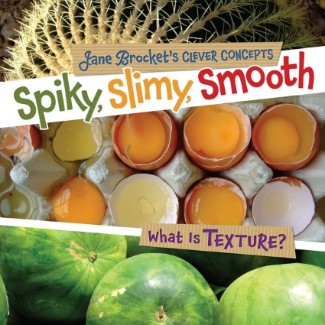
Nonfiction Monday book review: Spiky, Slimy, Smooth

I must admit, when my own daugh­ter entered kinder­garten and start­ed the unit on tex­ture, I was sur­prised. Yes, tex­tures are all around us, but what’s to study? These kids are already experts. After all, they’ve been feel­ing tex­tures since before they were born (often with their mouths)!
I soon real­ized that’s exact­ly the point, though. They are all around us, but do we have the words to describe them? Have we real­ly ever thought about how things feel, or why? This isn’t impor­tant only for its sci­en­tif­ic impli­ca­tions, it’s also crit­i­cal for good writ­ing! I enjoyed see­ing my chil­dren go through this top­ic and gain a new appre­ci­a­tion for the things around them. And I espe­cial­ly loved try­ing to help them come up with exact­ly the right words to describe a com­mon, or not so com­mon, texture.

In SPIKY, SLIMY, SMOOTH (Lerner/April 1, 2011/32 pages/ages 4–8), Jane Brock­et com­bines beau­ti­ful, bold pho­tos of every­day objects with deli­cious­ly descrip­tive language.
While the read­ing lev­el seems a bit too advanced for most kids who will like­ly be study­ing tex­tures as part of their sci­ence cur­ricu­lum, it will make a great read-aloud for their teach­ers look­ing for an engag­ing way to present the top­ic. Brock­et’s text includes many inter­ac­tive ele­ments, and her kid-friend­ly pho­tos will have young learn­ers wig­gling their toes, delv­ing into their mem­o­ry banks, and stretch­ing their imag­i­na­tions to expe­ri­ence the tex­tures themselves.
Hap­py Non­fic­tion Mon­day! You can see the rest of the roundup over at Ras­co from RIF here.

February 26th is National Fairy Tale Day!

I love fairy tales. My hus­band loves fairy tales (thanks to him we own an almost com­plete set of the Pan­theon Fairy Tale and Folk­lore Library!). And of course, my kids love fairy tales. Who doesn’t?

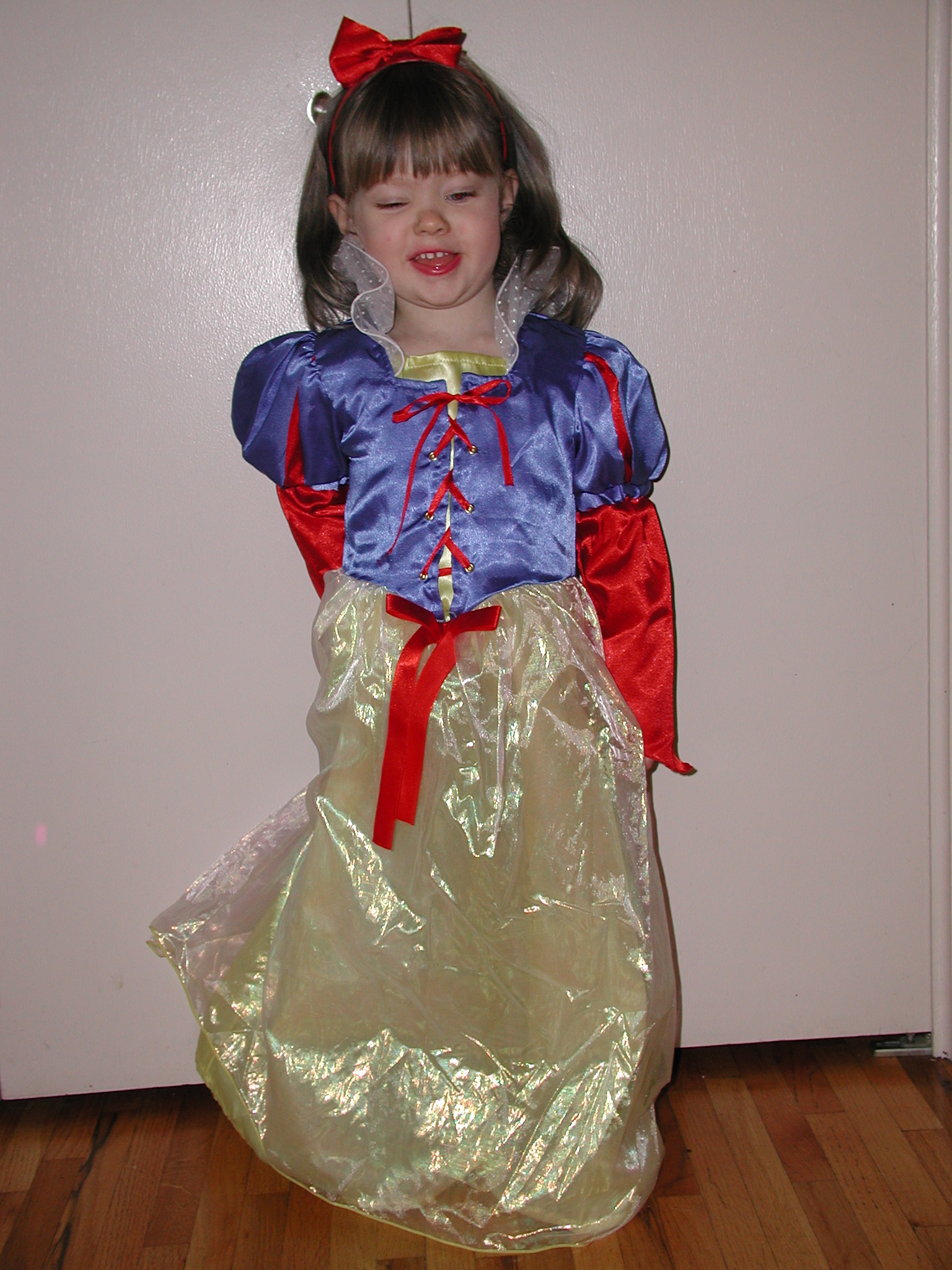
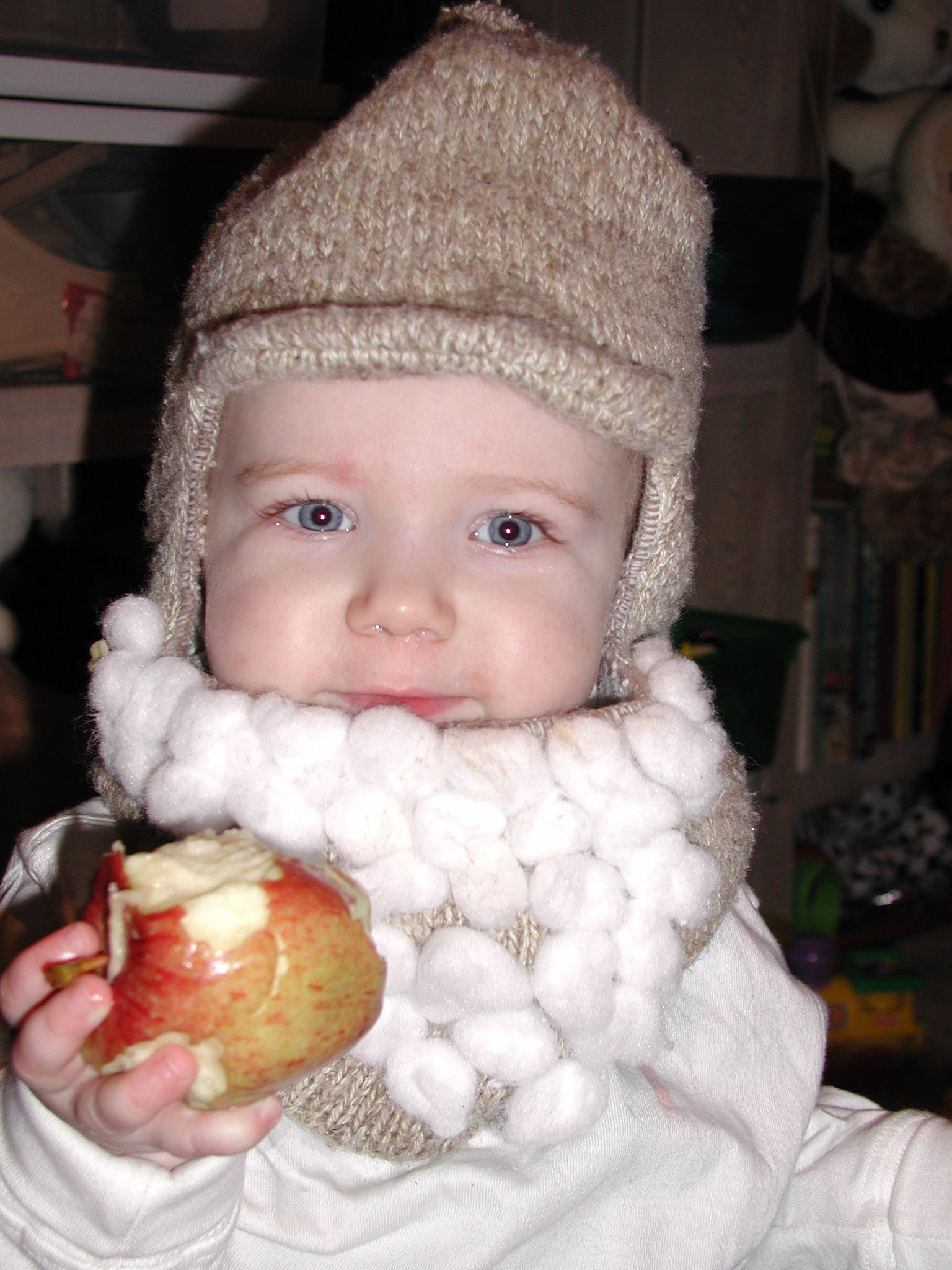
Old pho­tos of Snow White and one of her dwarfs—Hungry, maybe?

While search­ing for ideas for this mon­th’s Pic­ture Book Marathon, I’ve been read­ing more fairy tales and folk­tales than I nor­mal­ly do. And I’ve been lov­ing every minute of it!
Imag­ine my sur­prise when I dis­cov­ered the Feb­ru­ary 26th is Nation­al Fairy Tale Day! I can’t find an offi­cial source for that, but oth­er peo­ple seem to cel­e­brate it, so why not? I’ll take any excuse to share some of my new­ly dis­cov­ered favorites with the kids at bed­time tonight, or maybe I’ll even read them some of the retellings I’ve writ­ten this month. 🙂
Look­ing for more fairy tale facts or fun? Here are some resources I’ve found:

  • SurLaLune is THE place to start research­ing fairy tales on the web. It fea­tures 49 anno­tat­ed fairy tales, includ­ing their his­to­ries, sim­i­lar tales across cul­tures, mod­ern inter­pre­ta­tions and over 1,500 illus­tra­tions. Wow!
  • Here’s a great old post writ­ten by Han­nah Boyd about Why Fairy Tales Mat­ter.

“[Fairy tales] work through so many per­son­al and cul­tur­al anx­i­eties, yet they do it in a safe, ‘once upon a time’ way,” says Maria Tatar, a pro­fes­sor at Har­vard Col­lege who writes about, and teach­es class­es on, fairy tales. “Fairy tales have a real role in lib­er­at­ing the imag­i­na­tion of chil­dren. No mat­ter how vio­lent they are, the pro­tag­o­nist always survives.”

I’d rather just read and enjoy (and write!) them, though. Two of my favorites have always been The Ugly Duck­ling and Puss in Boots. I guess I’ve always been a suck­er for a good under­dog story.
What are your favorites, and why?

p.s. Feb­ru­ary is also Nation­al Love Your Library Month. Why not head to your local library and pick up some fairy tales to enjoy with some­one spe­cial tonight?

Oodles of story ideas!

Pic­ture Book Marathon 2011 Logo, by Nathan Hale

I’m behind on the Pic­ture Book Marathon and have some seri­ous catch­ing up to do, so I’m going to make this short, but thanks to this Pic­ture Book Marathon blog post, I dis­cov­ered some great new sto­ry idea resources that I just have to share!
Author Rick Wal­ton has some great tips for com­ing up with sto­ry ideas here. He lists a bunch of dif­fer­ent ways you might get start­ed with a sto­ry. For exam­ple, choose a char­ac­ter, a quest, or even just a phrase–just about any­thing that comes to mind–then fol­low it, and see where it goes.
To help with that, he’s also com­piled lots and lots of amaz­ing brain­storm­ing lists for chil­dren’s book writ­ers, which you can find here. A few of my favorites include:

If you can’t find some sto­ry ideas in there some­where, you might want to try a new career. Maybe brick lay­ing or air traf­fic con­trol? (Oh wait, that’s what MY high school apti­tude test said I should do. I guess you’re on your own.)

Picture Book Marathon–Day 14

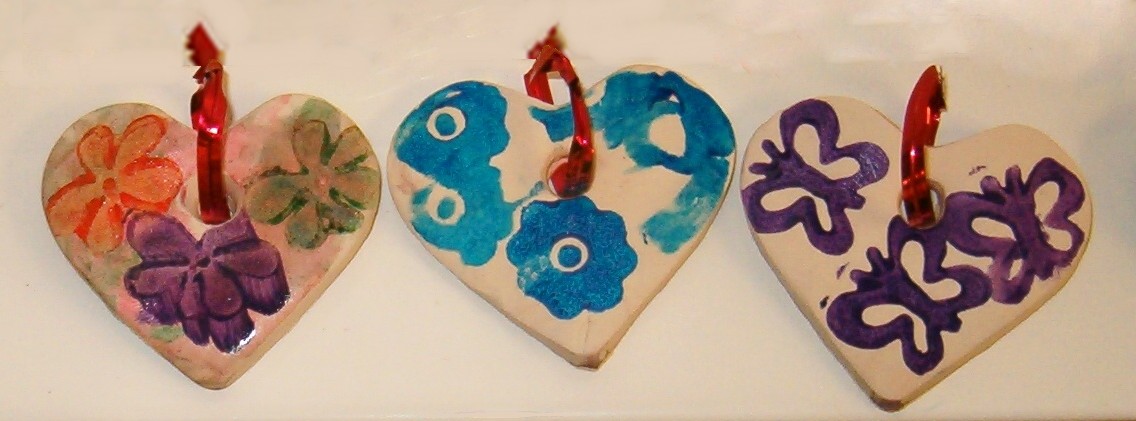
hearts

hearts
Last month, I blogged that I was going to to do two big chal­lenges: the pic­ture book marathon and the Word­Press PostAWeek. I’ve pret­ty much been keep­ing up with the Word­Press PostAWeek chal­lenge. I think I’ve put up some good posts so far, but I’m still a lit­tle dis­ap­point­ed with the results. I was hop­ing to get a lit­tle more inspired, get a lot more into the flow of reg­u­lar blog­ging, and get more com­fort­able shar­ing more about what I’m learn­ing and doing. Per­haps that will come in time. After all, I’ve been fair­ly well con­sumed by the Pic­ture Book Marathon all this month, too!
The PB Marathon is a chal­lenge “dur­ing which children’s writ­ers com­pose one pic­ture book each day until they have writ­ten 26 pic­ture books.” Today is day 14, and I’m pleased to say I’m half way there! So far, I’ve writ­ten 13 brand-new pic­ture books includ­ing every­thing from non­fic­tion sci­ence and biogra­phies to pure­ly fic­tion­al goofi­ness to tra­di­tion­al folk­tale retellings. It’s been a lot of work, but I have def­i­nite­ly learned that I can com­mit to a dai­ly writ­ing prac­tice. (Well, Mon­day through Fri­day, any­way. Week­ends have been near­ly impos­si­ble!) I’ve also been pleas­ant­ly sur­prised by the results. I was expect­ing per­haps two out of 26 to be worth pur­su­ing, but so far, I think maybe there are only about two that should prob­a­bly just be delet­ed right now. Some are bet­ter than oth­ers, of course, but I think most of them do have the poten­tial to be devel­oped into some­thing inter­est­ing. And since I like doing revi­sion much bet­ter than writ­ing first drafts, I’ll be set for quite some time (although I am def­i­nite­ly going to con­tin­ue with some type of new writ­ing work every day—just not a whole book)!
So, Feb­ru­ary is half over. And 2011 is look­ing to be a very pro­duc­tive year. Over the hump and on down the oth­er side!

Review: Tom Thumb

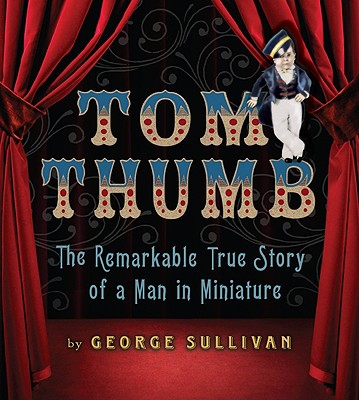
TOM THUMB: THE REMARKABLE TRUE STORY OF A MAN IN MINIATURE

I just fin­ished an advance read­ing copy of TOM THUMB: THE REMARKABLE TRUE STORY OF A MAN IN MINIATURE by George Sul­li­van (Clar­i­on; Feb­ru­ary, 2011; 208 pages; grades 5–9).

Writ­ing non-fic­tion is like putting togeth­er the pieces of a puz­zle, says author George Sul­li­van… “I like non­fic­tion because I’m a very curi­ous per­son, and the research that I do I find intro­duces me to new worlds,” he said. “I’m always inter­est­ed in find­ing out what peo­ple were real­ly like—how they live, what the fam­i­ly life was like, what moti­vat­ed them.” (full arti­cle here)

I think he suc­ceeds in con­vey­ing that sense of curios­i­ty and won­der to his read­ers, and TOM THUMB should be of great inter­est to mid­dle-graders for both plea­sure read­ing and research­ing reports.
In TOM THUMB, Sul­li­van pieces togeth­er the puz­zle behind the real-life sto­ry of Charles Sher­wood Strat­ton (a dwarf who would lat­er become famous­ly known as Tom Thumb), as well as those of P.T. Bar­num and Tom Thumb’s wife, Lavinia.
Writ­ten as a nar­ra­tive, the text chrono­log­i­cal­ly fol­lows Tom Thumb’s life and beyond, weav­ing an inter­est­ing biog­ra­phy and tale of his­to­ry and show­man­ship. Sul­li­van treats his sub­ject with care­ful dig­ni­ty and respect.
In addi­tion to the sto­ry itself, librar­i­ans, teach­ers, and researchers will appre­ci­ate the atten­tion to back­mat­ter, includ­ing acknowl­edge­ments, about the sources, end notes, bib­li­og­ra­phy, books and arti­cles list, and an index.
In my mind, the book also rais­es some inter­est­ing oppor­tu­ni­ties for dis­cus­sions in class­rooms and chil­dren’s book clubs:

  1. The book makes it clear that Tom Thumb appar­ent­ly enjoyed play­ing his roles and liv­ing life as a per­former in the pub­lic eye, but oth­ers, most notably Bar­num and Tom Thumb’s own par­ents, also prof­it­ed from his on-stage antics. At what point does it con­sti­tute exploita­tion to treat peo­ple this way? What fac­tors might have made it accept­able his­tor­i­cal­ly? How is it dif­fer­ent today? What types of exploita­tion, if any, still exist today? Should they be banned?
  2. The book reveals Barnum’s skills in self-pro­mo­tion, mar­ket­ing, and know­ing what audi­ences want­ed and were will­ing to pay for. It also reveals sev­er­al knows cas­es of “hum­bug­gery,” or instances where he know­ing­ly deceived audi­ences to draw big­ger crowds and more prof­it. Is this behav­ior accept­able for a “show­man?” What might “hum­bug­gery” look like today, and how do we try to pro­tect con­sumers from it? Are we suc­cess­ful? How can we be on the look­out for “hum­bug­gery” in today’s media?

Sul­li­van has writ­ten more than 100 books for chil­dren, and he’s still writ­ing in his 80s. He shared some of his tips here, includ­ing:

“I write very ear­ly in the morn­ing, when my mind is fresh and when I know I’m not going to be inter­rupt­ed by the tele­phone or vis­i­tors or what­ev­er might occur dur­ing the day,” he said. “I do a great deal of work in the ear­ly morn­ing hours.”

And,

“You take the project and you break it into pieces,” he said. “You have an out­line that breaks it down into dif­fer­ent cat­e­gories. Then you research each of these pieces, instead of try­ing to do every­thing all at once.”

Good advice. And Sul­li­van has cer­tain­ly built a book, and a career, worth emulating.

NEWSLETTER
SIGN-UP