Nonfiction Monday: Emotion and Passion in Writing Nonfiction for Kids (#nfforkids)

I loved this recent post by Cheryl Har­ness over at I.N.K. (Inter­est­ing Non­fic­tion for Kids). My favorite part comes right at the end:

As for me, here’s the “Boston Mas­sacre,” March 5, 1770, in The Rev­o­lu­tion­ary John Adams: “Noisy men and boys were throw­ing snow­balls and oys­ter shells at a British sen­try …The scene explod­ed with more sol­diers, an alarm bell, and a mob of men run­ning from the town and the docks, shout­ing “Kill ’em! Knock ’em down!” Shots rang out in the frosty air and five Amer­i­cans fell…” For me, a sense of what the moment was like is what I want and what young read­ers need in his­tor­i­cal non­fic­tion. Sto­ry, snap­py descrip­tion, human­i­ty, and imme­di­a­cy: these are the sug­ar that help the med­i­cine, i.e. the need-to-know facts, go down, With these things, You Are There.

What makes for extra­or­di­nary non­fic­tion is often the same as what makes for extra­or­di­nary fic­tion, and this sense of human­i­ty and immediacy–the You Are There effect–is def­i­nite­ly a key ingre­di­ent. If the read­er does­n’t FEEL what it was like to be there in the moment, they prob­a­bly won’t real­ly care about or remem­ber the facts or the sto­ry, no mat­ter how inter­est­ing they might be. I’m adding it to my revi­sion checklist–thanks, Cheryl!
Ink1-copyAnoth­er recent post that stuck with me is this one by Deb­o­rah Heilig­man, again over at I.N.K. Deb­o­rah shares the sto­ry–both use­ful and touch­ing–behind her first book, FROM CATERPILLAR TO BUTTERFLY. She also gives some good prac­ti­cal advice about how to increase sales by find­ing ways to tie your book into the curriculum. 

I tell chil­dren in school vis­its that when­ev­er they read a book they should know that the author was think­ing of them when she wrote the book. I would like to tell teach­ers the same thing: we think of you, too.

What I real­ly loved about this post, though, was that you can tell how pas­sion­ate she is about writ­ing non­fic­tion for kids. Not coin­ci­den­tal­ly, I’m sure, Deb­o­rah is a 2009 Nation­al Book Award Final­ist with CHARLES AND EMMA: The Dar­wins’ Leap of Faith.Congratulations, Deb­o­rah!

No, no, no #NaNoWriMo for me!

The big top­ic in the writ­ing world this time of year is NaNoW­riMo, Nation­al Nov­el Writ­ing Month, in which aspir­ing writ­ers are encour­aged to churn out 50,000 words of rough draft in 30 days. It’s easy to get caught up in the hype, but after weeks of con­sid­er­a­tion and days of ago­niz­ing, I’ve final­ly decid­ed NOT to do it this year. I’m extreme­ly tempt­ed to push myself to attempt some­thing I’ve nev­er done before (fin­ish a novel)—I am very com­pet­i­tive and I do love a good chal­lenge, after all. Plus, I know I’d learn a lot about myself and my writ­ing in the process, which would be both excit­ing and use­ful. And, you nev­er know, at the end of it all I just might have some­thing worth pur­su­ing further.
So, what’s hold­ing me back? Well, besides a nice help­ing of typ­i­cal writer­ly fears (which is just anoth­er rea­son TO do it, of course), there’s a nag­ging lit­tle bit of actu­al self-knowl­edge that can’t be ignored. It feels so inap­pro­pri­ate that I’m embar­rassed to admit it, espe­cial­ly here, in such a pub­lic forum. But, I sup­pose it’s time to come clean and be hon­est with you all: I’ve nev­er had a burn­ing desire to write a pure­ly fic­tion­al novel.
the magic of first booksI am most drawn to two par­tic­u­lar kinds of lit­er­ary mag­ic. One is help­ing a child learn to read by pro­vid­ing some­thing inter­est­ing enough for them to work through at a lev­el that is acces­si­ble yet just chal­leng­ing enough to increase their skill (begin­ning read­ers: fic­tion and non­fic­tion). The oth­er is help­ing a child under­stand the world around them through books that are meant to be shared with a par­ent or teacher, books that will open up a dia­log between young chil­dren whose val­ues aren’t yet defined and the adults help­ing to shape those val­ues (board and pic­ture books: fic­tion and nonfiction).
I love read­ing all kinds of fic­tion, and I am keen­ly aware that a well-writ­ten nov­el can expand a reader’s world­view in ways that short­er works often can­not. Good fic­tion can illu­mi­nate truth with a spot­light effect that can be dif­fi­cult to achieve in non­fic­tion. I admire nov­el writ­ers immense­ly and feel blessed to call many of them friends. Per­haps some­day I’ll even decide to try to join their ranks. For now, though, the audi­ences I most wish to con­nect with just aren’t ready for nov­els. I’ll have to fol­low my own kind of magic.

Nonfiction Monday: Recent Links Roundup #nfmon #nfforkids

Facts First! Nonfiction Monday

nonfiction.mondayWhat a great idea! A group of tal­ent­ed authors who write fan­tas­tic non­fic­tion for kids have just launched a new project: INK Think Tank. “Each author has con­nect­ed his or her books to nation­al cur­ricu­lum stan­dards through a data­base that is acces­si­ble to every­one.” This is great for the authors involved, great for edu­ca­tors, and great for non­fic­tion for kids over­all. Way to go, I.N.K.ers!
I would love to know what book Andrew Karre was work­ing on here for Lern­er! Any­one got time to try to reverse engi­neer his clues?
I’ve been work­ing on fic­tion late­ly, and I’ve guess I’ve fall­en behind on the non­fic­tion mar­ket. I’ve been watch­ing the Cybils nom­i­na­tions roll in, and WOW! For both the pic­ture-book and mid­dle-grade/y­oung adult non­fic­tion cat­e­gories, the books look amaz­ing! I’ve got some seri­ous (fun!) read­ing to do. Con­grats to all of the nominees!
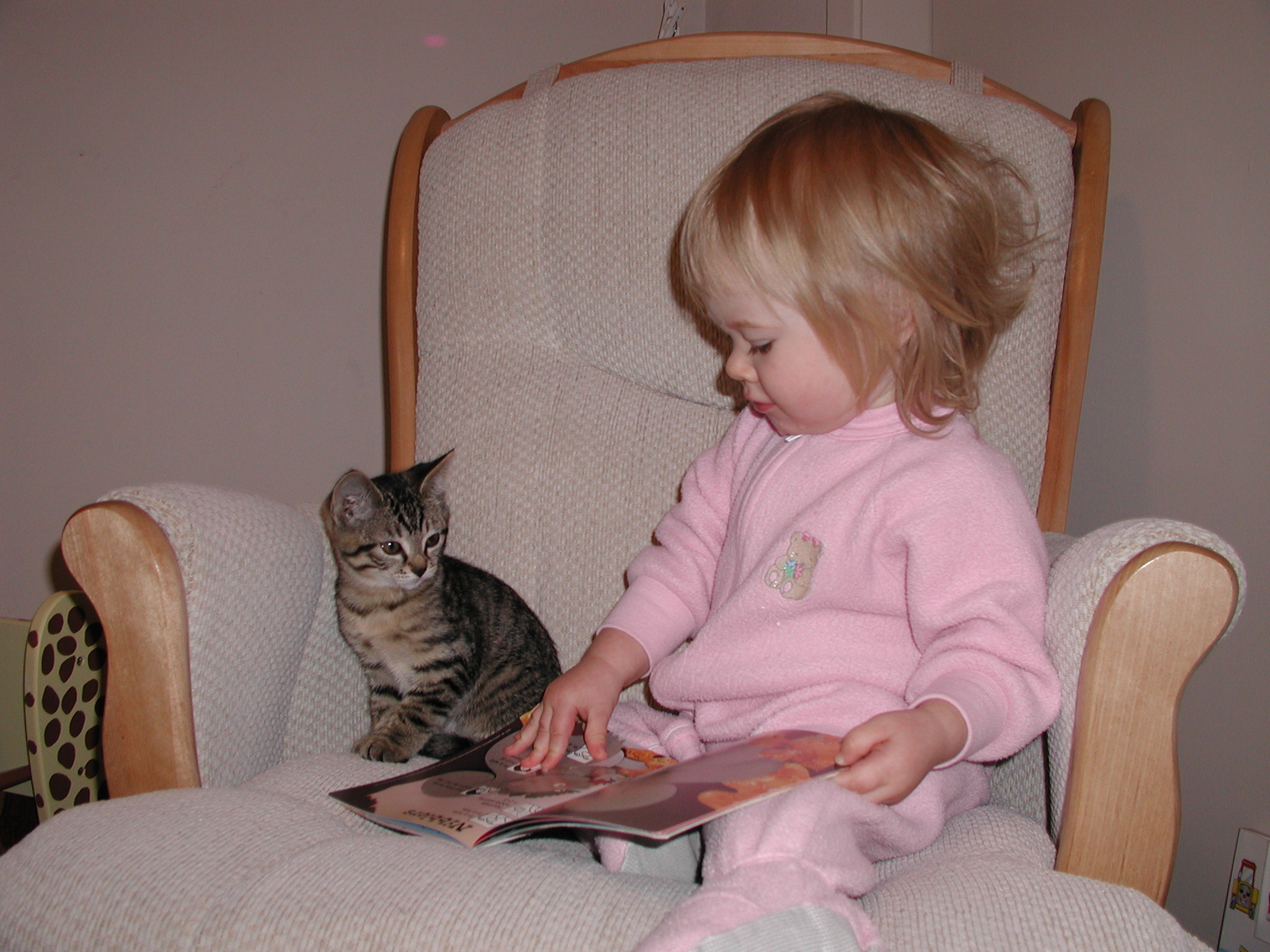
Anas­ta­sia must’ve writ­ten this one just for me… I love books, I love the mag­ic of a child learn­ing to read, and I love cats! I’ve read all but one of her 5 Great Books About Cats.

Halloween Word Challenge 2009!

Kim­ber­ly Bak­er, super­friend and mem­ber of the dynam­ic trio, has chal­lenged me to a war of words. She knows I need a swift kick in the *** to get a first draft down (espe­cial­ly of a fic­tion novel–gasp!), but she may not know just how com­pet­i­tive I can be. Even if I lose, though, I win, since it’s just the incen­tive I need to make some good progress before our amaz­ing fall Week­end on the Water retreat in November.
As part of the deal, we’re offer­ing our­selves up for pub­lic humil­i­a­tion… um, I mean, account­abil­i­ty. If you want to cheer us on (or scoff at me for my pathet­ic attempts), you can fol­low our progress here.

The fight for language ownership: iFart versus “Pull My Finger”

Unfor­tu­nate­ly, I don’t think this is an April Fool’s Day joke.

This case fil­ing is per­haps unique among its peers in con­tain­ing the phrase “deep stir­rings of flat­u­lence,” a phrase one hard­ly expects to encounter in a court filing.

Thanks to Visu­al The­saurus for the full arti­cle.

#SWF09: The role of education in social entrepreneurship

This arti­cle over at the Social Enter­prise mag has some great quotes about cre­at­ing young change-makers:

Para­phras­ing Bill Dray­ton, founder of Ashoka: “Young peo­ple should be edu­cat­ed about social entre­pre­neur­ship from the age of 12 if there is to be a next gen­er­a­tion of change mak­ers… The key time to inspire the social entre­pre­neurs of tomor­row is between the ages of 12 and 20.”

12? In my opin­ion we can, and should, start a lot soon­er, but I total­ly agree that we must pur­pose­ful­ly edu­cate our youth–ALL youth–about how to cre­ate the changes they want to see in the world. That is why my cur­rent work-in-progress is a how-to book for teenagers who want to save the world, aimed direct­ly at read­ers 12 and up.

“In one mes­sage of how edu­ca­tion­al insti­tutes should tack­le busi­ness teach­ing, [Jim] Austin [pro­fes­sor at the Havard Busi­ness School] said: ‘Empow­er the stu­dents, then get out the way. They will do incred­i­ble things.’ ”

YES! This is true for any indi­vid­ual or group, as we’ve already seen with oth­er great move­ments of empow­er­ment like civ­il rights and fem­i­nism. The next major empow­er­ment move­ment is that of the world’s youth, and I know it’s already here and grow­ing fast. I’m hop­ing my book will help it along in a big way, because I, for one, want to see even more incred­i­ble things.

David Archuleta for DoSomething.org

Yup, I’m an Idol fan, and I love love love David Archule­ta. Now he’s teamed up with one of my favorite organizations:

“I know as well as any­one that teenagers have the pow­er to do some­thing. So I’m gen­uine­ly excit­ed about this cause and orga­ni­za­tion. When I heard about the oppor­tu­ni­ty to get involved with DoSomething.org, I jumped at the chance. Thanks to this pro­gram, when a dis­as­ter strikes, teens will be part of the relief solution.”

What a cutie-pie!

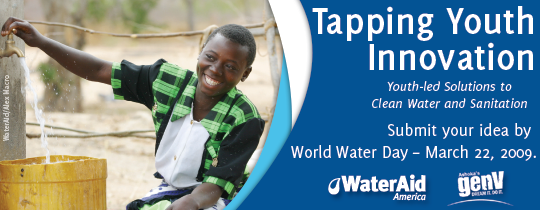
Tapping Youth Innovation 2009

tyi-gvc-top

From GenV Cam­paigns:

Ashoka GenV and Wat­erAid wel­come all your ideas for how to improve access to clean water and san­i­ta­tion. Just send us one para­graph about your idea and we can guide you on how to pro­ceed. The ten most inno­v­a­tive, effec­tive or sus­tain­able project ideas will receive seed grants of up to US$1,000. Sub­mit your one para­graph idea by World Water Day — March 22, 2009.

Youth as change-makers—the next revolution

Bill Dray­ton, founder of Ashoka, is one of my per­son­al heroes. Thanks to Jack at Youth Ven­ture Seat­tle, I had the most amaz­ing oppor­tu­ni­ty to hear him speak in per­son a few weeks ago. I also got to meet him after­ward, and we talked for quite awhile about my cur­rent work-in-progress–a hand­book for young change-mak­ers! Despite being sick, and in total awe, I hope I was able to sound rea­son­ably intel­li­gent. I think it worked, because he was very sup­port­ive and had a bunch of great sug­ges­tions and advice. What a thrill. Thanks, Bill!

Here’s a video (not mine) where Bill presents some of the same issues he talked about here in Seattle.

I think he is absolute­ly right on all counts. Empa­thy, team­work, and lead­er­ship skills—for everybody—are going to be ever-increas­ing­ly essen­tial for our sur­vival. What can you do to help change the world?

Invent Your World Challenge

From GenV.net:

Ashoka GenV and the Lemel­son Foun­da­tion will sup­port 50 young inven­tors in using their inven­tions to cre­ate pos­i­tive change – by pro­vid­ing men­tor­ship, seed fund­ing, net­work­ing oppor­tu­ni­ties, and even a $20,000 schol­ar­ship. Sub­mit your one-para­graph idea before March 15, 2009.

Get the details here.

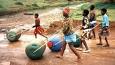
Photo courtesy of the Hippo Water Roller project: www.hipporoller.org.
Pho­to cour­tesy of the Hip­po Water Roller project: www.hipporoller.org.

NEWSLETTER
SIGN-UP