Review: The Many Faces of George Washington

I recent­ly signed up for NetGalley.com, which lets pub­lish­ers con­nect their upcom­ing books with review­ers, media, librar­i­ans, book­sellers, blog­gers, and edu­ca­tors. It’s easy to use, helps me keep up with what’s hap­pen­ing in the mar­ket, and—lucky for you!—it allows me to share these new works I love with my blog readers!

The first book I down­loaded was one I’d heard about the NFforKids Yahoo group for non­fic­tion children’s book writ­ers. THE MANY FACES OF GEORGE WASHINGTON: REMAKING A PRESIDENTIAL ICON, a mid­dle-grade avail­able on 4/1/2011 from Car­ol­rho­da Books, was writ­ten by friend and for­mer SCBWI region­al advi­sor Car­la Kil­lough McClaf­fer­ty. I found the unique con­cept to be extreme­ly intrigu­ing. The fol­low­ing is excerpt­ed from the front flap copy:

“George Washington’s face has been paint­ed, print­ed, and engraved more than a bil­lion times since his birth in 1732. And yet even in his life­time, no pic­ture seemed to cap­ture the like­ness of the man who is now the most icon­ic of all our pres­i­dents… In 2005 a team of his­to­ri­ans, sci­en­tists, and arti­sans at Mount Ver­non… tapped into skills as diverse as eigh­teenth-cen­tu­ry leather­work­ing and cut­ting-edge com­put­er pro­gram­ming to assem­ble truer likenesses.”

I was not to be dis­ap­point­ed, and gob­bled this 120-page book up in a sin­gle after­noon. Equal parts his­to­ry and tech­no­log­i­cal thriller, THE MANY FACES OF GEORGE WASHINGTON bril­liant­ly alter­nates between the his­tor­i­cal con­text of the man and the mod­ern-day tech­niques used to redis­cov­er his real appear­ance. Below, Car­la gra­cious­ly shares some insights and behind-the-scenes infor­ma­tion on how this amaz­ing book came to be.

LT: How did you find out about this fas­ci­nat­ing sto­ry of recre­at­ing George Washington’s like­ness, and what made you decide to pur­sue it as a mid­dle-grade non­fic­tion book?
CKM: I love to watch The His­to­ry Channel—which comes as no sur­prise since I write non­fic­tion books about his­tor­i­cal top­ics. One day in 2007, I watched a doc­u­men­tary titled The Search for George Wash­ing­ton. It showed how Mount Ver­non brought togeth­er a team of experts from the fields of sci­ence, his­to­ry, and art in order to find out what George Wash­ing­ton real­ly looked like. Their work result­ed in three life-sized rep­re­sen­ta­tions of Wash­ing­ton at the ages of 19, 45, and 57, which are exhib­it­ed at Mount Ver­non. I was fas­ci­nat­ed by the project. The 3D scan­ner images of the Houdon bust made me sit up and take notice—probably because my first career is as a radi­o­log­ic tech­nol­o­gist. The idea for THE MANY FACES OF GEORGE WASHINGTON: REMAKING A PRESIDENTIAL ICON was born as I watched that doc­u­men­tary. I rec­og­nized imme­di­ate­ly that this new infor­ma­tion dis­cov­ered by the Mount Ver­non team would pro­vide a fresh look at George Wash­ing­ton that would per­fect for a book. I love to write for a mid­dle-grade audi­ence because they already have a gen­er­al knowl­edge of many things, but they are will­ing to add deep­er lay­ers to their understanding.
LT: What kind of read­er do you think this book will appeal to?
CKM: I work hard to make sure my books can be read, under­stood and (hope­ful­ly) enjoyed by read­ers from ten years old through adult­hood. I write sim­ply and explain everything—but I write about com­plex top­ics. What I hope is that a ten year old read­er under­stands the text with­out a struggle—and an adult read­er does not feel they are read­ing a kid’s book. Regard­less of the age of my read­ers, my goal is to inter­est them in a top­ic they didn’t know they would be fas­ci­nat­ed by, and write it in such a way that the infor­ma­tion will stay with them.
LT: I think you’ve def­i­nite­ly achieved that here, through both the way the book is writ­ten and the wide vari­ety of sub­ject areas it cov­ers: art, his­to­ry, sci­ence, tech­nol­o­gy. What was your favorite part to research and write? What was the hard­est part for you? How did you deal with that?
CKM: Every part of this book was enjoy­able for me. But if I had to say, it would be that I loved get­ting to know George Wash­ing­ton as I researched his life. I began this project with very lit­tle knowl­edge of Wash­ing­ton or the Amer­i­can Rev­o­lu­tion. As I stud­ied, I began to under­stand how amaz­ing this man was, and how aston­ish­ing it is that Amer­i­ca won inde­pen­dence. I’ve even come to think that with­out George Washington—the war might have NOT have been won.
CKM: My favorite part relat­ing to the cre­ation of the Wash­ing­ton fig­ures was get­ting to know many incred­i­ble peo­ple involved in the project. I absolute­ly love the folks at Mount Ver­non. Diana Cor­dray, the edu­ca­tion cen­ter manager/special projects coor­di­na­tor, has helped me in a thou­sand ways. It was also a treat to get to know the artists Steven Horak, Sue Day and Stu­art Williamson and watch them work. I now count these amaz­ing peo­ple among my friends.
CKM: The hard­est part was locat­ing many of the peo­ple who con­tributed to the project in var­i­ous ways in order to inter­view them. I kept ask­ing ques­tions and search­ing around until I found them.
LT: Dur­ing your research, what sur­prised you the most?
CKM: The most sur­pris­ing thing was the man, George Wash­ing­ton. He was hand­some, dash­ing, and brave. He was the best horse­man AND the best dancer in Vir­ginia. Today we would say he was a “man’s man”. And the ladies liked him too.
LT: How much time did you spend research­ing over­all, and how long did it take to write the book? How much time did you spend research­ing “on location?”
CKM: This book has tak­en three years from the time I real­ly deter­mined this is the book I just HAD to write until it was released. I’ve spent three weeks in Vir­ginia, at Mount Ver­non, York­town, and Colo­nial Williams­burg. I also spent a week in New York City doing research.
LT: How do you man­age all of the research for a book like this? What’s your orga­ni­za­tion­al sys­tem? Does it evolve over the course of a project?
CKM: My orga­ni­za­tion­al sys­tem is con­stant­ly chang­ing, and I’m always look­ing for bet­ter ways to work. For this book I read more than fifty books about George Wash­ing­ton. I bought most of them off of Ebay and Ama­zon so I could mark them up and make notes in the mar­gins. In this way, I didn’t have to write mas­sive notes; I could just refer back to the books them­selves. Plus I have three huge Rub­ber­maid con­tain­ers where I file notes and research from places oth­er than books.
LT: Did you do all the pho­to research for the book too? Can you tell us about that process?
CKM: From the very begin­ning of my research on a book, I’m look­ing for the right images. It all hap­pens at the same time, yet I under­stand that in the end some images must be delet­ed for space con­sid­er­a­tions in the end. I’m thrilled with the way the book looks. The design team at Car­ol­rho­da did an amaz­ing job.
LT: I agree. The end result is gor­geous! Anoth­er thing I love is the way the book is struc­tured, with the buildup of the prob­lem and their approach to solv­ing it, fol­lowed by alter­nat­ing his­tor­i­cal chap­ters and mod­ern-day re-cre­ation chap­ters. I think this approach real­ly serves to engage both types of read­ers, those more inter­est­ed in the his­to­ry as well as those more inter­est­ed in tech­nol­o­gy, to keep read­ing and learn new things in both areas. Rather than stick to chrono­log­i­cal order or present both sto­ries sep­a­rate­ly, how did you arrive at this par­tic­u­lar structure?
CKM: How to struc­ture the book was one of the most dif­fi­cult issues of this project because the sci­en­tif­ic inves­ti­ga­tion went back­wards in time, from old­er Wash­ing­ton to younger Wash­ing­ton. I con­sid­ered doing it count­less ways, but each way pre­sent­ed chal­lenges and prob­lems. In the end, Andrew Karre, my won­der­ful edi­tor at Car­ol­rho­da, felt it would be best to go back and forth between the fig­ures and the bio­graph­ic mate­r­i­al. From there, I had to fig­ure out how to make it work. It was a chal­lenge because I had to fig­ure out how to deal with the reverse order of the de-aging process, start the bio sec­tion with young George Wash­ing­ton, and not back­track to the science.
LT: What did you learn from this book, as a writer, that you’ll be able to apply on future projects?
CKM: For my last book, In Defi­ance of Hitler: The Secret Mis­sion of Var­i­an Fry, I researched and wrote at the same time—and I fin­ished that book faster than any of my oth­er books. With this George Wash­ing­ton book, I spent months read­ing book after book with­out writ­ing any text. In the end, this gave me a good foun­da­tion about Wash­ing­ton and the Rev­o­lu­tion, but it slowed down the whole process. I won’t make that mis­take again. In the future, I’ll research and work on the text at the same time.
LT: What was your revi­sion process like, includ­ing how many times you revised and at what stage(s) of the process?
CKM: When I get a good rough draft and I go through the entire thing again and again and again until I think it is right. I revise it keep­ing the entire book in mind since what I write on one page influ­ences what comes lat­er and before. I don’t keep track of how many times I revise the entire man­u­script before send­ing it out—I just keep work­ing until it is done.
LT: Tell us about the pitch and sales process you went through with this book. How much did you have researched and writ­ten when you pitched your agent (Susan Cohen at Writer’s House)? And when she then pitched it to editors?
CKM: I talked to my agent Susan Cohen about it and she sug­gest­ed I write a pro­pos­al. She read the pro­pos­al and sug­gest­ed some changes. I did a lot of research before I was able to write the pro­pos­al in a way that would reflect what I want­ed to do in the book. My pre­vi­ous books were with FSG, but my edi­tor was no longer with FSG, so Susan began send­ing the pro­pos­al out about end of 2008 to oth­er houses.
LT: You men­tioned Andrew Karre at Car­ol­rho­da was very sup­port­ive of the book’s con­cept and also had some input into the struc­ture of the infor­ma­tion. Can you tell us what it was like work­ing with Car­ol­rho­da, and how it might have dif­fered from oth­er pub­lish­ers for your pre­vi­ous books?
CKM: Andrew Karre is an excel­lent edi­tor and has been won­der­ful and. From the first day, he was enthu­si­as­tic about the book and saw the project the way I did. Dur­ing revi­sions, he had sug­ges­tions on adding or omit­ting mate­r­i­al. I con­sid­ered his edits care­ful­ly, but in the end he would give me the final say on what to do with it. He trust­ed me as the author, and I trust­ed him as the edi­tor. It must work both ways.
CKM: My oth­er books have been with FSG. I worked with two dif­fer­ent edi­tors there through the years, Rob­bie Mayes and Bev­er­ly Rein­gold. Both of them were excel­lent edi­tors. I’d say the biggest dif­fer­ence between work­ing with FSG and with Car­ol­rho­da is that at FSG we worked on a phys­i­cal hard copy of a man­u­script and with Car­ol­rho­da, Andrew and I worked on an elec­tron­ic manuscript.
LT: What are you work­ing on next?
I’ve always had to fin­ish one project com­plete­ly before I move on to the next one. Now that The Many Faces of George Wash­ing­ton: Remak­ing a Pres­i­den­tial Icon is out, I need to decide. But it seems I’m not quite ready to let go of George Washington—maybe there is anoth­er book there somewhere.
LT: Car­la, thanks so much for shar­ing such detailed and hon­est answers with us!
CKM: Thank you! It is always so much fun to talk about my books when they final­ly come out.
I encour­age you to find out more about Car­la and The Many Faces of George Wash­ing­ton here!

I’m off to NYC for #NY11SCBWI!

I have to admit, I’m a lit­tle more ner­vous about attend­ing the SCBWI con­fer­ence in NY this year. Yes, they’re going to have great speak­ers (Lois Lowry! Jane Yolen! R. L. Stine! Mo Willems! and plen­ty of oth­er won­der­ful peo­ple!). And yes, there will be agents, edi­tors, and pub­lish­ers there. But I’ve got­ten fair­ly used to that by going to so many great SCBWI events over the last few years.  No, that’s not why I’m nervous.
I’m ner­vous because NYC has been called “the bed­bug cap­i­tal of the world.”

I guess that’s sup­posed to be me, although the incred­i­bly tal­ent­ed Dana Sul­li­van must have missed my tweet about pack­ing to stay warm and only wear­ing com­fort­able shoes this trip (sor­ry NYC fash­ion­istas, but it’s not like I had a chance any­way). And a mar­ti­ni? Per­haps he also does­n’t know I’m more of a Guin­ness-girl. At the very least, cock­tails should def­i­nite­ly not have veg­eta­bles in them. Besides that, though, Dana’s pure bril­liance. You can see more fun­ny things from him, or even sign up to receive one by email every week, here.
Any­way, I’ve got plas­tic bags for all my clothes, I plan to keep my suit­case and clothes off the floor at all times, and I WILL be check­ing the bed and room when I arrive. So, let’s hope the only new things I bring back home with me are books.
Wish me luck!

New year, new commitments

I’m usu­al­ly pret­ty big on reflect­ing on the past year, re-eval­u­at­ing, and set­ting goals (not so much res­o­lu­tions) around the start of each new year. Start­ing into this year, though, I just didn’t real­ly have any. Am I just hap­py where I’m at—coasting along with mag­a­zine arti­cles but no books con­tract­ed yet? Cer­tain­ly not! But every­thing I came up with—everything I know I need to do—sounded too big and too scary for me to actu­al­ly com­mit. Me, a com­mit­ment-phobe? Not gen­er­al­ly, no. I was con­fused and dis­heart­ened by my appar­ent total lack of resolve. And, I was begin­ning to lament that Jan­u­ary was half over and I STILL hadn’t come with any rea­son­able goals that I felt I could stick to.
Enter serendipity.


First, I stum­bled upon a rel­a­tive­ly new blog writ­ten by a new mem­ber of the NFforKids Yahoo group, Car­ole Bruce Col­lett. One of her posts men­tioned that she’s doing the Word­Press  Post A Week 2011. Intrigued, I checked it out. Wow, they not only ask me to com­mit to post once each week in 2011, they also send reminders, prompts, and inspi­ra­tion! Okay, maybe I can do that. I mean, I will do that! So, watch for at least a post each week. I won’t promise they’ll all be good, though!


Then, I saw a post about the sec­ond annu­al Pic­ture Book Marathon on SCBWI West­ern Washington’s Chi­nook Update blog. Par­tic­i­pants com­mit to write 26 pic­ture books dur­ing the month of Feb­ru­ary (leav­ing just two well-deserved rest days). One of the things I was try­ing to com­mit to was writ­ing every day, writ­ing more new work, writ­ing just for fun. But all of those things were too big. One month, 26 pic­ture books? Mea­sur­able. Doable. 26 days. And they offer “train­ing” emails! (Are you sens­ing I need a lit­tle hand-hold­ing?) I got in just before the first train­ing email, and I am psy­ched! But I won’t promise ANY of these will be good!

I love the writ­ers’ com­mu­ni­ty that is grow­ing out there in cyber­space. I love the sup­port and encour­age­ment I get from “the tribe,” even those I’ve nev­er met, and may nev­er meet, in per­son. ‘Tis a fab­u­lous thing we do, and ‘tis done by fab­u­lous peo­ple. Thanks for reading!

Some recent reads: great narrative nonfiction

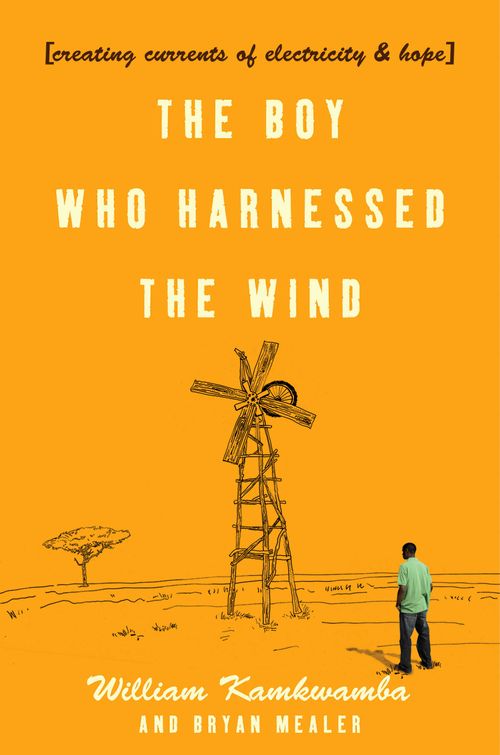
Most of my recent read­ing has been cre­ative or nar­ra­tive non­fic­tion.  Before the hol­i­days, I was read­ing THE BOY WHO HARNESSED THE WIND by William Kamk­wam­ba and Bryan Meal­er. I’m in awe of, and frankly a lit­tle intim­i­dat­ed by, the lev­el of detail they go into. I don’t think I’d ever be able to inter­view a sub­ject enough to get that kind of back­ground. Of course, in this case, the sub­ject is also one of the authors, so maybe that col­lab­o­ra­tion is the secret.

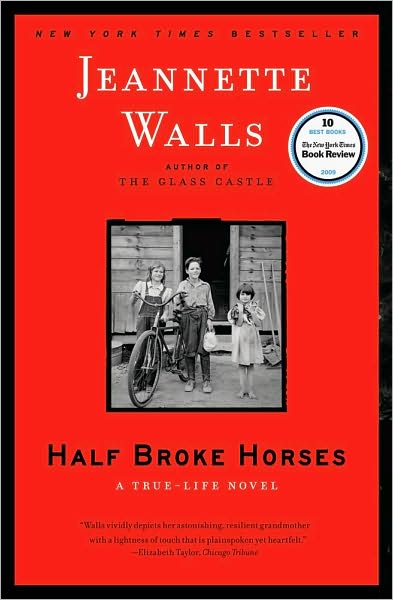
For Christ­mas, my hus­band got me Jean­nette Walls’ HALF-BROKE HORSES. It’s fic­tion, but was heav­i­ly researched and based on the true life sto­ry of the author’s grand­moth­er. I think a non­fic­tion writer can learn a lot by study­ing this book. The writ­ing is sim­ple, engag­ing, and beau­ti­ful all at the same time. The biggest take-away from this one, though, is voice. As a read­er, you can hear the grandmother’s voice and feel her per­son­al­i­ty while you’re read­ing, and that, in turn, allows you sneak peeks inside her char­ac­ter and go beyond what the author is telling you directly.

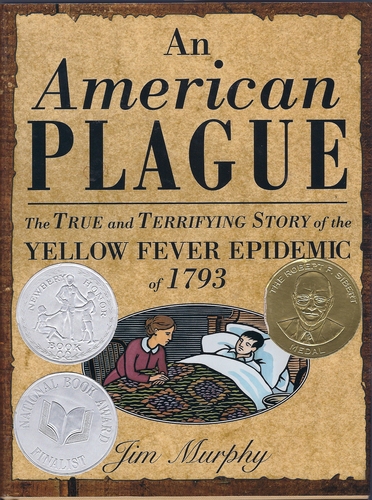
San­ta brought my daugh­ter Jim Murphy’s AN AMERICAN PLAGUE: THE TRUE AND TERRIFYING STORY OF THE YELLOW FEVER EPIDEMIC OF 1793. (San­ta has good taste in books, no?) This book is pure non­fic­tion, but it reads like a nov­el. The strong devel­op­ment of the set­ting feels like you are right there Philadel­phia (thank good­ness it doesn’t have scratch and sniff stick­ers!). The ten­sion is ris­ing at a fever pitch (for­give the pun) as the fever itself spreads. And the writ­ing is pure poet­ry. Check out this clos­ing para­graph of Chap­ter 2:

“On Sat­ur­day, August 25, a sav­age storm hit the city, bring­ing winds and tor­rents of rain. Water cas­cad­ed of roofs, splashed loud­ly onto the side­walks, and ran in bur­bling rivers through the streets. The howl­ing wind and pound­ing rain made a fright­ful noise, and yet through it all a sin­gle, chill­ing sound could still be heard—the awful tolling of the church bells.” [they rang the bells to announce a death]

My tech­ni­cal writer/journalist ten­den­cies would have been to say some­thing like, “x num­ber of peo­ple died that day.” Con­cise, fac­tu­al… and bor­ing! The para­graph above does so much more. Then, the clos­ing para­graph of Chap­ter 3 kicks it up anoth­er notch:

“Philadel­phia was a city in pan­ic and flight. It did not even help when May­or Clark­son act­ed on anoth­er rec­om­men­da­tion from the Col­lege of Physi­cians. The tolling bells that had so thor­ough­ly ter­ri­fied every­one were ordered to remain still. The great silence that fol­lowed did lit­tle to com­fort those left behind. It was too much like the eter­nal silence of the grave.”

Chills, right? And that’s only Chap­ter 3.
I also love the design of this book. The fac­ing page of every new chap­ter is a pho­to­graph­ic repro­duc­tion of a pri­ma­ry source rel­e­vant to the chap­ter: a news­pa­per page, let­ter, gov­ern­ment report, etc. You can gloss over them if you want with­out miss­ing any of the sto­ry, but you can also find your­self rev­el­ing in the thrill of going through the pri­ma­ry source mate­r­i­al for your­self. I love that they chose to do it this way, espe­cial­ly in a book for children.

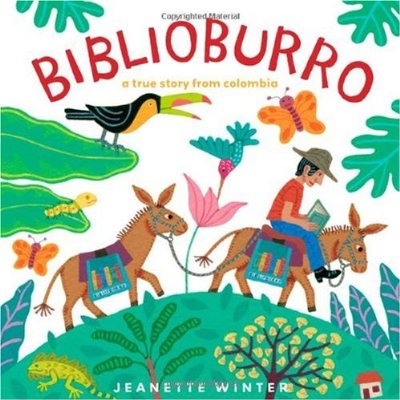
Final­ly, I recent­ly read the pic­ture book BIBLIOBURRO by Jeanette Win­ter. This book is so sim­ple, so con­cise, but yet so beau­ti­ful­ly told. The art­work is gor­geous, but it’s also a mas­ter­piece of say­ing every­thing you want to say, and noth­ing more. What struck me as par­tic­u­lar­ly inter­est­ing about this one is that she chose to tell the whole sto­ry in present tense, even though the point in time changes part of the way into the sto­ry! And it works.

Anoth­er thing that struck me about this book is the sub­ject. It’s about some­one no one (at least in the U.S.) has ever heard of deliv­er­ing books to remote vil­lages by bur­ro. Hav­ing been told that you can’t sell a book these days about some­one no one has ever heard of, no mat­ter how inter­est­ing their sto­ry is, I’m thrilled to see that a respect­ed pub­lish­er like Beach Lane Books took a chance on this one. I hope they con­tin­ue to seek out those inter­est­ing yet under­re­port­ed sto­ries that more of us need to hear about.

What are your recent non­fic­tion favorites, and what makes them stand out for you?

The interview tightrope

I’ve been work­ing on and off for years on a biog­ra­phy for kids. It’s get­ting real­ly close, but there’s still some­thing miss­ing. In a few weeks, though, I final­ly get to meet and inter­view the sub­ject, Emmanuel Oso­fu Yeboah, in per­son! No, I’m not fly­ing to his home in Ghana (bum­mer), but he’ll be in San Diego this month after rid­ing in the Chal­lenged Ath­lete’s Foun­da­tion Mil­lion Dol­lar Chal­lenge (a sev­en-day, 620-mile bike ride down the Cal­i­for­nia coast­line from San Fran­cis­co to San Diego). The meet­ing is sched­uled, and the plane tick­ets are pur­chased. Yay!
On one hand I’m shak­ing with excite­ment about meet­ing him sim­ply because he’s a per­son­al hero of mine. I find him to be so inter­est­ing and his sto­ry to be so inspi­ra­tional. In the five years since I first heard of him and his accom­plish­ments, I’ve not grown tired of read­ing, talk­ing, or writ­ing about him.
And I’m absolute­ly thrilled to get the chance to inter­view him in per­son. The phone and email inter­views haven’t been as pro­duc­tive as I’d like; they always feel way too for­mal. An in-per­son inter­view will hope­ful­ly allow me to final­ly fill in some of the gaps in my research. Even more impor­tant­ly, I want my read­ers to real­ly get to know him. If I have got­ten to know him myself, I’ll have a much bet­ter chance of shar­ing his char­ac­ter with my readers.
I also want to reas­sure him that I’m seri­ous about this project, and not a dream­er or a freak. (Okay, so it may be fair to say I’m both of those things, but not about this project!) An in-per­son inter­view feels like the piece that’s been miss­ing all along. I believe it will allow me to, final­ly, make this man­u­script into a book.

Pho­to used with per­mis­sion from flickr.com’s foxtongue

That’s where the nerves come in, though. What if he does think I’m too much of a dream­er or a freak? What if go all fan-girl on him and can’t think straight? What if I go too far the oth­er way and come off as too force­ful, too seri­ous? What if I can’t estab­lish the con­nec­tion I’m look­ing for or don’t get the answers I need? What­ev­er the rea­son, if I can’t take the man­u­script to the next step after this inter­view, will I ever be able to get it there? It’s feel­ing a bit like do or die time.
So, I’m feel­ing all the excite­ment and nerves of a tightrope walk­er before the big event. I want to be pre­pared to get all that I need as an inter­view­er (because I might not get anoth­er chance), but I don’t want to get so focused that I miss the oppor­tu­ni­ty to make a human con­nec­tion with an amaz­ing individual.
Any tips on strik­ing the right balance?

Writing to Change the World

Recent­ly, Vic­ki Cobb post­ed on the I.N.K. (Inter­est­ing Non­fic­tion for Kids) blog about writ­ing to change the world. I’ve been pon­der­ing this post for days. On one hand I think all authors, espe­cial­ly those of us who right non­fic­tion for kids, are try­ing to change the world to some degree (maybe more than Vic­ki alludes, even). Yet that seems like such a lofty, overblown, and, dare I say pre­ten­tious?, goal–one that many of us would hes­i­tate to say out loud (thank you, Vic­ki!). After all, as begin­ning writ­ers we are told over and over again, “Don’t teach!” Of course, non­fic­tion by its very nature must teach. So I’ve strug­gled with bal­anc­ing my desire to teach, inspire, empow­er and yes, influ­ence young read­ers with the need to remain impar­tial and sim­ply tell the sto­ry. Not enough emo­tion and the writ­ing is dry and bor­ing. Too much pas­sion and it comes off as overzeal­ous and preachy. Strik­ing a healthy bal­ance is where the work, and the mag­ic, lies.
Today I attend­ed a writ­ing inten­sive offered by Car­men T. Bernier-Grand. One of the exer­cis­es she had us do was sim­ply to make a list of the rea­sons we we write. Here is what I wrote:
Why do I write? I write:

  • to empow­er children
  • to give kids a voice, espe­cial­ly those who haven’t yet felt heard
  • to teach
  • to help kids dis­cov­er their authen­tic selves
  • to help them hon­or and respect those authen­tic selves
  • to share what is impor­tant to me with future generations
  • to make the world a bet­ter place going forward

In short, I do write to change the world, one read­er at the time. I guess I’ll just try to keep it a secret from the kids.

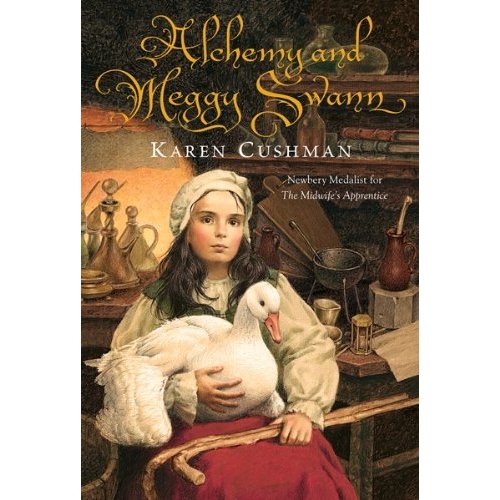
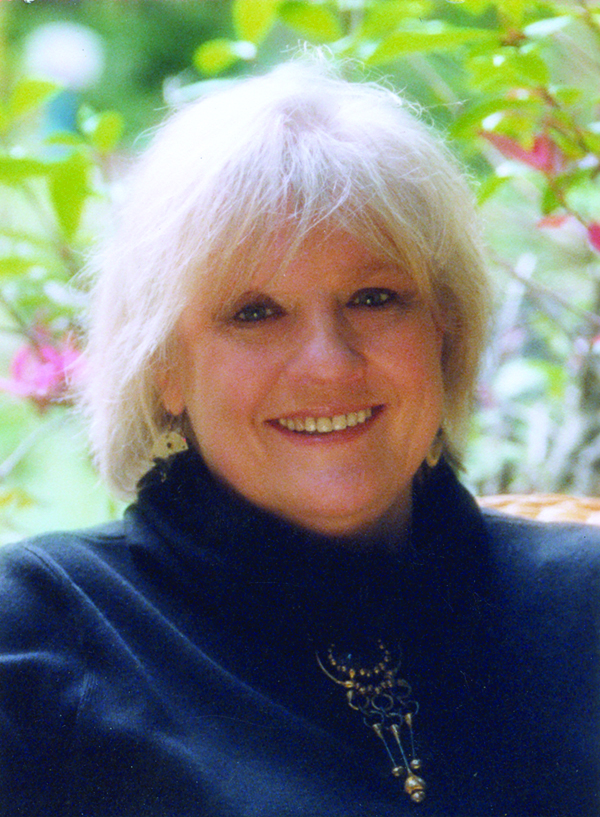
    Alchemy and Karen Cushman!

    Oh, this is so much fun! Not only is there a brand-new book out from one of my all-time favorite authors, but I got to read an ear­ly copy (squeee!) and inter­view the author for my blog (huz­zah)!

    First, let me gush a lit­tle about how much I enjoyed read­ing Alche­my and Meg­gy Swann. There’s an awful lot for read­ers of any age to love in this lit­tle book: from the open­ing scene where we start right in with action and a bit of a mys­tery, to the feisty but kind-heart­ed hero­ine, to the his­tor­i­cal rich­ness, to the won­der­ful array of cre­ative insults. It’s tru­ly got some­thing for every­one. If you’re not already a fan of Karen Cush­man, this book will sure­ly trans­form you into one. And now, let’s meet the alchemist herself—welcome, Karen!

    LT: First, I love the par­al­lels between the father’s search for alchem­i­cal trans­for­ma­tion and Meggy’s per­son­al trans­for­ma­tion. What made you start think­ing about alche­my as a book sub­ject, and was the par­al­lel planned from the outset?
    KC: I found alche­my an intrigu­ing idea but did­n’t real­ly have an idea about how I’d use it in a book until I thought more about trans­for­ma­tion, about that very par­al­lel between alchem­i­cal and per­son­al trans­for­ma­tion.  I love how the ides of change works for both and how trans­for­ma­tion may not hap­pen exact­ly as they want­ed or expected.


    LT: I think you real­ly gave us an accu­rate por­tray­al at what it’s like to feel dif­fer­ent and/or unwant­ed and the mis­guid­ed but all-too-com­mon defense mech­a­nism of push­ing peo­ple away before they can reject us, and it is these under­stand­able flaws that make Meg­gy such an inter­est­ing and uni­ver­sal­ly appeal­ing char­ac­ter. Did you know you were shoot­ing for that at the start, or did those aspects of char­ac­ter evolve nat­u­ral­ly as you wrote the story?
    KC: Meg­gy start­ed out much sweet­er and more com­pli­ant but as I under­stood more about her and her strug­gles, I real­ized she prob­a­bly would not have respond­ed or act­ed in such under­stand­ing ways.  So, yes, those aspects of char­ac­ter evolved as I wrote the story.


    LT: I find it fair­ly dif­fi­cult (but extreme­ly enter­tain­ing) to pic­ture you hurl­ing insults at any­one, but Meg­gy seems to have no trou­ble what­so­ev­er. How exact­ly did you come up with Meggy’s many inven­tive invectives?
    KC: I found an invalu­able lit­tle book called Shake­speare’s Insults and bor­rowed some of those.  And there is a web­site called the Shake­speare­an Insult Kit (www.pangloss.com/seidel/shake_rule.html) that allowed me to come up with intrigu­ing com­bi­na­tions.  It was great fun.


    LT: I can tell you did a ton of research for this book. Do you think you’ll reuse any of it in future sto­ries? Will we see Meg­gy again? (I need to see her reunit­ed with her goose!)
    KC: I had­n’t planned on a Meg­gy sequel but young read­ers have said they like the idea.  First I’d have to fin­ish a new book, Will Spar­row’s Road, where I will use a lot of what I learned about Eliz­a­bethan England.


    LT: How about non­fic­tion? I’m a pri­mar­i­ly non­fic­tion writer who dab­bles in research-based fic­tion when some­thing I’m research­ing gets my imag­i­na­tion going. Have you ever or do you think you will ever dab­ble in non­fic­tion? You’ve cer­tain­ly got the research part down!
    KC: So far it’s the “what if?” of sto­ries that has my atten­tion.  I love sit­ting in my chair and mak­ing things up.  But I dab­ble in non­fic­tion when I write my author’s notes.  The notes for Meg­gy Swann were espe­cial­ly fun to do.


    LT: I love that you “like to write about gut­sy girls fig­ur­ing out who they are,” and I love gut­sy girls, even if some of us don’t get gut­sy or fig­ure out who we are until we’re actu­al­ly mid­dle-aged women (who, me?). Which real-life gut­sy girls (and women) have inspired you most?
    KC: Some of my female heroes are Jane Addams of Chicago’s Hull House, the anthro­pol­o­gist Mar­garet Mead, Eleanor Roo­sevelt, and genius illus­tra­tor Tri­na Schart Hyman—all gut­sy girls.


    LT: I’ve always said that I’ll feel like a suc­cess­ful writer when I receive one let­ter from a read­er say­ing that my book helped them in some way, and you’ve said that con­nect­ing with read­ers is what makes you feel proud­est of your work. What’s the best let­ter you’ve ever received from a reader?
    KC: I got a won­der­ful let­ter that said, “I nev­er read one of your books but now that you’ve come to my school, I am con­sid­er­ing try­ing to read one.”  But I trea­sure the ones that say “I nev­er thought about that before but…” or “Since I read your book, I know there are oth­er peo­ple who feel like I do.”


    LT: Alche­my and Meg­gy Swann, even more so than your oth­er books, I think, is a short­er book with more dif­fi­cult lan­guage. Was there ever any ques­tion, from you or your pub­lish­er, about audi­ence, age, and/or read­ing ability?
    KC: No, I think Dinah, my edi­tor, thinks as I do that we should give young peo­ple more cred­it for their under­stand­ing. And I tried to use words that could be under­stood through con­text or ono­matopoeia.  It was great fun search­ing the­saurus­es and the Oxford Eng­lish Dic­tio­nary.


    LT: I love that answer and com­plete­ly share the belief that we should chal­lenge and believe in chil­dren rather than sell them short. Since you men­tioned Dinah, can you tell us what it’s like to work with the leg­endary Dinah Steven­son?
    KC: Leg­endary?  Is Dinah old enough to be leg­endary?  I was assigned to work with Dinah when Clar­i­on bought my first book–an amaz­ing stroke of luck.  Dinah is a great edi­tor, intel­li­gent, insight­ful, and not at all pushy, and she makes my work much bet­ter and rich­er than it would be with­out her.  That does­n’t mean I don’t snarl and throw things when I get one of her famous 17-page edi­to­r­i­al let­ters, and I don’t fol­low every sug­ges­tion she makes but I do think about them care­ful­ly.  And she always reminds me it’s my book and I should write it my way.


    LT: Age has noth­ing to do with it—only the esteem she’s earned with­in the indus­try! You’ve been very loy­al to Dinah and to Clar­i­on over the years (and I must admit that Clar­i­on is one of my dream pub­lish­ers!). They’re inter­est­ing because they’re a rather small imprint with a small list, but owned by a huge con­glom­er­ate. How do think this has helped or hurt you?
    KC: I think Clar­i­on’s small size has meant there’s a small­er list and few­er oth­er authors.  I can have a per­son­al rela­tion­ship with every­one on the staff and feel they know me.  I like that.  And I’m sure the sup­port Clar­i­on gets from Houghton Mif­flin Har­court ben­e­fits me in ways I don’t even know.  So far I have felt no drawbacks.


    LT: Final­ly, any advice for up-and-com­ing wanna-be’s?
    KC: I tell most women who come to me for advice that they prob­a­bly are just too young yetI was fifty, after all, before I start­ed writ­ing.  Beyond that I rec­om­mend what most writ­ers dolots of read­ing, much writ­ing, cri­tique groups, and sup­port groups of like-mind­ed folks like the SCBWI.


    LT: Phew, that’s good to knowI’ve got a few more years yet. What a relief! Thanks so much, Karen. As always, it was won­der­ful to talk with you, made even more so by hav­ing such a delight­ful book to discuss. 


    ** Dis­claimer: I received a free advance review copy of this book from the publisher.

    Good news: ONE IS ENOUGH won an award!

    In my last post, I was so busy gush­ing about the con­fer­ence awe­some­ness I for­got to men­tion the best news of all!
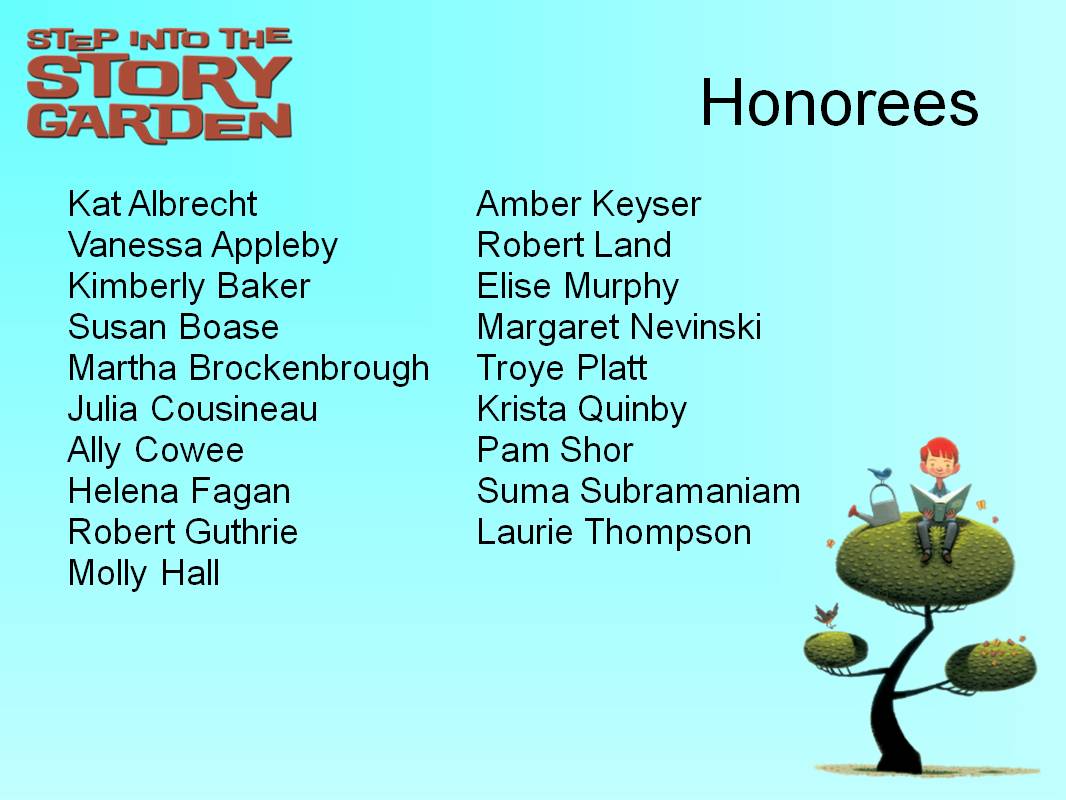
    My man­u­script for ONE IS ENOUGH, a pic­ture-book biog­ra­phy about Emmanuel Ofo­su Yeboah, was one of those nom­i­nat­ed for the SCBWI West­ern Wash­ing­ton 2010 Out­stand­ing Work-in-Progress awards! Here’s the offi­cial slide:

    This award is giv­en by the fac­ul­ty man­u­script con­sul­tants, who select their favorite manuscripts–those they feel show the most promise of being even­tu­al­ly published–for the hon­or. I am espe­cial­ly tick­led because my con­sul­ta­tion was with an edi­tor I real­ly like per­son­al­ly who works for a pub­lish­ing imprint whose list I would be incred­i­bly hon­ored to be a mem­ber of. Bet­ter yet, her revi­sion notes make per­fect sense to me. Of course, I still have to find a way to imple­ment them.
    Con­grat­u­la­tions to all of the hon­orees! Now let’s get back to our key­boards, use what we’ve learned to pol­ish those man­u­scripts until they shine, and then sum­mon the courage to send them out into the world. I’ll be keep­ing my fin­gers crossed!

    SCBWI conferences: so many kinds of awesome

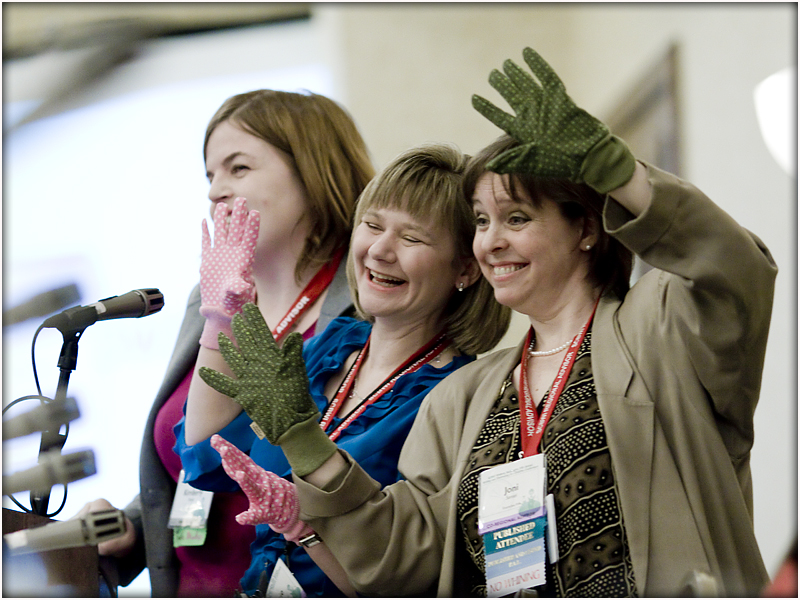
    I’m final­ly start­ing to be able to come down from the high that was last week­end’s SCBWI West­ern Wash­ing­ton’s Writ­ing and Illus­trat­ing for Chil­dren con­fer­ence. After an extend­ed peri­od of not enough sleep, too much forced extro­ver­sion, and total detail over­whelm, I expect­ed to be exhaust­ed, but instead I was com­plete­ly ener­gized. It was so many kinds of awe­some for me. I actu­al­ly broke into tears dri­ving home (the good kind, to be sure), and I’ve been walk­ing around with a sil­ly grin on my face ever since.

    First of all, just being in the same room with that many peo­ple who care about the same thing I do is a gift. I’ve felt that at every writer’s con­fer­ence I’ve ever been to, and that in itself is rea­son enough to go. As a recov­er­ing pleas­er, I guess I’m still a total suck­er for validation.
    More than that, though, was the shift in my own real­i­ty. I had three  goals for this conference:

    1. Try to relax and enjoy the moment. I have a strong per­fec­tion­ist streak and can be a total con­trol freak some­times, but this year I was able to (most­ly) just let go and make the best of it.
    2. Con­nect with peo­ple rather than their roles. I have always felt self-con­scious around the faculty—those gate­keep­ers and suc­cess sto­ries whom I so admire and respect—but this year I felt like I could’ve brought all of them home to my messy house for beer and burg­ers (prob­a­bly more of a tes­ta­ment to their humil­i­ty and grace than any per­son­al growth on my part!).
    3. Get more com­fort­able speak­ing to a crowd. I have always been ter­ri­fied of pub­lic speak­ing, but this year it was not only easy, it was actu­al­ly fun!

    I’ve wished and worked for these qual­i­ties all my life, and they final­ly chose to man­i­fest them­selves last week­end. I feel like Lai­ni Taylor’s Mag­pie Wind­witch, stuff­ing my most nox­ious demons into a fine glass bot­tle and pound­ing the cork in tight—banishing them to dark­ness where they can no longer exer­cise their evil powers.
    So, the trick now is to go back to the soli­tary work of writ­ing and revis­ing with­out the task list spread­sheet, inex­orable dead­line, or gold­en “boss” pin. I can’t del­e­gate any­thing away to my more com­pe­tent friends, no one will be stop­ping me in the hall to thank me for my efforts, and there will be no stand­ing ova­tion when it’s done. But I still have more goals to achieve (and more demons to ban­ish), so it’s back to work I go with a renewed sense of con­fi­dence and optimism.
    How about you: did you have pre-con­fer­ence goals, do you feel like you achieved them, and what’s up next on your to-do list?

    Interview with Michael Bourret, agent

    Michael Bour­ret is an agent with Dys­tel and Goderich, and recent­ly opened their brand-new West Coast office. I’ve heard Michael speak at a few of the nation­al SCBWI con­fer­ences, and it’s always a plea­sure. Don’t miss him at the SCBWI West­ern Wash­ing­ton con­fer­ence this weekend!

    L: Wel­come, Michael! Thanks so much for tak­ing the time to answer some ques­tions for me! Your var­i­ous bios and mar­ket list­ings say you accept all kinds of non­fic­tion, and I know you rep­re­sent adult non­fic­tion, but I don’t see any non­fic­tion for kids among your titles. Why is that? Please give us some insight on the juve­nile non­fic­tion mar­ket from an agent’s perspective.
    M: Thanks for hav­ing me, Lau­rie! And I’m excit­ed that you’re ask­ing about juve­nile non­fic­tion, and I’ll be real­ly hon­est: I don’t know much about it. It isn’t a cat­e­go­ry that I’ve pur­sued, aside from the amaz­ing pic­ture books of Anne Rockwell’s. I think that juve­nile non­fic­tion has most­ly been left to the aca­d­e­m­ic pub­lish­ers, in part because it isn’t as glam­orous as nov­els. But that may well be chang­ing, as is the very def­i­n­i­tion of cat­e­go­ry. I’m see­ing a lot more inno­va­tion and a new approach, includ­ing more mem­oir and oth­er nar­ra­tive nonfiction.
    L: Sev­er­al children’s non­fic­tion titles received quite a lot of atten­tion this year, espe­cial­ly Phillip Hoose’s CLAUDETTE COLVIN and Deb­o­rah Heiligman’s CHARLES AND EMMA. Do you think this will have any effect on the market?
    M: Any com­mer­cial suc­cess will have an effect on the mar­ket, and the crit­i­cal and com­mer­cial response to both of these books cer­tain­ly got my atten­tion. I’m not sure we’ll see a flood of non­fic­tion, but I do think we’ll see some smart books com­ing from major pub­lish­ers bet­ter known for their fiction.
    L: You don’t rep­re­sent pic­ture books, either—is that a per­son­al pref­er­ence, a mat­ter of indus­try knowl­edge and exper­tise, or a pure­ly finan­cial deci­sion  (or one of the oth­er rea­sons fel­low agent Michael Stearns blogged about here)?
    M: I do rep­re­sent some pic­ture books, actu­al­ly, but it’s not an area in which I’m look­ing to grown. The mar­ket is dif­fi­cult, espe­cial­ly for writ­ers, and since they’re the ones I rep­re­sent, it just doesn’t make sense for me to con­tin­ue look­ing for new clients.
    L: Is there any­thing you wish would show up your query pile that just hasn’t been there (be care­ful what you wish for!)?
    M: As I said in anoth­er inter­view recent­ly, with how many queries I get, it’s hard to say that there’s any­thing I haven’t seen! I’d rather not see books that chase trends, but that said, I love to see how peo­ple can approach well-worn ideas in a new way. I recent­ly signed up a nov­el based on a Poe sto­ry that I’m very excit­ed about, and I’d love to see more dark, psy­cho­log­i­cal thrillers. Some­thing that makes my skin crawl would be great!
    L: Tell us about your agent­ing style: Are you very edi­to­r­i­al? Phone or email? Hands-on through­out the whole process or mitts off until the final product?
    M: All agents have to be edi­to­r­i­al, but I’m not some­one who’s going to line edit a man­u­script. It’s just not where my skills lie. I do love to devel­op ideas with authors—helping them to turn a vague notion into some­thing that sup­ports a book-length nar­ra­tive. I’m more of a phone than email per­son, but I spend much more time on email! I wish peo­ple uti­lized the phone more; a con­ver­sa­tion has a cer­tain give-and-take that can help get to the point more quick­ly. I’m pret­ty hands on, and as I say to new clients, I like to know every­thing. That way I can antic­i­pate and pre­empt issues they may not even see arising.
    L: What aspects do you like most about being an agent? Least? Pet peeves (please don’t say blog inter­views, please don’t say blog interviews…)?
    M: I like that every day is dif­fer­ent. I like pitch­ing to edi­tors, I like dis­cussing ideas with clients, I love find­ing new voic­es. I love build­ing rela­tion­ships and match­ing authors and edi­tors. I like dis­cussing big-pic­ture ideas with my col­leagues, both in-house at DGLM and with the pub­lish­ing world at large on Twit­ter and through our blog. It’s hard to say that I don’t like a part of my job, but I don’t like how long things take. I’m real­ly impa­tient. I don’t have any major pub­lish­ing pet peeves, but I do wish we could all be more kind and respect­ful. It’s a chal­leng­ing busi­ness, and emo­tions run high, but we need to remem­ber that we’re all in it together.
    L: Besides the man­u­script itself, what oth­er fac­tors do you con­sid­er when decid­ing whether or not to offer rep­re­sen­ta­tion (plat­form, online pres­ence, pro­duc­tiv­i­ty, spe­cial­iza­tion, rec­om­men­da­tions, affil­i­a­tions, etc.)?
    M: The man­u­script is what mat­ters. If that doesn’t knock my socks off, noth­ing else mat­ters. In a query, how­ev­er, men­tion­ing a large plat­form, and award win, or even mem­ber­ship in rep­utable orga­ni­za­tions like SCBWI will make me pay more atten­tion. But then it comes back to the man­u­script again. It’s got to be great.
    L: Besides care­ful­ly read­ing mar­ket guides, surf­ing the web and send­ing tar­get­ed queries, what can we authors do to ensure a good fit, both when sub­mit­ting and when con­sid­er­ing an offer of representation?
    M: If you’re doing your home­work and research in advance, the only oth­er thing you need to do is inter­view the agent. It’s impor­tant for both writer and agent to chat and make sure that they get along and can have a con­ver­sa­tion. If you’re afraid of your agent, the rela­tion­ship isn’t going to work. If you don’t feel like your agent is enthu­si­as­tic about your sub­mis­sion, the rela­tion­ship won’t work. I tell peo­ple all the time that they should wait for a good match and not just take the first offer. It’s hard to do, I know, but I think the advice is sound.
    L: I think authors put so much time and effort into find­ing an agent, that then inter­view­ing an inter­est­ed agent feels a bit intim­i­dat­ing. What kinds of ques­tions do you think authors should ask to deter­mine if an agent will be a good match?
    M: Authors should ask agents about the edi­to­r­i­al vision for the book, how they work day-to-day and how the sub­mis­sion will work, how often they can expect to be in touch, and then they should dis­cuss the future—what do both the author and agent see for the author’s career down the line? It’s impor­tant that you’re on the same page as your agent about these things.
    L: Do you have any upcom­ing client titles you’d like to high­light for us?

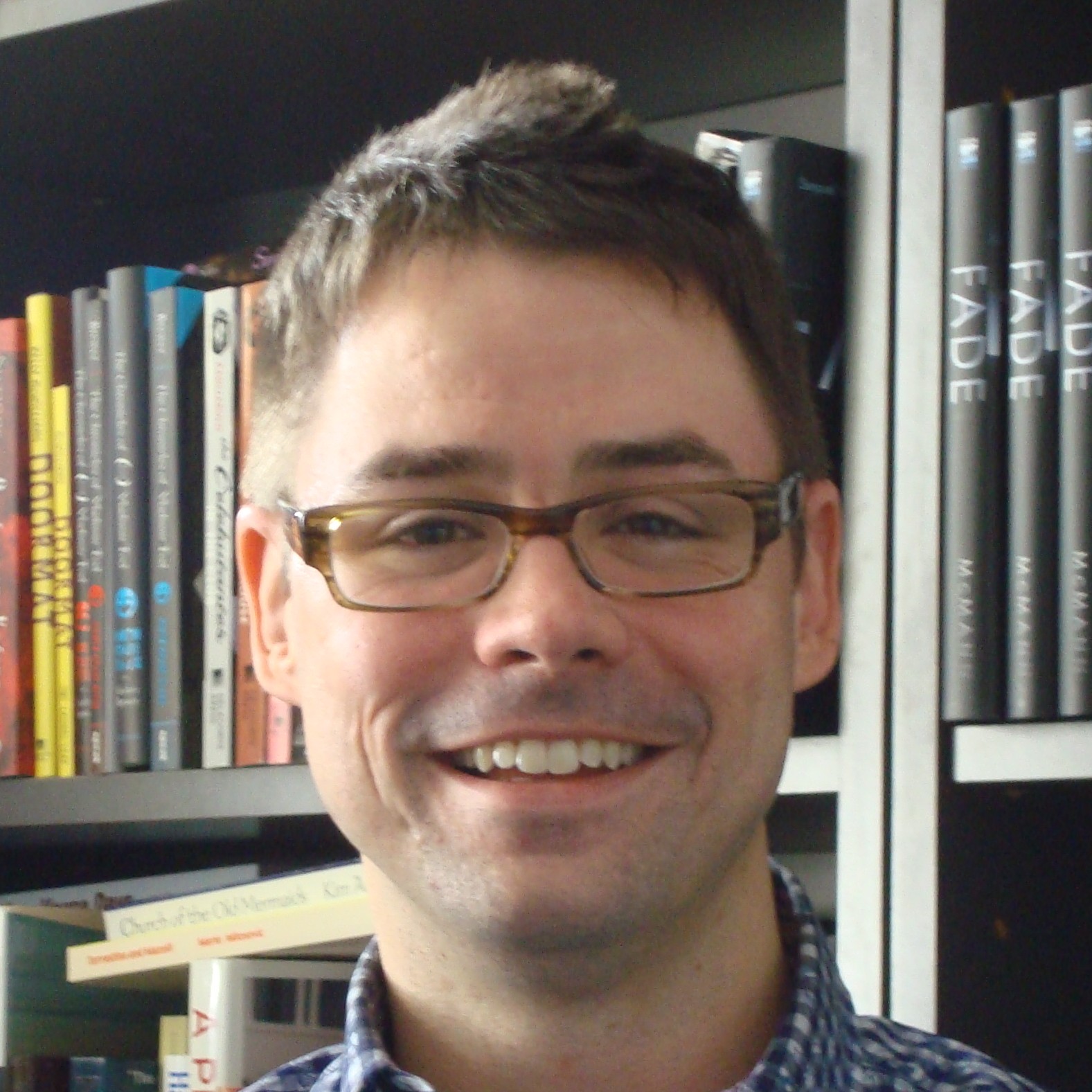
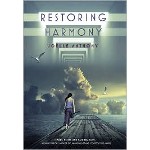
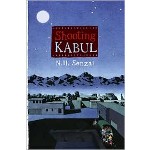
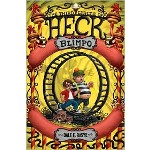
    The past cou­ple of months have seen the excit­ing releas­es of Eleventh Grade Burns by Heather Brew­er and Gone by Lisa McMann, the release of which got both series onto the New York Times list. The com­ing months will see the release of Restor­ing Har­mo­ny by Joëlle Antho­ny and Shoot­ing Kab­ul by N.H. Sen­zai, two debuts that I’m real­ly proud of. In addi­tion, the fan­tas­tic Suzanne Selfors’s fifth book Smells Like Dog is also out short­ly, along with Dale Basye’s third book in the twist­ed “Heck” series, Blimpo. And that’s just through May!

    L: Is there any­thing else you wished that I had asked, but didn’t? Feel free to write your own ques­tion here. =)
    M: This has been a ter­rif­ic and thor­ough inter­view. I’ve got noth­ing to add, but thanks so much for think­ing of me!
    L: Thank YOU, Michael! I real­ly appre­ci­ate the time and thought you put into this, and we’re look­ing for­ward to hear­ing more at the con­fer­ence this weekend. 

    NEWSLETTER
    SIGN-UP